Explosion proof proximity sensors are critical components in hazardous industrial environments where flammable gases, vapors, or combustible dusts are present. Their performance directly impacts safety, operational efficiency, and regulatory compliance. Unlike standard sensors, these devices are engineered to prevent ignition of surrounding atmospheres by containing any potential spark or thermal effect within robust enclosures.
The core performance metrics of explosion proof proximity sensors begin with sensing capability. This includes sensing distance, repeat accuracy, and response frequency. Sensing distance, often specified as the nominal range, must remain stable despite temperature fluctuations or electrical noise common in industrial settings. For instance, a sensor rated for 10mm should consistently detect targets at that distance without false triggers or failures. Repeat accuracy, typically within microns, ensures reliable operation in automated processes. Response frequency, measured in Hertz, determines how quickly the sensor can detect objects passing by, which is vital for high-speed production lines.
Another vital aspect is environmental durability. These sensors must withstand extreme conditions, including temperature ranges from -40°C to 85°C or higher, high humidity, and exposure to chemicals or oils. Housing materials, such as stainless steel or nickel-plated brass, provide corrosion resistance and mechanical strength. Ingress Protection (IP) ratings, like IP67 or IP69K, indicate resistance to dust and water, ensuring functionality in washdown areas or outdoor installations.
Electrical performance is equally important. Operating voltage ranges, current consumption, and output types (e.g., PNP/NPN, analog, or IO-Link) affect integration with control systems. Many modern sensors feature short-circuit and reverse polarity protection to prevent damage from wiring errors. Additionally, electromagnetic compatibility (EMC) ensures the sensor operates without interference from nearby motors or frequency drives.
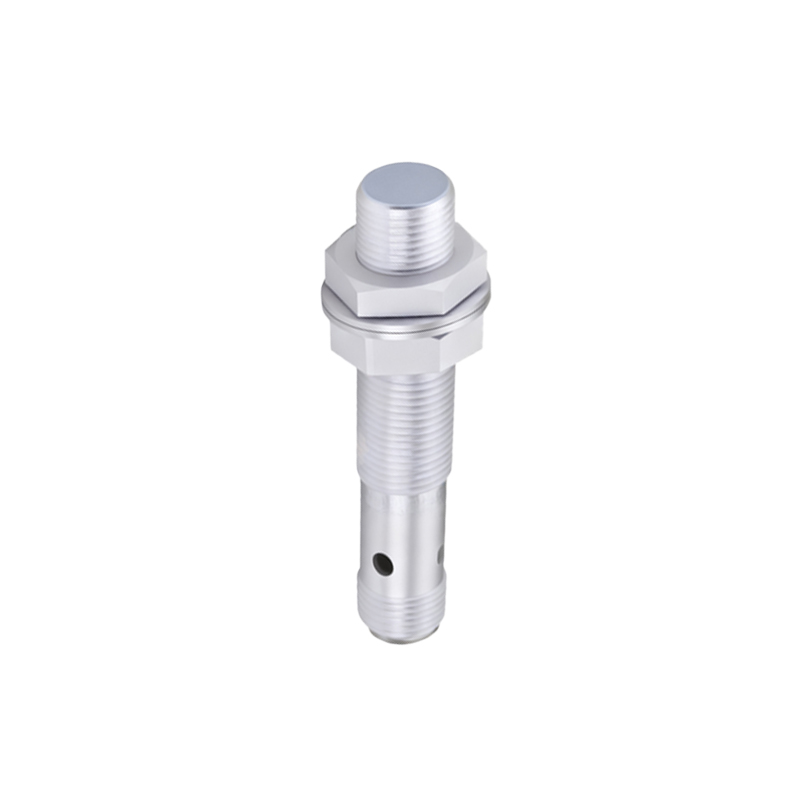
Certifications define the safety performance of explosion proof sensors. Standards such as ATEX, IECEx, and UL/CSA classify devices based on the type of hazardous area (Zone 0/1/2 for gases, Zone 20/21/22 for dust). A sensor marked "Ex d IIC T6" indicates it is flameproof (enclosure type "d") suitable for Group IIC gases (like hydrogen) with a maximum surface temperature of 85°C (T6 rating). Selecting the wrong certification can lead to catastrophic failures, so matching the sensor to the specific hazardous area classification is non-negotiable.
Long-term reliability hinges on design features like welded housings, tempered glass windows, and self-checking diagnostics. Some sensors include LED indicators for status monitoring or teach-in functions for easy calibration. Maintenance factors, such as mean time between failures (MTBF) and availability of spare parts, also influence overall performance by reducing downtime.
In practice, performance evaluation should consider the application. For example, in oil refineries, sensors must detect valves or pistons amid vibrations and oily surfaces. In grain silos, they need to ignore dust buildup while sensing level changes. Testing under simulated conditions—such as temperature cycling, shock, and vibration tests—validates real-world performance.
Advancements in technology are enhancing sensor capabilities. Innovations like M12/M8 connectors with locking mechanisms improve installation reliability. Smart sensors with digital communication provide real-time data on health and diagnostics, enabling predictive maintenance. However, these features must not compromise the fundamental explosion proof integrity.
To optimize performance, regular inspection and calibration are recommended. Checking for physical damage, ensuring tight seals, and verifying output signals help maintain safety margins. Training personnel on proper handling and installation—like using correct torque on cable glands—prevents common issues that degrade performance.
Ultimately, the performance of an explosion proof proximity sensor is a balance of precision, durability, and safety. By understanding these factors, engineers can select sensors that not only meet regulatory demands but also enhance operational resilience in hazardous locations. Investing in high-performance sensors minimizes risks and supports continuous, safe production, making them indispensable in industries from chemical processing to mining.