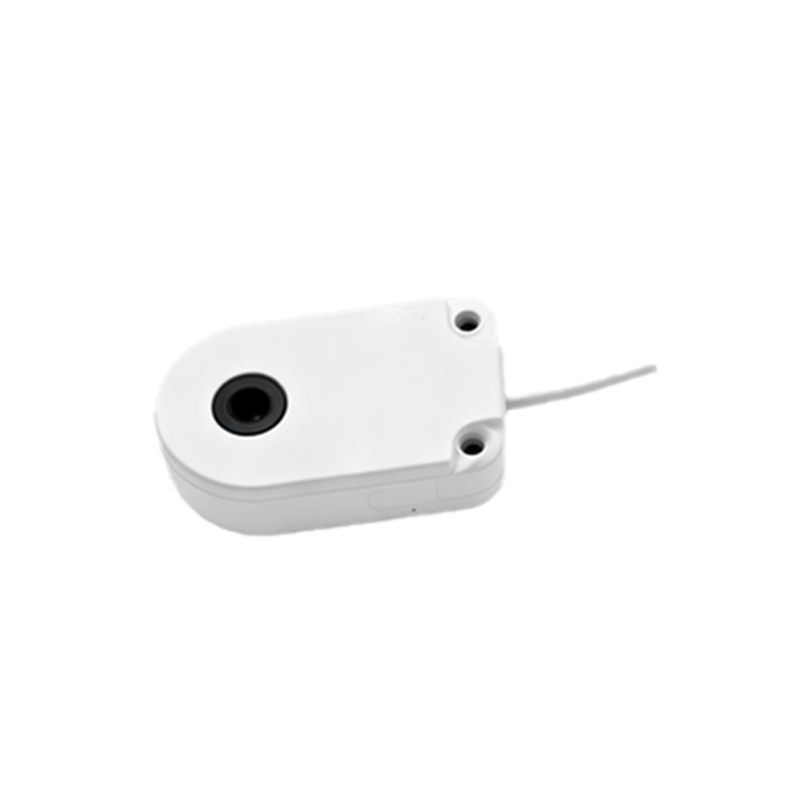
In the world of industrial automation and precision manufacturing, the ability to detect the presence, absence, or position of an object without physical contact is paramount. Among the various non-contact sensing technologies, inductive proximity sensors stand out for their reliability in harsh environments. A specific and highly effective variant of this technology is the FC ring-type inductive proximity sensor. This guide delves into the operational principles, key features, diverse applications, and selection criteria for these unique sensing devices.
At its core, an FC ring proximity sensor operates on the principle of electromagnetic induction. The sensor head is constructed in a ring or donut shape, creating a central aperture. Inside this ring, a coil is wound around a ferrite core. When an alternating current is applied to this coil, it generates a high-frequency oscillating electromagnetic field that projects through the aperture. When a conductive metal target—such as a bolt head, nut, or the end of a shaft—passes through this active field, eddy currents are induced on the surface of the target. These eddy currents draw energy from the oscillator circuit within the sensor. The sensor's integrated electronics detect this energy loss and trigger a solid-state switching output, signaling the detection of the target. The "FC" designation typically refers to a form factor or a specific product series from various manufacturers, characterized by this ring-shaped design.
The defining characteristic of the ring-type sensor is its through-hole design. Unlike standard cylindrical sensors that detect targets approaching their face, the ring sensor detects objects passing through its center. This allows for the non-contact verification of components on a production line, such as checking for the presence of a washer on a bolt, counting small metal parts, or confirming the correct orientation of a machined component. The sensing field is concentrated within the aperture, providing precise and localized detection while minimizing interference from surrounding metal structures.

Key technical features make FC ring sensors indispensable. First is their exceptional switching frequency. Because the target passes directly through the sensing field, detection is instantaneous, allowing these sensors to reliably count objects at very high speeds, often exceeding several thousand items per minute. Second, they offer remarkable repeat accuracy, meaning the sensor triggers at the exact same position of the target every cycle, which is critical for precision assembly and positioning tasks. Furthermore, they are inherently self-contained and rugged. With no moving mechanical parts, they are immune to wear and tear from repeated operation. The housing is typically made of robust, chemically-resistant plastics or metals like nickel-plated brass or stainless steel, offering high degrees of protection (e.g., IP67) against dust, coolants, and oils common in industrial settings.
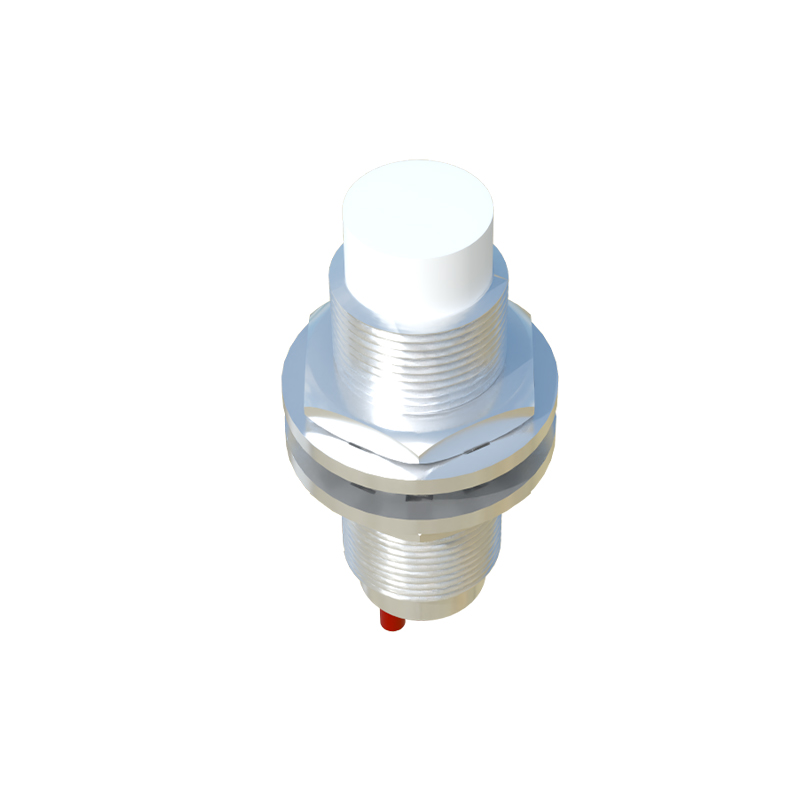
The application spectrum for FC ring proximity sensors is broad. In automotive assembly, they verify the presence of piston pins, valve springs, or bearings. In fastener and small parts manufacturing, they are used for 100% inspection, ensuring every package contains the correct number of screws or nuts. In electronics, they detect the leads on integrated circuit (IC) chips or the metallic caps on components. They are also crucial in bottling and canning lines to confirm the presence of metal lids or caps before sealing. Another sophisticated use is in thread detection, where the sensor can distinguish between a threaded and an unthreaded hole based on the amount of metal mass passing through its aperture.
Selecting the right FC ring sensor requires careful consideration of several parameters. The internal diameter (the size of the aperture) is the most critical dimension; it must be large enough to allow the target to pass through without collision but small enough to maintain a strong and focused magnetic field. The sensing distance, often minimal (typically 1-3mm from the inner wall of the ring), must be suitable for the application. The target material also matters; ferrous metals like steel and iron are detected at the rated sensing distance, while non-ferrous metals like aluminum, copper, or brass have a reduced effective range. The sensor's output type (PNP/NPN, NO/NC) must be compatible with the connected controller (PLC). Finally, environmental factors like temperature extremes, potential for physical impact, and exposure to washdown chemicals dictate the required housing material and ingress protection rating.
In summary, FC ring-type inductive proximity sensors are specialized tools for high-speed, non-contact detection of metallic objects in pass-through applications. Their through-hole design, combined with the robustness of inductive technology, provides a reliable solution for quality control, counting, and positioning tasks where accuracy and durability are non-negotiable. By understanding their operating principle and key specifications, engineers and technicians can effectively integrate these sensors to enhance automation efficiency and product quality on the factory floor.