In the realm of industrial automation, robotics, and smart systems, precise and reliable distance measurement is paramount. Among the various technologies available, laser proximity sensors have emerged as a cornerstone solution, offering unparalleled accuracy and versatility. Unlike traditional mechanical or ultrasonic sensors, these devices utilize the properties of light to detect the presence, absence, or position of an object without physical contact. Their operation hinges on a simple yet profound principle: emitting a focused laser beam towards a target and analyzing the reflected light.
The core technology typically involves one of two primary methods: time-of-flight (ToF) or triangulation. In the time-of-flight method, the sensor calculates distance by measuring the time interval between the emission of a laser pulse and the reception of its reflection. This method is highly effective for longer ranges, often spanning several meters, and is commonly used in applications like vehicle detection and large-scale logistics. The triangulation method, on the other hand, is preferred for high-precision, short-range measurements. Here, the sensor projects a laser spot onto the target. The position of the reflected spot on a dedicated receiver (like a CCD or PSD array) changes with the target's distance. By calculating this geometric shift, the sensor determines the exact distance with micron-level resolution, making it ideal for precision assembly and inspection tasks.
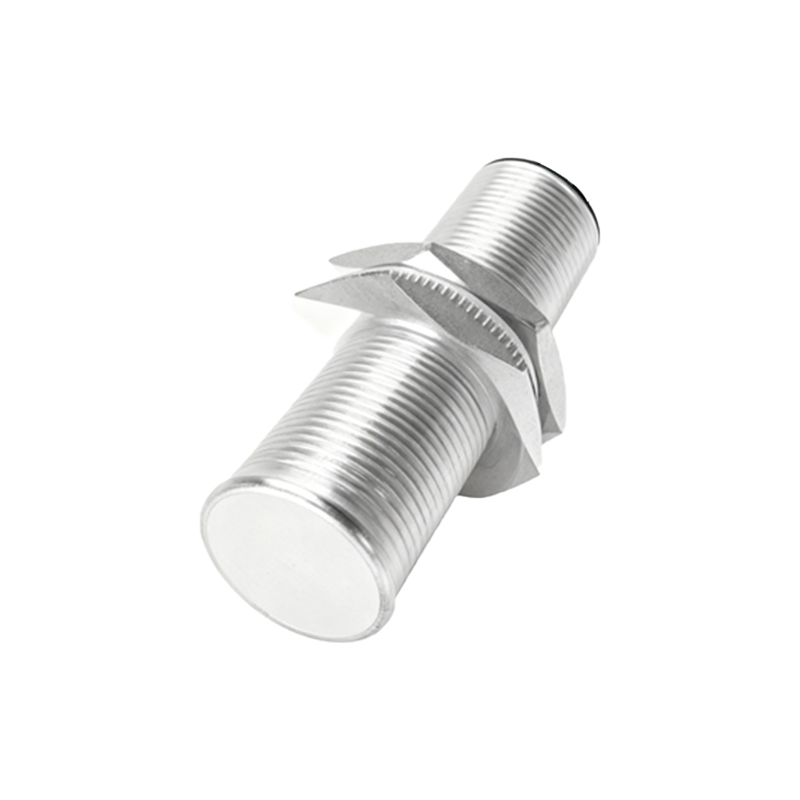
The advantages of laser proximity sensors are numerous and significant. Their primary benefit is exceptional accuracy and repeatability, often unaffected by the target's surface color or material, although highly reflective or absorbent surfaces can pose challenges. They provide a very small, focused spot size, allowing for the detection of minute objects or precise edges. Furthermore, they boast fast response times, enabling their use in high-speed production lines. Their non-contact nature eliminates wear and tear, ensuring long-term reliability and reducing maintenance costs.
These capabilities translate into a vast array of practical applications across diverse industries. In manufacturing, they are indispensable for precise positioning of robotic arms, controlling assembly tolerances, and monitoring fill levels in containers. The automotive industry relies on them for part verification, weld seam tracking, and gap measurement. In electronics, they ensure the precise placement of components on circuit boards. Beyond factory floors, they are integral to autonomous mobile robots (AMRs) for navigation and obstacle avoidance, in logistics for parcel dimensioning, and even in consumer devices like smartphones for autofocus and gesture recognition.
Selecting the appropriate laser proximity sensor requires careful consideration of several key parameters. The required measuring range is the first criterion; a sensor must be chosen whose specified range comfortably encompasses the application's minimum and maximum distances. Resolution, or the smallest detectable distance change, is critical for precision tasks. The response time must match the process speed. Environmental factors cannot be ignored: sensors rated with appropriate Ingress Protection (IP) codes are necessary for dusty, humid, or washdown environments. The type of output (analog voltage/current, digital switch, or serial data like IO-Link) must be compatible with the control system. Finally, the mounting conditions and available space will influence the choice of sensor housing and beam shape.
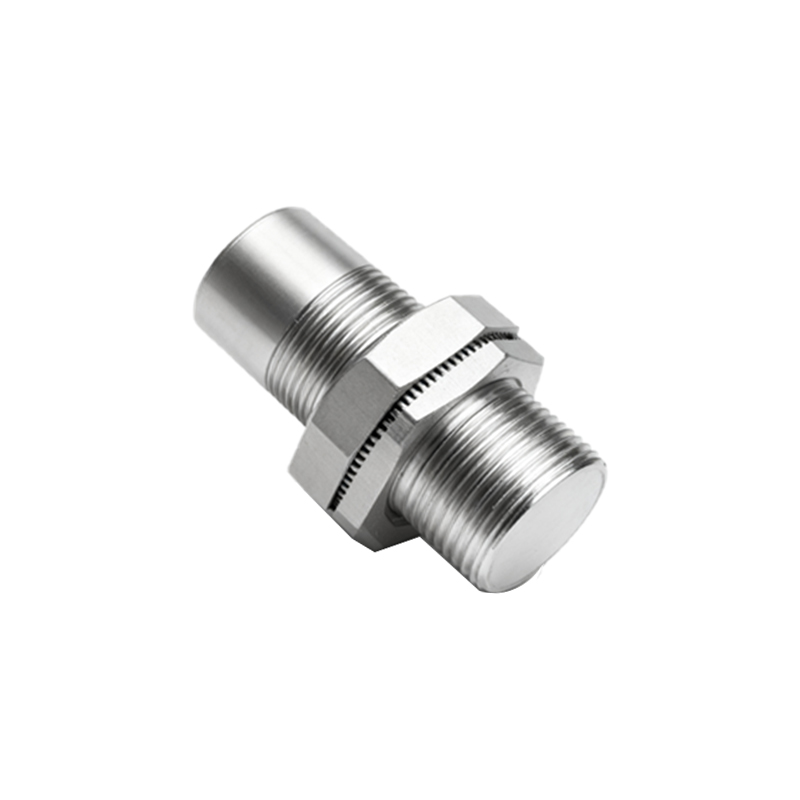
While laser sensors are powerful, they are not a universal solution. For instance, in environments with heavy airborne dust, smoke, or steam, the laser beam can scatter, leading to measurement errors. For detecting transparent objects like glass or clear plastic, specialized sensors with background suppression or contrast-based detection might be necessary. It is always prudent to consult with application engineers and, if possible, test the sensor with the actual target material under real operating conditions.
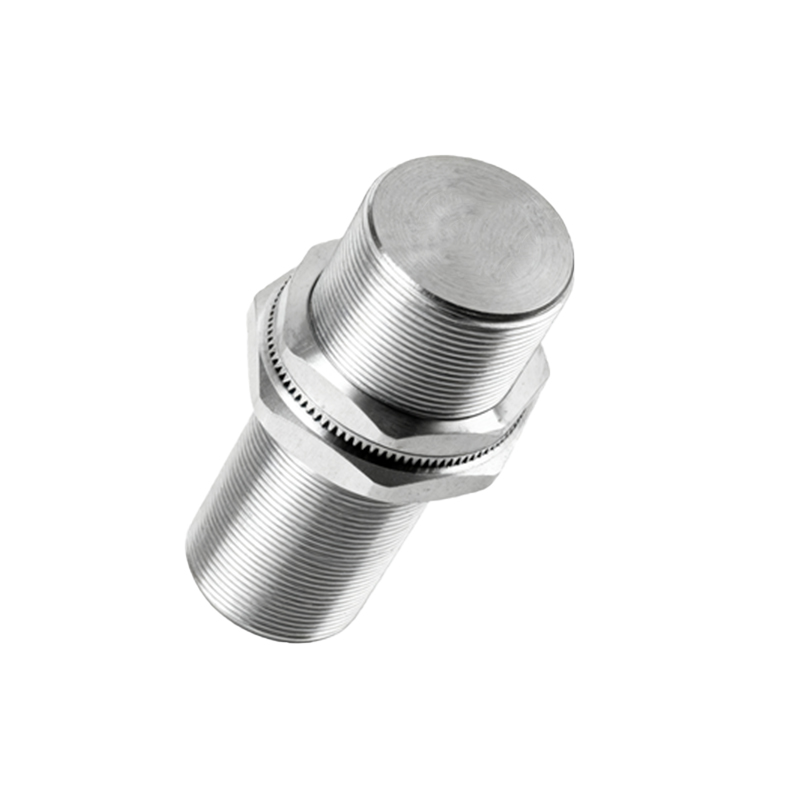
Looking ahead, the evolution of laser proximity sensors continues. Integration with Industrial Internet of Things (IIoT) platforms is becoming standard, providing not just measurement data but also diagnostic information for predictive maintenance. Miniaturization is pushing the boundaries of where these sensors can be installed. Furthermore, the development of more robust and cost-effective laser diodes is making this high-precision technology accessible for a broader range of applications. As industries strive for greater efficiency, quality, and autonomy, the laser proximity sensor will undoubtedly remain a critical enabler, its focused beam illuminating the path toward smarter and more precise automation.