In the world of automation, robotics, and smart devices, the ability to detect the presence or absence of an object without physical contact is fundamental. This capability is provided by proximity sensors, a critical category of electronic components that have become ubiquitous in modern technology. These devices work on the principle of emitting a field or beam of electromagnetic radiation and looking for changes in the field or return signal. The object being detected is often referred to as the sensor's "target.
The primary function of a proximity sensor is to determine whether an object is within a specified distance, known as the sensing range or nominal range. Unlike limit switches, which require physical contact, proximity sensors offer non-contact detection, leading to higher reliability, longer operational life, and the ability to sense delicate or fast-moving objects. The output is typically a simple digital on/off signal, making them easy to interface with programmable logic controllers (PLCs), microcontrollers, and other industrial control systems.
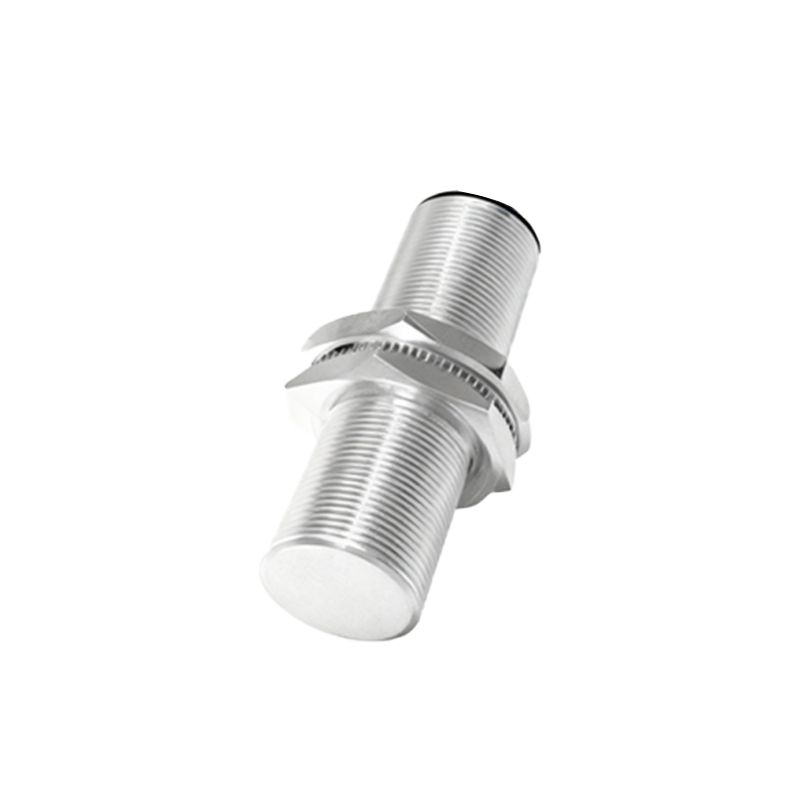
Several distinct technologies underpin the operation of proximity sensors, each with its own strengths, limitations, and ideal applications.
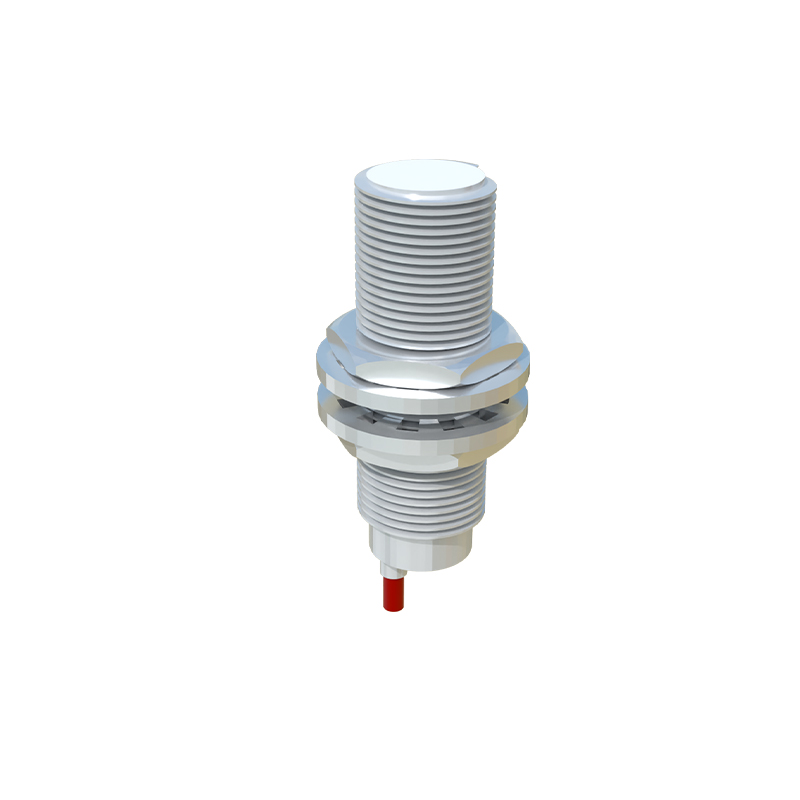
Inductive Proximity Sensors are among the most common types, especially in industrial manufacturing. They generate an oscillating electromagnetic field. When a metallic target enters this field, it induces eddy currents within the target, which causes a change in the oscillation amplitude. This change is detected by the sensor's circuitry, triggering an output switch. Inductive sensors are robust, resistant to environmental factors like dust and oil, and are excellent for detecting metals. However, they cannot detect non-metallic objects.
Capacitive Proximity Sensors operate by generating an electrostatic field. They can detect both metallic and non-metallic materials, including liquids, powders, plastics, and wood. The sensor forms one plate of a capacitor, with the target acting as the other plate. As the target approaches, the capacitance increases, and once it reaches a threshold, the sensor triggers. This makes them versatile for applications like liquid level detection, material handling, and presence sensing of non-metals, though they can be more susceptible to environmental humidity and contamination.
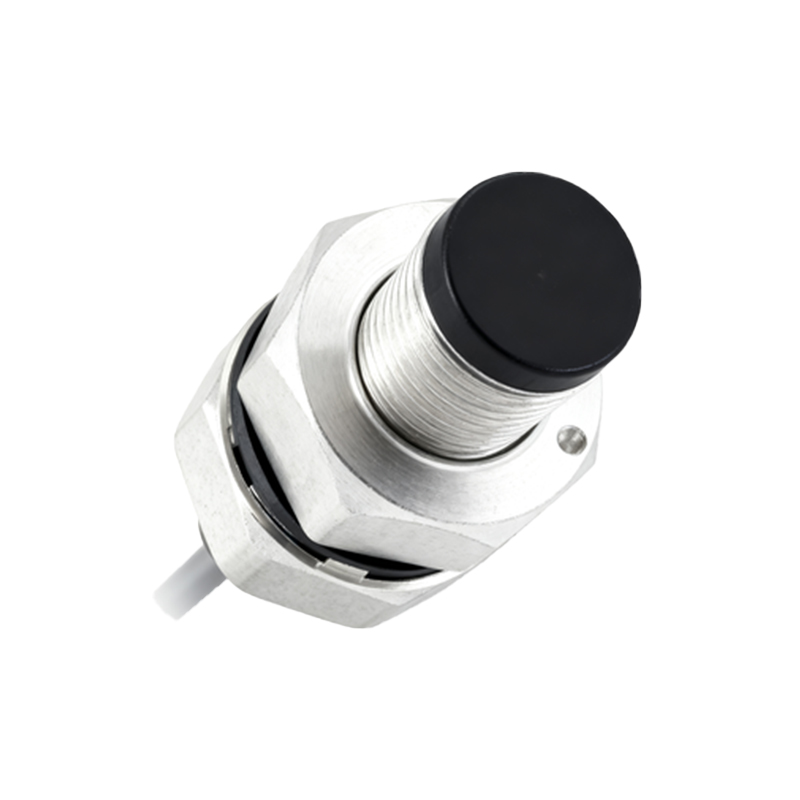
Photoelectric Sensors, or photo-eyes, use light to detect objects. They consist of a light emitter (usually an LED) and a receiver. There are three main configurations: through-beam (separate emitter and receiver), retro-reflective (emitter and receiver in one unit with a reflector), and diffuse (emitter and receiver in one unit, sensing light reflected directly from the target). They offer very long sensing ranges and can detect virtually any material, but their performance can be affected by color, transparency, and ambient light conditions.
Ultrasonic Proximity Sensors measure the time it takes for a high-frequency sound wave to bounce back from a target. They are highly effective for detecting objects regardless of material, color, or transparency. They excel in applications involving distance measurement, level control of liquids and bulk solids, and detecting clear objects like glass. Their performance can be influenced by temperature, air turbulence, and the target's sound-absorbing properties.
Magnetic Proximity Sensors, often called reed switches or Hall-effect sensors, detect the presence of a permanent magnet. They are simple, low-cost, and used in applications like door/window security sensors, speed sensing, and position detection in harsh environments where other sensors might fail.
The applications of proximity sensors are vast and cross-industrial. In automotive assembly lines, inductive sensors count parts and verify robot positions. In food and beverage processing, capacitive sensors monitor liquid levels in tanks. Photoelectric sensors are the backbone of packaging machinery, counting products on a conveyor. Ultrasonic sensors manage inventory in automated warehouses by detecting pallet presence. In consumer electronics, capacitive sensors enable touchless faucets and the screen-off function during phone calls.
Selecting the right proximity sensor requires careful consideration of several factors. The target material is paramount: metal detection calls for inductive sensors, while non-metals require capacitive, photoelectric, or ultrasonic types. The required sensing distance must be within the sensor's specified nominal range, with a safety margin. Environmental conditions such as temperature extremes, presence of washdown chemicals, dust, or vibration dictate the needed housing material and ingress protection (IP) rating. The output type (NPN sinking, PNP sourcing, analog, or IO-Link) must be compatible with the control system. Finally, physical constraints like sensor size and mounting style (flush, non-flush, threaded barrel) are critical for integration.
In conclusion, proximity sensors are indispensable components that enable automation, safety, and efficiency across countless sectors. Understanding the core technologies—inductive, capacitive, photoelectric, ultrasonic, and magnetic—allows engineers and technicians to make informed decisions. By matching the sensor's characteristics to the specific demands of the target, environment, and application, one can ensure reliable, maintenance-free operation, forming the silent, unseen