Proximity sensors are indispensable components in modern automation and electronics. Among the various configurations, the 13 proximity sensor represents a specific category often utilized in industrial and consumer applications. This article delves into the fundamentals, types, and practical uses of these sensors, providing a comprehensive overview for engineers, technicians, and enthusiasts.
Proximity sensors are devices that detect the presence or absence of an object within a certain range without physical contact. They operate based on different principles, including electromagnetic fields, capacitance, and optical mechanisms. The "13" designation typically refers to a specific model series, form factor, or sensing distance, such as 13mm, which is a common range for many industrial sensors. These sensors are prized for their reliability, durability, and ability to function in harsh environments where mechanical switches might fail.
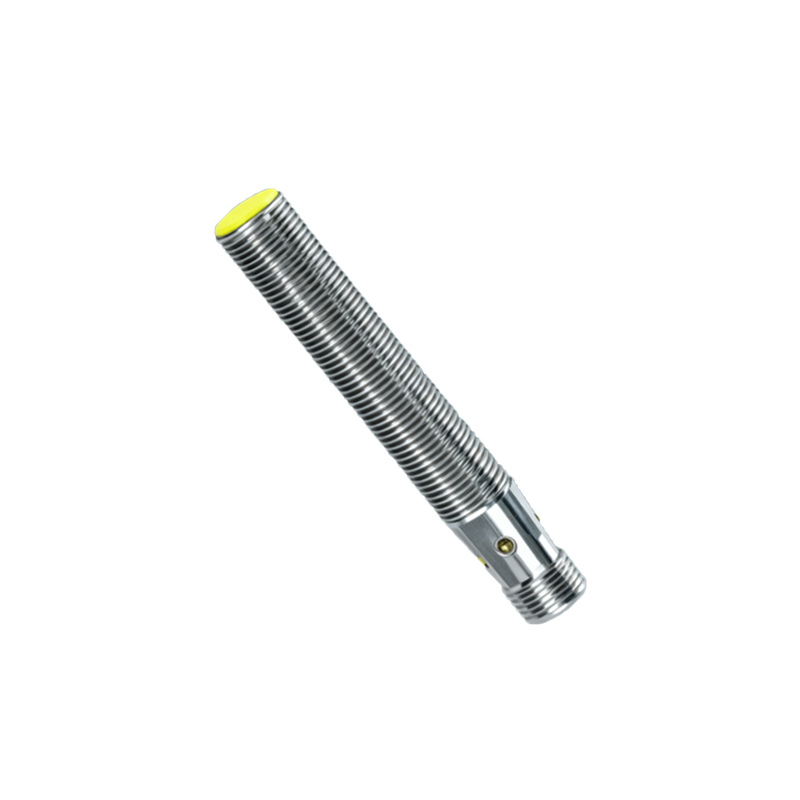
There are several primary types of proximity sensors, each suited to particular applications. Inductive proximity sensors are widely used for detecting metallic objects. They generate an electromagnetic field and sense changes caused by metallic targets. With a typical sensing range like 13mm, they are ideal for machinery automation, such as in conveyor systems or robotic arms, where precise metal part detection is crucial. Capacitive proximity sensors, on the other hand, can detect both metallic and non-metallic materials, including liquids and plastics. They work by measuring changes in capacitance and are often employed in level sensing or material handling. Ultrasonic sensors use sound waves to detect objects and are effective for longer ranges or transparent materials, though 13mm models are less common due to their short-range nature. Optical proximity sensors, including infrared variants, rely on light beams and are common in consumer electronics, such as smartphones, to disable touchscreens during calls.
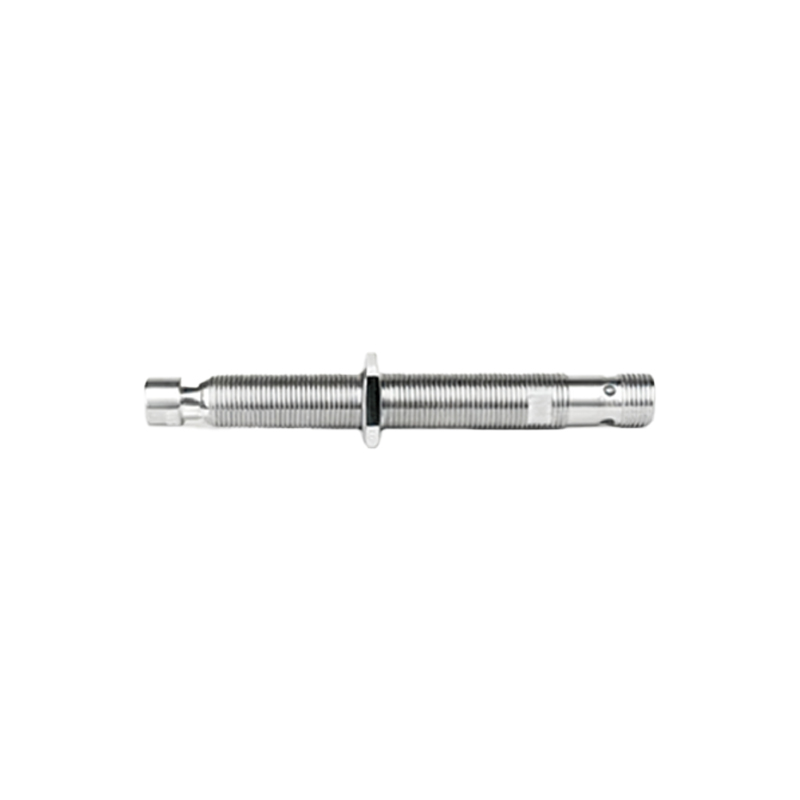
The applications of 13 proximity sensors are vast and varied. In industrial settings, they play a critical role in automation processes. For instance, on assembly lines, inductive sensors with a 13mm range can monitor the position of metal components, ensuring proper alignment and preventing jams. In automotive manufacturing, these sensors help in robotic welding and part inspection, enhancing efficiency and safety. Consumer electronics also benefit significantly. Many smartphones incorporate optical proximity sensors to conserve battery life and prevent accidental screen touches. Home appliances, like automatic faucets or garage door openers, often use capacitive or ultrasonic sensors for touchless operation. Additionally, in security systems, proximity sensors can detect intruders or unauthorized access, triggering alarms or notifications.
Selecting the right 13 proximity sensor requires careful consideration of several factors. First, determine the sensing distance needed; a 13mm range is suitable for close-range applications but may not work for larger gaps. Next, consider the target material. For metal detection, inductive sensors are optimal, while capacitive sensors handle diverse materials. Environmental conditions are also crucial. Sensors used in dusty, wet, or high-temperature areas should have appropriate ingress protection (IP) ratings, such as IP67, to ensure longevity. Output type is another key aspect; common outputs include NPN, PNP, or analog signals, which must match the control system's requirements. Finally, evaluate the mounting style—flush or non-flush—as it affects the sensing field and installation ease.
Installation and maintenance tips can enhance sensor performance. Always follow manufacturer guidelines for mounting and wiring to avoid interference or false triggers. Regular cleaning of the sensor face prevents debris buildup, which can reduce accuracy. For inductive sensors, ensure metallic objects in the vicinity do not cause unintended activation. Testing the sensor periodically with a target object helps verify its functionality. In case of issues, common troubleshooting steps include checking power supply, wiring connections, and environmental factors like vibration or electromagnetic noise.
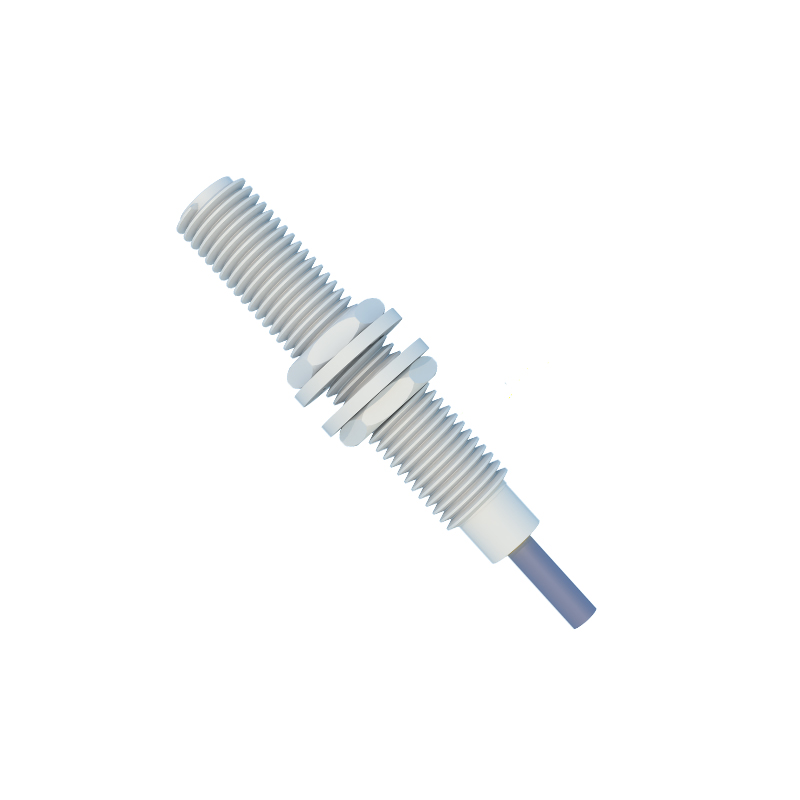
In summary, 13 proximity sensors are versatile tools that bridge the gap between physical objects and electronic control systems. Their non-contact nature, combined with robust designs, makes them essential in industries ranging from manufacturing to consumer tech. By understanding their types, applications, and selection criteria, users can leverage these sensors to improve automation, safety, and efficiency in various projects. As technology advances, we can expect further miniaturization and enhanced features, such as IoT connectivity, expanding their utility in smart systems and beyond.