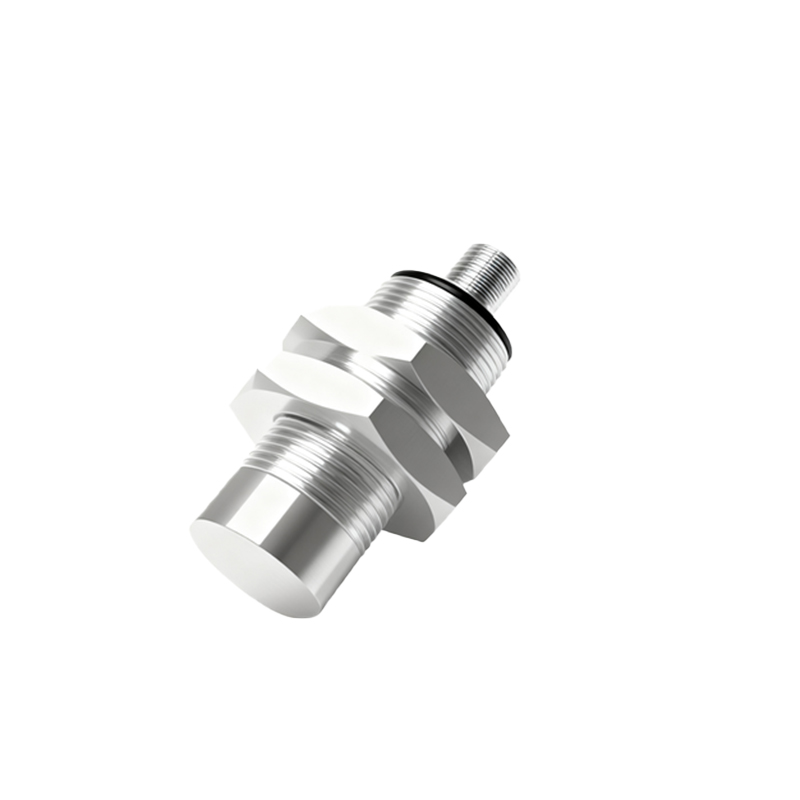
In industrial automation and electronic control systems, proximity switch sensors are fundamental components. Understanding their English terminology is crucial for engineers, technicians, and procurement specialists working with international standards, datasheets, and equipment. A proximity switch sensor, often simply called a proximity sensor or proximity switch, is a non-contact sensor that detects the presence or absence of an object within its sensing range without physical contact.
The core terminology revolves around the operating principle. The most common types are Inductive Proximity Sensors and Capacitive Proximity Sensors. An inductive proximity sensor generates an electromagnetic field and detects the eddy current losses caused by a metallic target entering this field. Its key specifications include Sensing Distance, typically rated for a standard target (like mild steel), and factors like Hysteresis (the difference between the switch-on and switch-off points). Common output types are NPN (sinking) and PNP (sourcing) transistor outputs, alongside traditional Normally Open (NO) or Normally Closed (NC) contact configurations. Terms like Shielded (flush-mountable) and Unshielded (non-flush mountable) describe the design of the sensing face and its installation implications.
Capacitive proximity sensors, on the other hand, can detect both metallic and non-metallic materials (plastics, wood, liquids) by sensing changes in capacitance. Terms like Sensitivity Adjustment are vital here, allowing the sensor to be tuned for different materials. Other specialized types include Ultrasonic Proximity Sensors, which measure the time-of-flight of sound waves, and Magnetic Proximity Sensors (Reed Switches), activated by a permanent magnet.
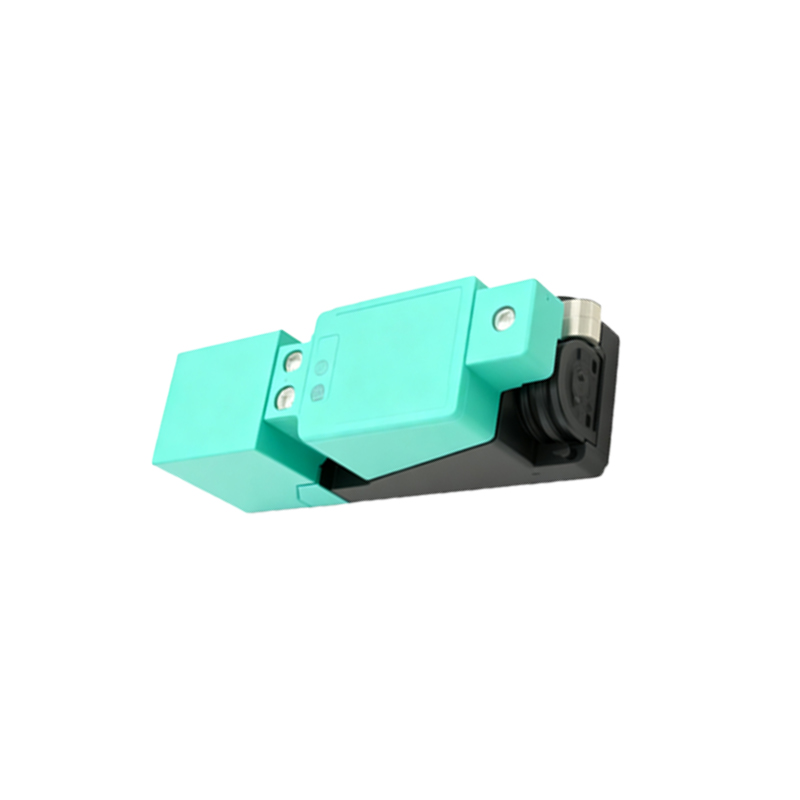
Key performance parameters are universally described in English. Repeat Accuracy refers to the sensor's consistency in detecting the same target position. Switching Frequency indicates how many on/off cycles per second the sensor can handle. Environmental ratings are critical: IP (Ingress Protection) Rating (e.g., IP67) defines protection against dust and water, while operating temperature ranges are specified for reliable performance. Terms like Short-Circuit Protection, Reverse Polarity Protection, and LED Status Indicator are common features listed in technical documents.
The application language is equally important. These sensors are deployed for Position Detection, End-of-Travel Limiting, Object Counting on conveyor lines, Level Detection in tanks or silos, and Speed Monitoring. In automated machinery, they provide precise feedback for control systems, often interfacing with PLCs (Programmable Logic Controllers). Correctly interpreting terms like "Target," "Actuator," "Output Signal," and "Supply Voltage" is essential for proper integration and troubleshooting.
Selecting the right sensor requires matching the terminology to the need. For detecting a metal gear tooth, an inductive sensor with a high switching frequency is specified. For monitoring the fill level of a plastic bottle, a capacitive sensor is the correct choice. Understanding abbreviations like DC (Direct Current), AC (Alternating Current), VDC (Volts DC), and mA (milliampere) is fundamental for electrical compatibility.
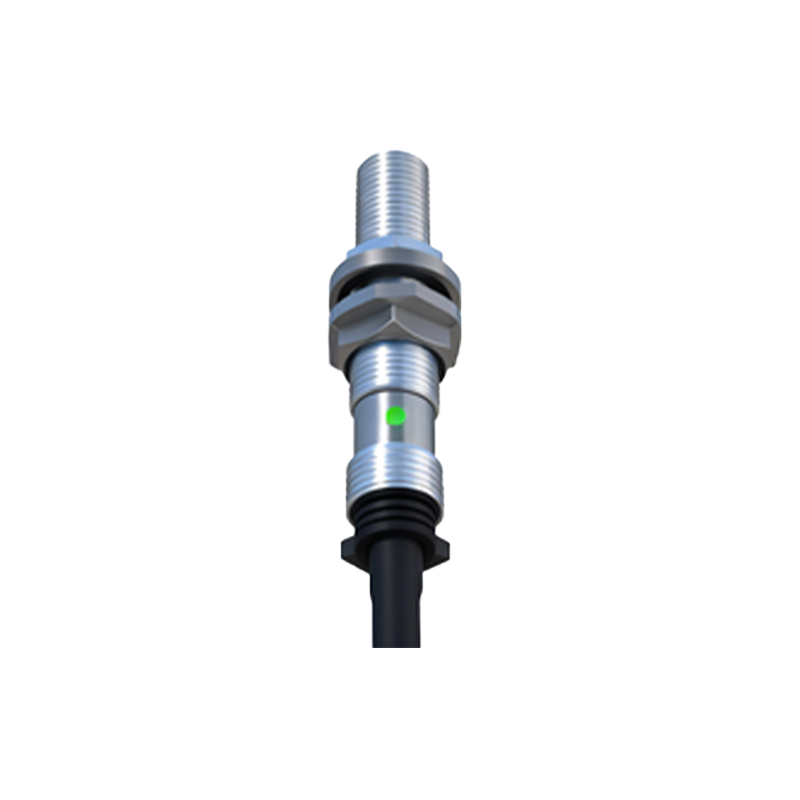
In global supply chains and technical communication, precise English terminology ensures clarity, reduces errors, and facilitates the correct implementation of these versatile devices. From datasheet specifications to installation manuals and maintenance guides, mastering this vocabulary is a key competency in modern industrial engineering and automation, enabling seamless integration and reliable operation across diverse applications and international projects.