Proximity sensors are indispensable components in modern industrial automation, robotics, and countless electronic devices. Their primary function is to detect the presence or absence of an object without physical contact, typically using electromagnetic fields, light, or sound. While factors like sensing distance, output type, and housing material are often prioritized, one critical specification frequently overlooked is the operating temperature range. This parameter is not a mere technical footnote; it is a fundamental determinant of a sensor's reliability, accuracy, and longevity in real-world environments.
The operating temperature range defines the ambient temperatures within which a proximity sensor is guaranteed to function according to its published specifications. This range is usually expressed as two values: a minimum and a maximum temperature (e.g., -25°C to +70°C). Exceeding these limits can lead to a cascade of performance issues and eventual failure. Understanding the implications of temperature on different sensor technologies is crucial for selection.
Inductive proximity sensors, which detect metallic objects, are common in manufacturing. Their core component is a coil that generates an oscillating electromagnetic field. Temperature extremes directly affect the coil's inductance and the performance of the oscillator circuit. At very low temperatures, materials contract, potentially altering the precise mechanical alignment within the sensor. The housing and seal materials can also become brittle, compromising ingress protection. At high temperatures, the opposite occurs: expansion can cause internal stress, and excessive heat can degrade electronic components, leading to signal drift, reduced sensing distance, or a complete shutdown. High temperatures may also cause the sensor to trigger falsely due to increased leakage currents.
Capacitive sensors, used for detecting both metallic and non-metallic materials, face similar electronic challenges. The dielectric constant of materials, including the sensor's own components and the target, changes with temperature. This can significantly alter the capacitance value the sensor is measuring, leading to inconsistent detection points. Ultrasonic sensors, which rely on sound waves, must contend with the fact that the speed of sound in air is temperature-dependent. Without proper temperature compensation, the calculated distance to a target will be inaccurate. Even photoelectric sensors are vulnerable; extreme cold can reduce LED light output, while high heat can increase the dark current of the receiver photodiode, raising the noise floor and reducing the signal-to-noise ratio.
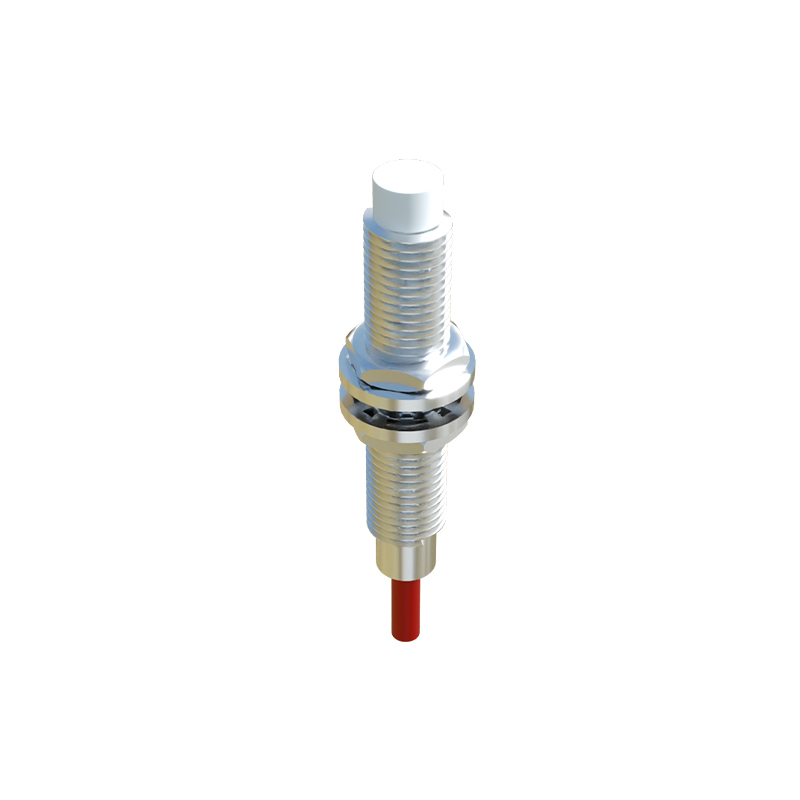
Selecting a sensor with an appropriate temperature range is a proactive engineering decision. The first step is to accurately characterize the application environment. Consider not just the general ambient temperature of the facility, but micro-environments. Will the sensor be mounted near a heat source like an oven, motor, or welding station? Could it be exposed to cold outdoor air during winter or in a refrigerated area? It is a best practice to add a safety margin of 10-15°C to the maximum expected ambient temperature when specifying the sensor's range.
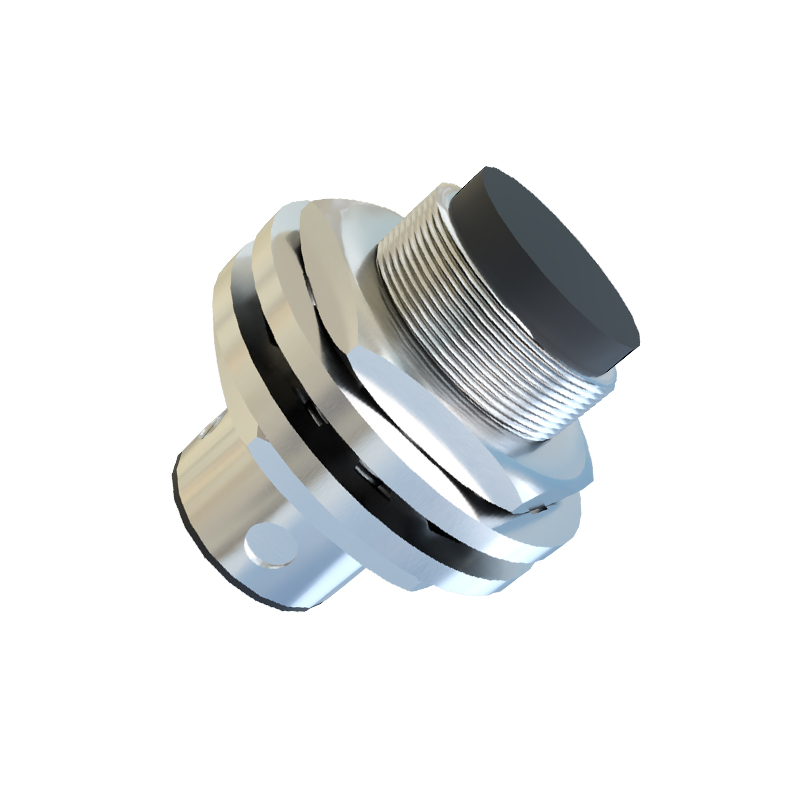
For harsh environments, specialized sensors are available. High-temperature proximity sensors are constructed with components rated for extended thermal operation. They often feature high-temperature solder, ceramic capacitors, and semiconductors with wide operating junctions. Their housings are typically made from stainless steel or high-temperature thermoplastics like PEEK. Cooling jackets or heat sinks can sometimes be employed for extreme applications. Conversely, low-temperature sensors utilize materials that resist embrittlement and lubricants that do not solidify. For applications with wide thermal swings, such as outdoor equipment or unheated warehouses, choosing a sensor with a broad range (e.g., -40°C to 85°C) is essential.
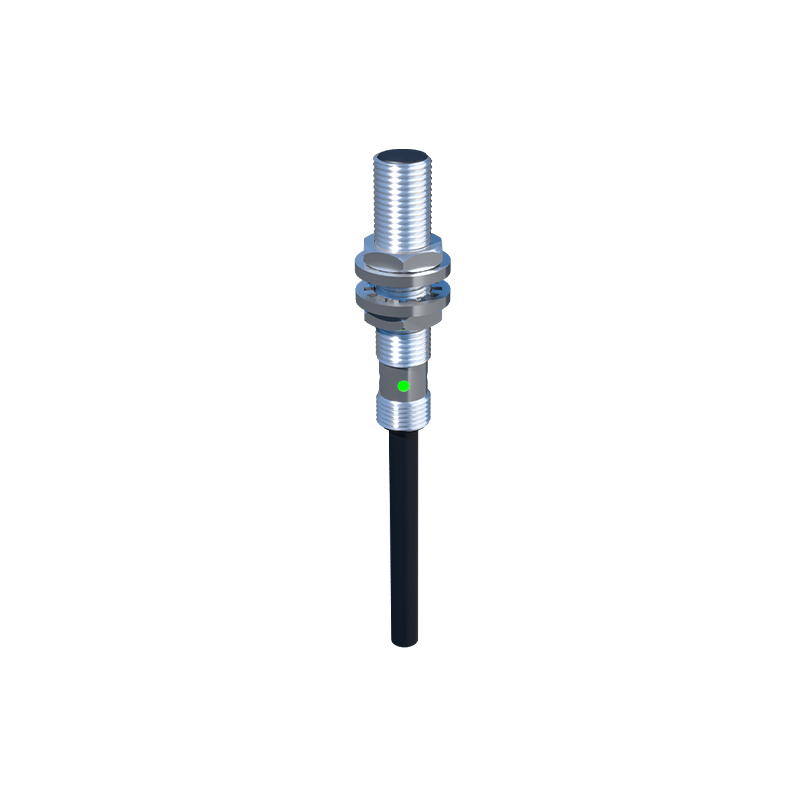
Ignoring the temperature specification can result in costly consequences. Premature sensor failure leads to unplanned downtime, production delays, and maintenance expenses. Intermittent faults or signal drift can cause quality control issues, leading to scrap or rework. In safety-critical applications, a sensor failure could have even more severe outcomes. Therefore, consulting the sensor's datasheet is non-negotiable. Reputable manufacturers provide detailed specifications, including not only the operating temperature but also storage temperature and any necessary derating curves for performance at extremes.
In conclusion, the temperature range of a proximity sensor is a vital performance gatekeeper. It directly interacts with the core physics of the sensing technology. A meticulous evaluation of the environmental conditions, coupled with an understanding of how temperature affects the chosen sensor type, is fundamental to ensuring a robust, reliable, and accurate sensing solution. By prioritizing this specification alongside others, engineers and system integrators can build automation systems that deliver consistent performance across seasons and conditions, maximizing uptime and return on investment.