In industrial automation, manufacturing, and outdoor applications, proximity sensors often face extreme conditions that challenge their performance and longevity. Harsh environment proximity sensors are specifically engineered to withstand these adversities, providing reliable non-contact detection where standard sensors would fail. This article explores the core technologies, design principles, and critical applications of these robust sensing solutions.
The definition of a "harsh environment" varies by industry but generally includes exposure to elements that can degrade sensor function. Common challenges include extreme temperatures, both high and low; persistent moisture, humidity, or direct liquid ingress; corrosive chemicals or gases; high levels of particulate matter like dust, dirt, or metal shavings; significant mechanical shock and vibration; and intense electromagnetic interference (EMI). A sensor operating in a food processing plant's washdown area faces different harsh conditions than one on a mining excavator, yet both require specialized protection.
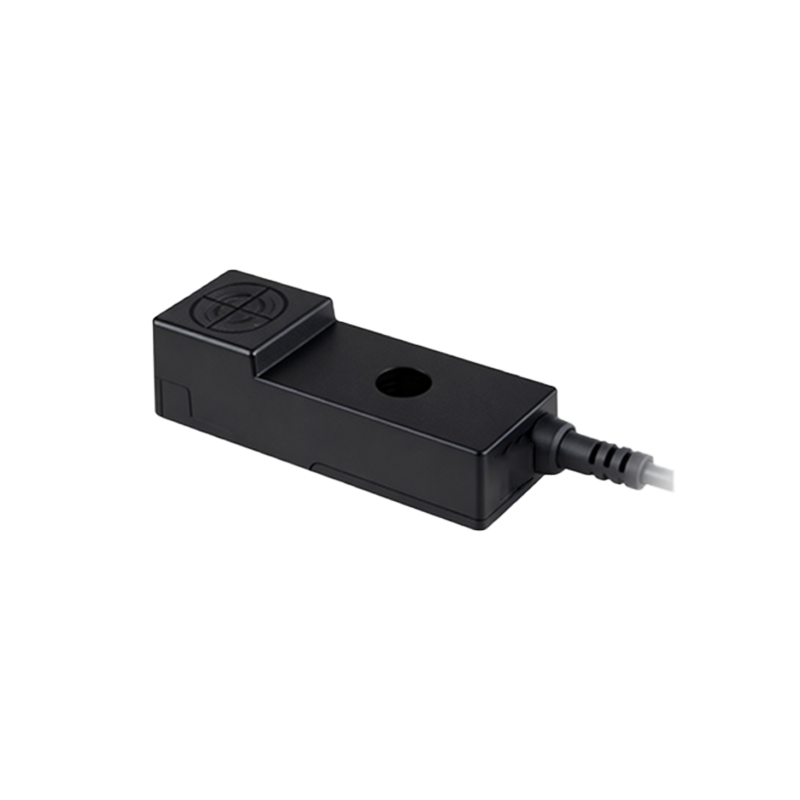
To meet these challenges, manufacturers employ several key design and technology strategies. The first line of defense is the housing and sealing. Sensors designed for harsh duty typically feature robust housings made from stainless steel (such as 316L for high corrosion resistance) or engineered plastics like PPS or PBT. Critical to performance is the Ingress Protection (IP) rating, with IP67 (dust-tight and protected against temporary immersion) and IP69K (protected against high-pressure, high-temperature washdowns) being common benchmarks. For corrosive atmospheres, NEMA 4X ratings are also crucial.
Internally, the sensing technology itself must be chosen for resilience. Inductive proximity sensors, which detect metallic objects, are inherently robust as their sensing face can be sealed with a durable material like PTFE or ceramic. Capacitive sensors, used for non-metallic materials, require careful design to prevent false triggers from moisture or contaminant buildup on the face. Ultrasonic sensors are excellent for dusty or steamy environments as sound waves are less affected by visual obstructions, but their transducers must be protected from physical damage and temperature extremes.
Beyond sealing, advanced electronics play a vital role. Potting compounds are used to encase internal circuitry, protecting against vibration, moisture, and thermal stress. Temperature compensation circuits maintain accuracy across a wide operating range, which can span from -40°C to +85°C or beyond for specialized models. For areas with high EMI, such as near welding stations or large motors, sensors with shielded designs and high noise immunity are essential to prevent erratic switching.
The applications for these hardened sensors are vast and critical to modern industry. In automotive manufacturing, weld-resistant inductive sensors withstand spatter, heat, and strong magnetic fields near robotic welders. In the food and beverage sector, sensors with smooth, crevice-free housings and IP69K ratings survive the daily high-pressure, caustic cleaning cycles required for hygiene. Agricultural and construction machinery rely on sensors that can handle mud, shock, vibration, and wide temperature swings outdoors.
In chemical processing plants, sensors with all-PTFE or PVDF housings detect valves or levels while resisting aggressive acids and solvents. Mining and bulk material handling operations use extremely rugged sensors to detect equipment position or material levels amidst pervasive dust, humidity, and constant vibration. Even in cleanrooms for semiconductor or pharmaceutical production, sensors must be designed to not generate particulate contamination while potentially being exposed to cleaning agents.
Selecting the right harsh environment sensor requires a thorough analysis of the operating conditions. Key specification checks include the required sensing distance, target material, output type (PNP/NPN, analog, IO-Link), supply voltage, and the specific environmental ratings (IP, NEMA, temperature range). Consulting with sensor specialists is often advisable for complex applications. Furthermore, proper installation is paramount; even the most robust sensor can fail if installed without considering cable strain relief, proper grounding, or exposure to a stress it wasn't designed for, such as direct high-pressure spray on an unrated cable gland.
The evolution of Industry 4.0 and the Industrial Internet of Things (IIoT) is also impacting this field. Modern harsh environment sensors increasingly feature digital communication protocols like IO-Link. This allows not only the transmission of the simple switch signal but also detailed diagnostic data—such as internal temperature, signal strength, or operating hours—enabling predictive maintenance before a failure occurs in a critical, difficult-to-access location.
In conclusion, proximity sensors for harsh environments are not merely "toughened" versions of standard models. They are the result of deliberate material science, advanced sealing technologies, and electronic hardening. By understanding the specific threats in an application and matching them with a sensor built to those exacting standards, engineers and maintenance professionals can ensure reliability, reduce downtime, and enhance safety in the world's most demanding operating conditions. Their continued development is fundamental to automating processes in sectors where the environment itself is the primary adversary.