In the intricate world of industrial automation and machinery, ensuring operational safety and precision is paramount. Among the myriad components that contribute to this goal, the proximity sensor anti-retraction pad stands out as a critical, though often understated, element. This article delves into the function, importance, and applications of these specialized pads, providing a comprehensive overview for engineers, maintenance professionals, and industry stakeholders.
A proximity sensor anti-retraction pad, sometimes referred to simply as a sensor pad or target, is a precisely engineered component designed to interact with non-contact proximity sensors. These sensors, which detect the presence or absence of an object without physical contact, are ubiquitous in automated systems. They govern processes like part positioning, machine cycle initiation, and safety interlocks. The pad itself is typically a metal or ferrous disc or block that is mounted on a moving part of a machine, such as a slide, cylinder rod, or door.
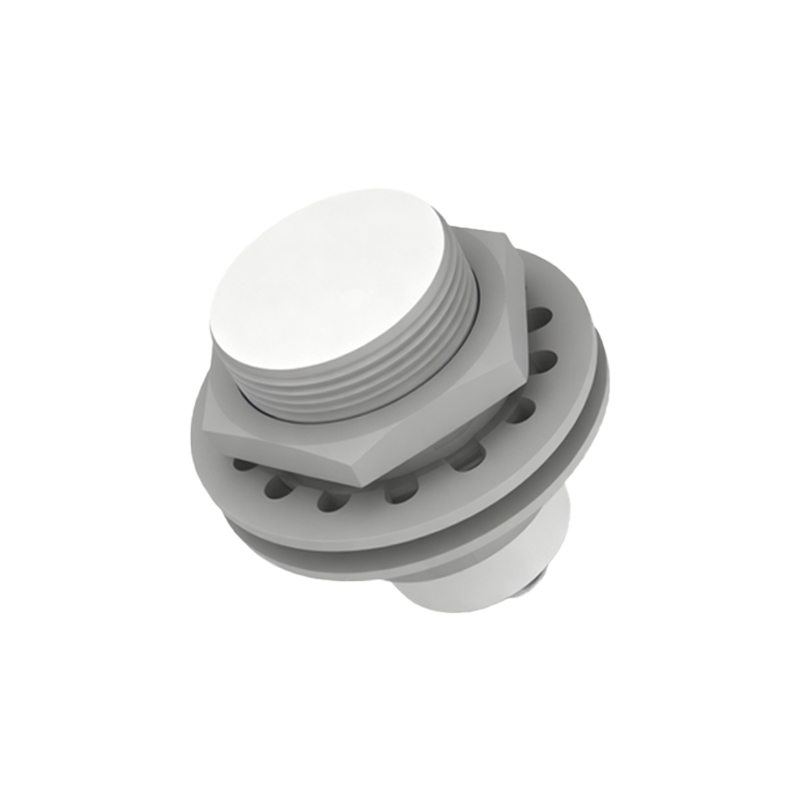
The core function of the anti-retraction pad is to provide a consistent and reliable target for the proximity sensor. When the moving component reaches a specific point in its travel, the pad enters the sensor's detection field. This triggers the sensor to send a signal to the machine's control system, confirming the component's position. The term "anti-retraction" is key. It implies that the pad is designed to maintain this detected state, preventing accidental or unintended reversal of the component's movement until the control logic permits it. This is crucial for sequence control and safety. For instance, in a hydraulic press, a pad might confirm that a safety guard is fully closed before the press cycle can begin. If the guard starts to open mid-cycle, the pad moves out of range, the sensor loses detection, and an immediate stop command is issued.
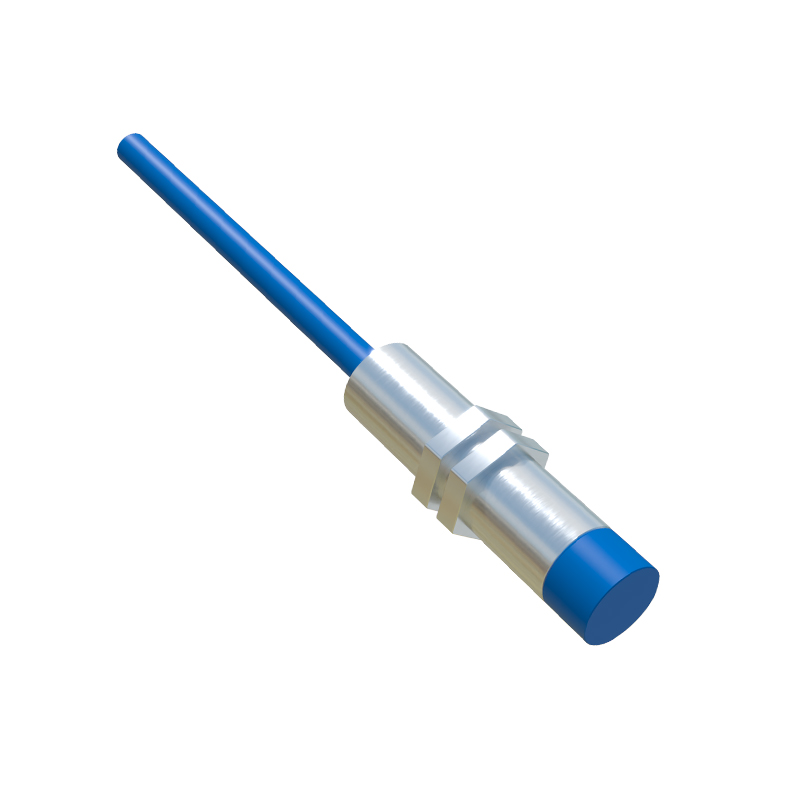
The design and material of these pads are not arbitrary. They are selected based on the type of proximity sensor used. Inductive proximity sensors, the most common type for detecting metals, require a ferrous target like mild steel. The size, shape, and material thickness of the pad directly affect the sensor's effective sensing distance. Manufacturers often provide specifications for the optimal target size to ensure reliable operation. Pads must be durable to withstand harsh industrial environments, including exposure to vibration, coolant, metal chips, and temperature fluctuations. They are often made from stainless steel or coated steels for corrosion resistance.
Installation and alignment are critical for performance. The pad must be securely mounted to avoid movement or loosening due to vibration. Its face must be parallel to the sensing face of the proximity sensor and travel through the detection zone consistently. Even minor misalignment can cause inconsistent detection, leading to machine faults, production downtime, or, in worst-case scenarios, safety hazards. Regular maintenance checks should include verifying the tightness of mounting hardware and the cleanliness of both the pad and sensor face.
The applications of proximity sensor anti-retraction pads span virtually all manufacturing and processing sectors. In automotive assembly lines, they ensure robotic welders are in the correct position before operating. In packaging machinery, they confirm that sealing jaws are fully open or closed. In material handling, they verify the position of lifts and gates. In mobile heavy equipment, they monitor the position of booms and buckets. Anywhere precise positional feedback is required for automated control or safety monitoring, these pads play an indispensable role.
Beyond basic position verification, advanced system designs utilize multiple pads and sensors to monitor different stages of a machine's cycle. This allows for more complex sequencing and fault diagnosis. For example, one pad might indicate "stroke started," another "mid-stroke," and a third "stroke completed." This granular feedback enables sophisticated programmable logic controller (PLC) programs that enhance efficiency and traceability.
Troubleshooting issues related to these components is a common task for maintenance technicians. Failure modes include physical damage to the pad, accumulation of debris that interferes with detection, loosened mounts causing misalignment, and sensor failure. A systematic approach—checking the physical condition of the pad, verifying sensor operation with a known target, and inspecting wiring—usually identifies the root cause quickly. Keeping spare pads and sensors in inventory is a best practice to minimize downtime.
In conclusion, the proximity sensor anti-retraction pad is a fundamental component in the reliable and safe operation of modern automated machinery. Its role in providing accurate positional feedback is a cornerstone of industrial control logic. By understanding its function, proper selection criteria, installation requirements, and maintenance needs, engineers and technicians can ensure their systems operate with the high degree of reliability and safety that contemporary industry demands. As automation continues to evolve towards greater complexity and integration, the humble anti-retraction pad will remain a vital, reliable sentinel in the machine's operational sequence.