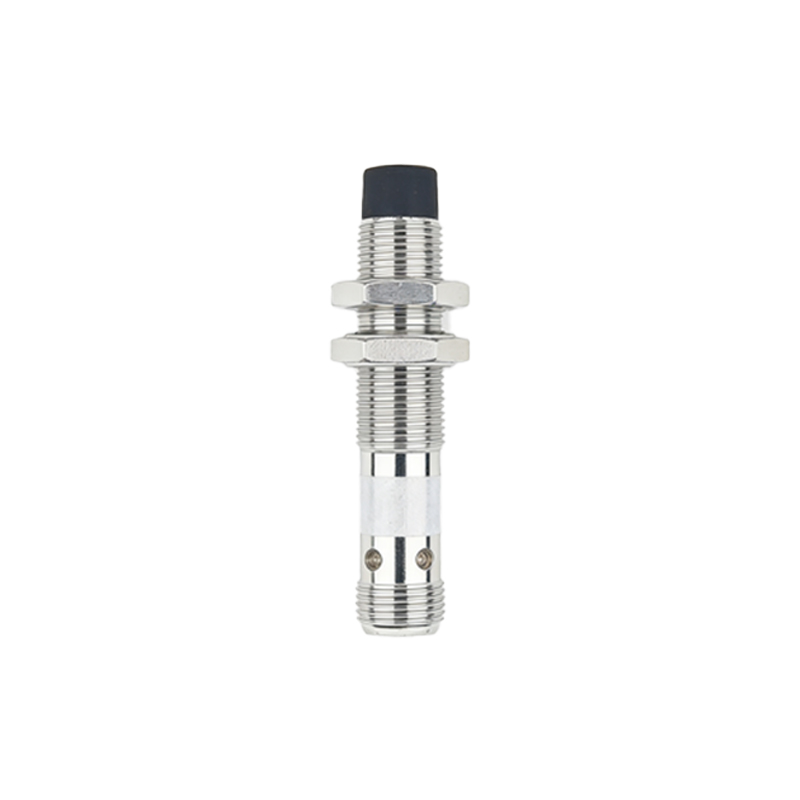
Infrared proximity sensors have become an integral part of modern technology, operating silently in the background of countless devices. At their core, these sensors detect the presence or absence of an object within a specific range without any physical contact. The fundamental principle relies on the emission and reception of infrared light, a type of electromagnetic radiation invisible to the human eye.
The operation is elegantly simple. An infrared light-emitting diode (IR LED) emits a beam of infrared light. When an object enters the sensor's field of view, this light reflects off the object's surface. A separate component, typically a photodiode or phototransistor, acts as a receiver, tuned to detect the specific wavelength of the emitted IR light. The sensor's internal circuitry then measures the intensity of the reflected light. The key to proximity detection lies in the correlation between the intensity of the reflected signal and the distance to the object. A stronger reflected signal generally indicates a closer object, while a weaker signal suggests the object is farther away or absent. Many advanced sensors use modulated IR signals—pulsing the light at a specific frequency—to filter out ambient infrared noise from sources like sunlight or indoor lighting, greatly enhancing accuracy and reliability.
Several distinct types of infrared proximity sensors cater to different needs. The basic reflective type, described above, is the most common. Diffuse sensors are a subtype where the emitter and receiver are housed in the same unit, relying on light reflecting directly back from the target. Through-beam sensors, offering the longest detection range and highest accuracy, consist of separate, opposing units for the emitter and receiver; an object is detected when it breaks the beam. Retro-reflective sensors use a reflector to bounce the beam back to a combined emitter/receiver unit, detecting an object when it blocks this return path.
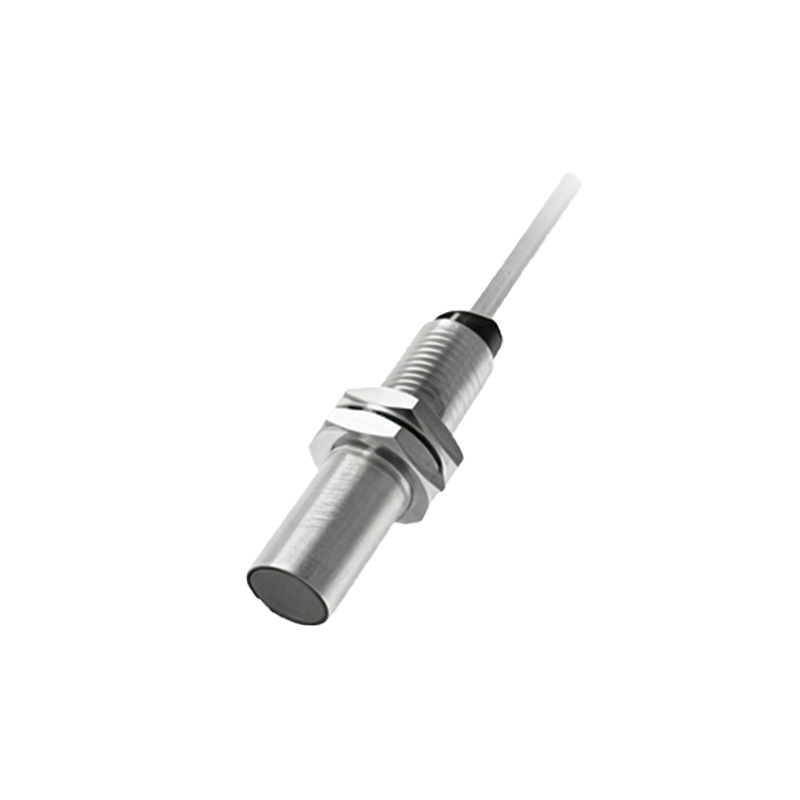
The applications for these sensors are vast and growing. In consumer electronics, they are the reason a smartphone screen turns off when held to your ear during a call, saving battery life. They enable touchless gesture control in devices like smart speakers and TVs. In the realm of robotics, infrared proximity sensors are essential for obstacle detection and avoidance, allowing robots to navigate environments safely. Industrial automation relies on them for object counting, jam detection in conveyor systems, and precise positioning in manufacturing. They are also found in automotive systems for parking assistance, in security systems for intrusion detection, and even in home appliances like automatic faucets and paper towel dispensers, promoting hygiene.
Selecting the right infrared proximity sensor involves considering several parameters. Detection range is primary, varying from a few centimeters to several meters. Response time is critical in high-speed applications. The size and form factor must fit the design constraints. Environmental factors like ambient light conditions, dust, or fog can affect performance, necessitating sensors with appropriate filtering or housing. Power consumption is a key concern for battery-operated devices. Furthermore, the reflectivity and color of the target object can influence performance; dark, non-reflective surfaces absorb more IR light and may be harder to detect at longer ranges compared to light, reflective surfaces.
Compared to other sensing technologies, IR proximity sensors offer a compelling balance. Ultrasonic sensors are less affected by object color or reflectivity and work well in dusty environments but are slower and can be confused by soft materials. Laser sensors offer extreme precision over long distances but are significantly more expensive. Capacitive sensors detect conductive materials only, and inductive sensors are limited to metals. Infrared sensors provide a reliable, cost-effective, and fast solution for non-contact detection of a wide variety of materials.
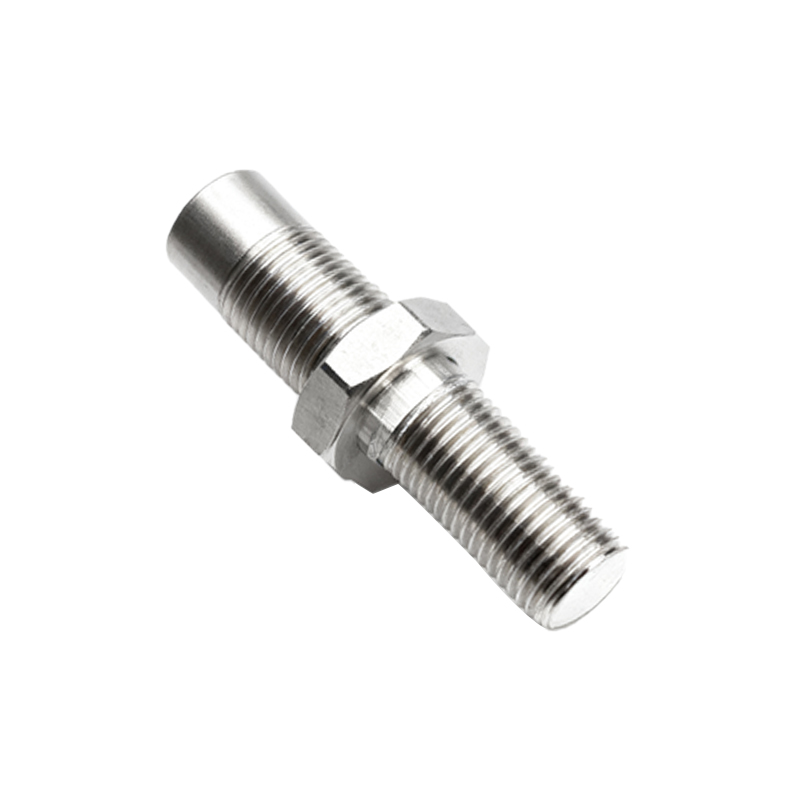
Looking ahead, the evolution of infrared proximity sensing is tied to advancements in miniaturization, power efficiency, and intelligence. The integration of sensor arrays and the fusion of IR data with inputs from cameras or other sensors will enable more sophisticated context-aware functionalities. As the Internet of Things continues to expand, these small, smart, and efficient sensors will play an increasingly vital role in bridging the physical and digital worlds, making our interactions with technology more seamless and intuitive.