Proximity sensors have become ubiquitous in modern technology, silently powering features we often take for granted. From smartphones that dim screens during calls to industrial machinery ensuring operator safety, these devices generate a continuous stream of proximity sensor data. This data is the fundamental output that systems interpret to trigger actions, make decisions, and enable automation. But what exactly is this data, how is it generated, and what are its practical applications? This guide delves into the world of proximity sensor data, exploring its characteristics, interpretation, and significance across various sectors.
At its core, proximity sensor data is a measurement representing the presence or absence of an object within a defined detection range, and often, the approximate distance to that object. Unlike complex imaging data, this information is typically simple and low-bandwidth. The most basic form is a binary digital signal: a '1' or HIGH voltage indicating an object is detected within the threshold, and a '0' or LOW voltage indicating no object is present. This simple on/off data is the backbone of countless safety interlocks and presence detection systems.
More advanced sensors, particularly analog or certain digital types, provide richer proximity sensor data. Instead of a simple yes/no, they output a continuous variable signal—such as a voltage, current, or a digital value—that correlates with the distance to the target. For instance, a sensor might output 0.5 volts when an object is 1 millimeter away and 4.5 volts when it is 10 millimeters away. This analog proximity sensor data allows for granular control, enabling applications like precise positioning or non-contact measurement of vibration or thickness.
The journey of this data begins with the sensor's operating principle. Common types include inductive, capacitive, ultrasonic, and optical sensors. An inductive sensor generates an electromagnetic field; when a metallic object disrupts this field, the sensor's internal circuitry changes, producing a corresponding data output. A capacitive sensor reacts to the presence of any material by detecting changes in capacitance. Each technology translates a physical interaction into an electrical signal—the raw proximity sensor data.
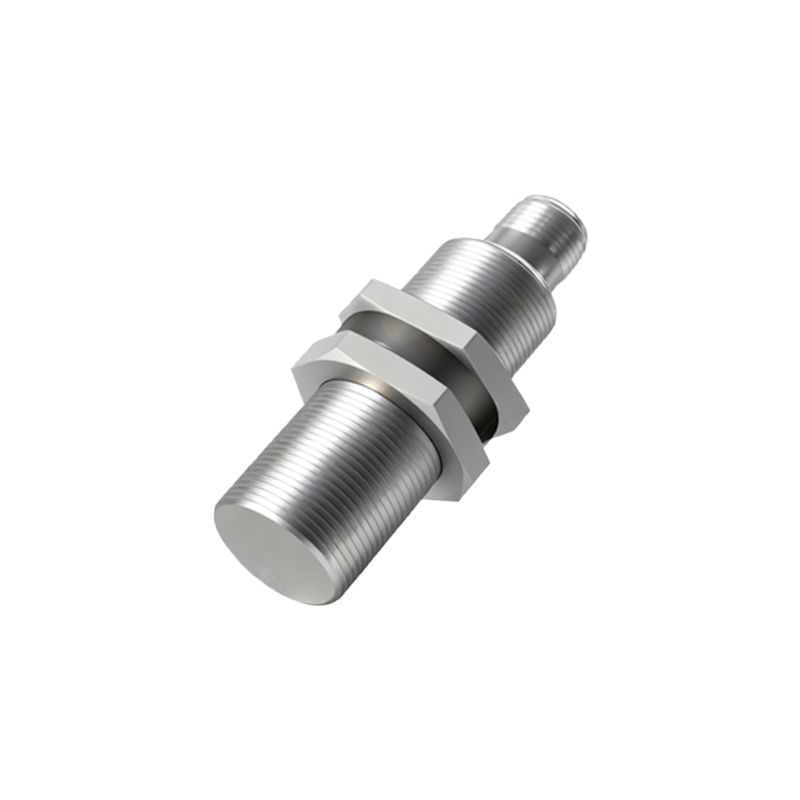
Once generated, this raw data is rarely used directly. It undergoes conditioning and processing. Signal conditioning circuits may amplify weak signals, filter out electrical noise, or convert analog signals to digital. In a microcontroller or programmable logic controller (PLC), this processed proximity sensor data is then compared against predefined thresholds or used in algorithms. For example, in an automated assembly line, data from multiple sensors might be combined to confirm a part is correctly positioned before a robotic arm welds it.
The applications of proximity sensor data are vast and critical. In consumer electronics, it manages touchscreen behavior during calls, conserving power and preventing accidental inputs. In the automotive industry, this data feeds into parking assistance systems, blind-spot monitoring, and automatic braking systems, directly contributing to vehicle safety. Industrial automation relies heavily on this data for object counting, jam detection, fill level control, and ensuring machine safety by halting operation if a person enters a hazardous zone.
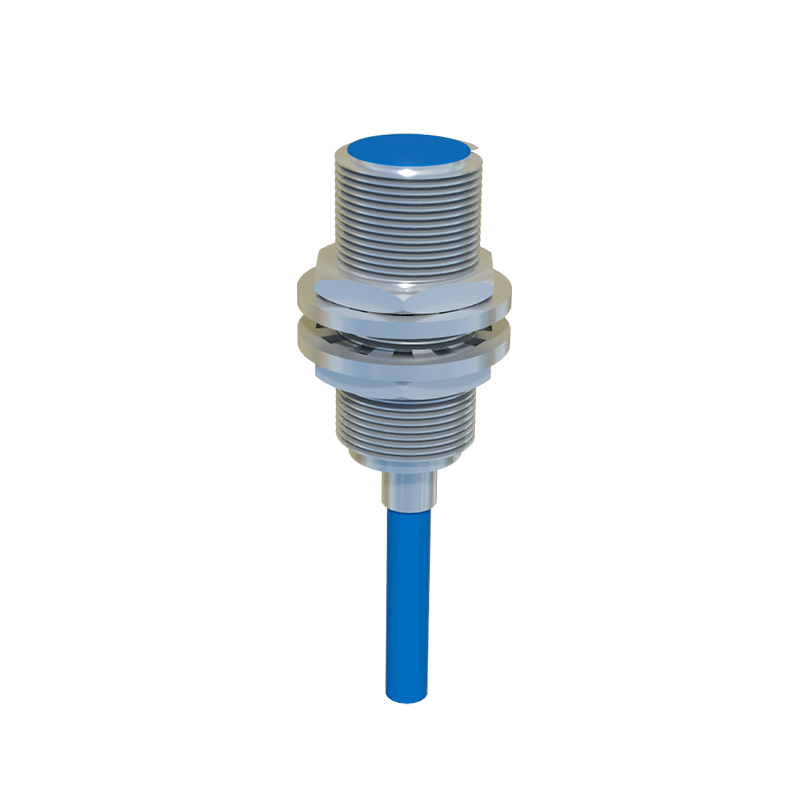
Interpreting proximity sensor data correctly requires understanding its limitations. Factors like sensor calibration, target material, environmental conditions (temperature, humidity, contaminants), and electrical interference can all affect data accuracy. For instance, an inductive sensor will not detect a plastic object, while a capacitive sensor might be triggered by unwanted environmental humidity. Regular maintenance and understanding the context of the data are essential for reliable operation.
Looking forward, the role of proximity sensor data is expanding with the Internet of Things (IoT) and Industry 4.0. Sensors are now networked, streaming their data to cloud platforms for centralized monitoring, predictive maintenance, and big data analytics. A single factory might analyze streams of proximity sensor data from thousands of points to optimize production flow, predict equipment failures before they happen, and enhance overall operational efficiency.
In conclusion, proximity sensor data, though often simple in form, is a powerful enabler of modern automation, safety, and convenience. Its value lies not in complexity, but in its reliable, real-time representation of the physical world to digital control systems. From a simple switch to a nuanced distance measurement, this data forms a critical layer of information, bridging the gap between physical actions and digital reactions. As technology evolves, the methods of generating, processing, and utilizing this foundational data will only grow more sophisticated, driving further innovation in how machines perceive and interact with their surroundings.