In the realm of industrial automation, proximity sensors stand as critical components for non-contact detection, and the E2E-X series represents a pinnacle of reliability and precision engineering. Designed to meet the rigorous demands of modern manufacturing environments, these inductive proximity sensors offer robust performance, ensuring seamless operations in applications ranging from assembly lines to robotic systems.
The E2E-X sensors operate on the principle of electromagnetic induction. When a metallic object enters the sensor's detection field, it induces eddy currents, causing a change in the oscillator circuit. This alteration is detected, triggering an output signal. This mechanism allows for accurate sensing without physical contact, minimizing wear and tear and extending operational lifespan. Key specifications include sensing distances tailored to various models, typically ranging from 1 to 10 mm, with high repeat accuracy ensuring consistent performance even in high-speed processes.
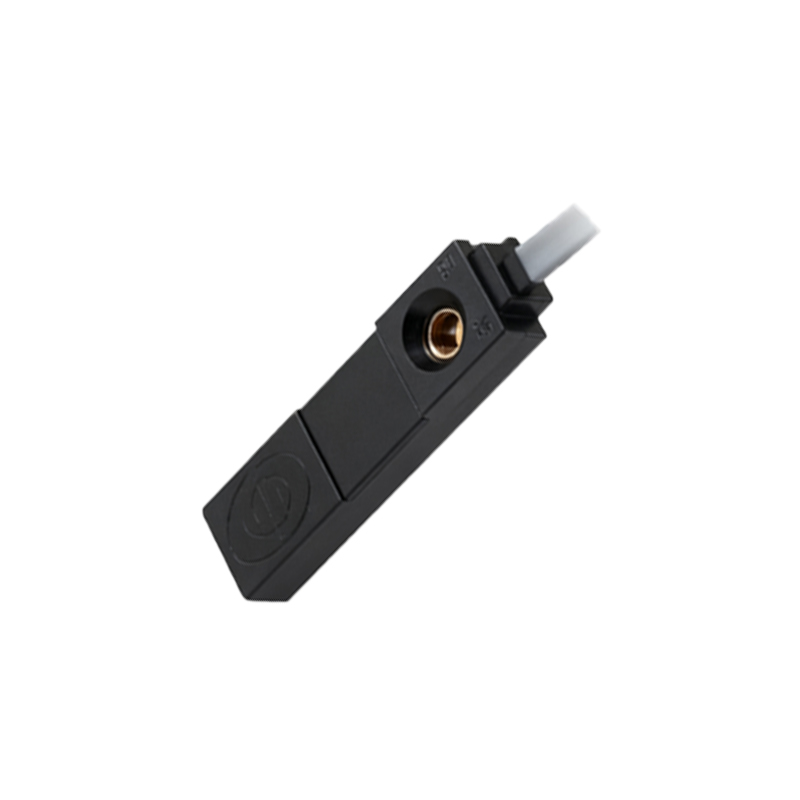
One of the standout features of the E2E-X series is its durability. Housed in rugged, stainless-steel or nickel-plated brass bodies, these sensors are built to withstand harsh conditions such as extreme temperatures, moisture, and chemical exposure. Many models comply with IP67 or higher ingress protection ratings, making them suitable for use in washdown environments or outdoor installations. Additionally, they exhibit excellent noise immunity, reducing false triggers from electromagnetic interference common in industrial settings.
Installation and integration are straightforward, thanks to standardized mounting options and compatibility with common industrial voltage ranges, including 10-30 VDC. The sensors provide both NPN and PNP output configurations, allowing flexibility in interfacing with PLCs (Programmable Logic Controllers) and other control systems. LED indicators facilitate easy diagnostics, enabling quick troubleshooting during maintenance.
Applications for E2E-X sensors are diverse. In automotive manufacturing, they detect piston positions or verify part presence. In packaging machinery, they monitor fill levels or count products on conveyor belts. The food and beverage industry utilizes them for container positioning, while in material handling, they ensure precise pallet placement. Their ability to function in tight spaces and under vibration makes them indispensable for enhancing safety and efficiency.
When selecting an E2E-X sensor, factors to consider include target material (ferrous or non-ferrous metals), required sensing distance, environmental conditions, and output type. Regular maintenance involves checking for physical damage, cleaning lenses, and verifying electrical connections to prevent downtime.
In summary, the E2E-X proximity sensor series embodies innovation and resilience, driving automation forward with its dependable detection capabilities. By reducing manual intervention and improving accuracy, it contributes significantly to optimized production workflows and cost savings in various industrial sectors.