In industrial automation systems, laser sensors are critical components for precision measurement, object detection, and positioning. However, a common operational issue is sensor obstruction, where the laser beam is partially or completely blocked, leading to system failures, production downtime, and potential safety hazards. This article delves into the causes, implications, and systematic troubleshooting approaches for laser sensor obstruction, providing engineers and technicians with actionable insights.
Laser sensors operate by emitting a focused beam of light towards a target. A receiver detects the reflected or transmitted light to determine presence, distance, or other parameters. Obstruction occurs when an foreign object, accumulated debris, or environmental interference disrupts this optical path. Common causes include dust and particulate buildup in harsh manufacturing environments, misalignment due to vibration or mechanical impact, condensation or frost in temperature-variable settings, and accidental placement of tools or materials within the sensor's field.
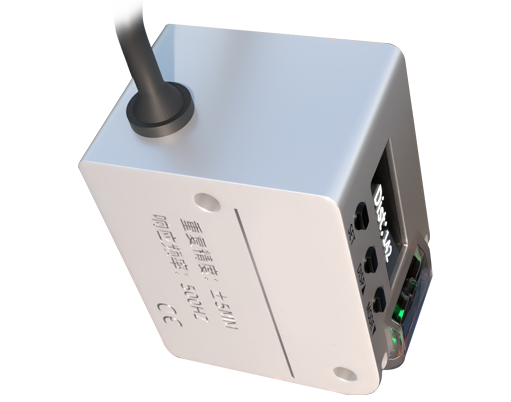
The consequences of an obstructed laser sensor can be severe. In automated assembly lines, it may cause false negative readings, leading to defective products or collisions. In safety curtain applications, obstruction can compromise personnel protection. Moreover, continuous beam blockage might cause overheating in some sensor models, reducing their lifespan. Therefore, proactive monitoring and maintenance are paramount.
Troubleshooting begins with a visual inspection. Power down the equipment following lockout-tagout (LOTO) procedures. Examine the sensor lens for dirt, oil, or scratches. Clean the lens gently with a soft, lint-free cloth and appropriate optical cleaner. Avoid abrasive materials. Next, verify the sensor's alignment. Use alignment tools or the sensor's built-in indicator (often an LED signal) to ensure the emitter and receiver are precisely oriented. Even minor misalignment can be misinterpreted as obstruction.
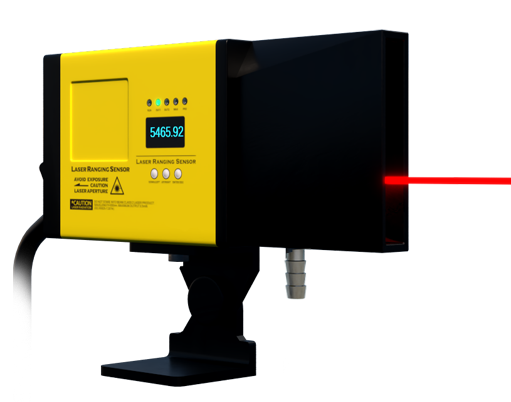
Check the environment. Ensure that ambient light sources—such as powerful LEDs or sunlight—are not flooding the receiver and causing saturation. Install protective shrouds or barriers if necessary. Inspect for structural changes: have new machines, cables, or partitions been installed that could intercept the beam? Review recent maintenance logs for clues.
For integrated systems, utilize diagnostic functions. Many modern laser sensors feature IO-Link or similar digital communication, providing detailed status reports like signal strength, temperature, and contamination warnings via the PLC. Analyzing this data can distinguish between a true obstruction and other faults like power supply issues or internal component failure.
Preventive measures are crucial. Establish a regular maintenance schedule for cleaning and inspection. Consider selecting sensors with higher ingress protection (IP) ratings for dusty or wet areas. Models with built-in air purging systems can keep the lens clear. Additionally, implement redundancy for critical applications, using multiple sensors in a voting logic configuration to enhance reliability.
When an obstruction is intermittent, it can be particularly challenging. Data logging and trending of the sensor's analog output signal can reveal patterns correlated with specific machine cycles or environmental changes, guiding you to the root cause.
In summary, laser sensor obstruction is a manageable issue with a methodical approach. Understanding the operating principle, maintaining a clean and stable environment, and leveraging advanced diagnostic tools are key to ensuring continuous, reliable operation. Always prioritize safety and refer to the manufacturer's specific guidelines for your sensor model during all troubleshooting and maintenance activities.