In industrial automation and control systems, metal proximity sensors are critical components for detecting the presence or absence of metallic objects without physical contact. However, a common issue faced by engineers and technicians is slow sensor response, which can lead to production delays, reduced efficiency, or even system failures. Understanding the underlying causes of this sluggish performance is essential for maintaining optimal operations. This article delves into the technical factors contributing to slow response in metal proximity sensors, offering insights for troubleshooting and improvement.
One primary cause of slow response is environmental interference. Metal proximity sensors operate based on electromagnetic fields, and external factors such as temperature fluctuations, humidity, or electromagnetic noise from nearby equipment can disrupt their functionality. For instance, high temperatures may affect the sensor's internal circuitry, causing delays in signal processing. Similarly, electromagnetic interference (EMI) from motors, transformers, or other sensors can introduce noise into the sensor's output, leading to inaccurate or delayed detection. To mitigate this, engineers should ensure proper shielding, grounding, and installation away from high-interference sources.
Another significant factor is sensor wear and aging. Over time, components within the sensor, such as oscillators, amplifiers, or output circuits, may degrade due to continuous use or harsh operating conditions. This degradation can reduce the sensor's sensitivity and response speed. Regular maintenance and calibration are crucial to identify worn parts early. Replacing aging sensors or upgrading to more robust models with higher frequency ratings can also enhance performance. Additionally, dust, oil, or metal shavings accumulating on the sensor face can attenuate the electromagnetic field, further slowing response. Cleaning the sensor regularly and using protective housings in dirty environments can prevent this issue.
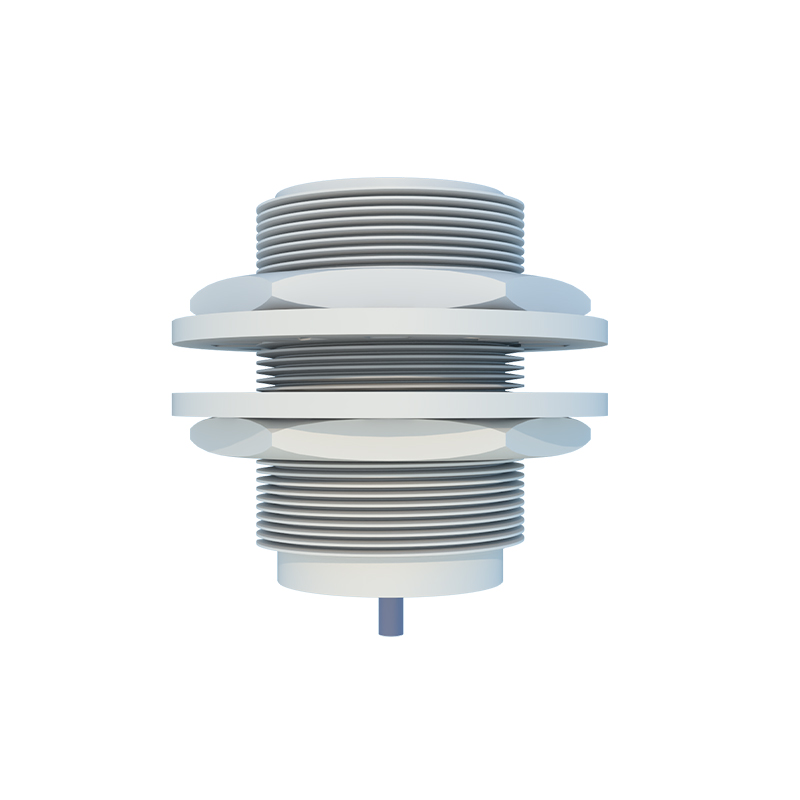
The design and configuration of the sensor itself play a vital role. Metal proximity sensors come in various types, including inductive, capacitive, and magnetic variants, each with different response times. Inductive sensors, commonly used for metal detection, may exhibit slow response if their oscillation frequency is set too low. Increasing the frequency can improve speed but may reduce detection range or increase power consumption. Engineers must balance these parameters based on application requirements. Moreover, improper wiring or loose connections can introduce resistance, delaying signal transmission. Ensuring correct installation according to manufacturer guidelines, such as using shielded cables and secure terminals, is essential for optimal response.
Application-specific factors also contribute to slow response. For example, if a sensor is detecting fast-moving objects, its response time must match the speed of the target. A sensor with a slow switching frequency may miss detections or react too late, causing errors in automated processes. Selecting sensors with appropriate response times, often specified in datasheets (e.g., milliseconds or microseconds), is critical. Additionally, the material and size of the target metal object affect detection. Smaller or non-ferrous metals may require sensors with higher sensitivity, and if not calibrated correctly, this can lead to delayed responses. Testing with actual target materials during setup can help fine-tune the sensor for better performance.
Power supply issues are another common culprit. Metal proximity sensors require stable voltage and current to function efficiently. Voltage drops, surges, or insufficient power can cause the sensor to operate sluggishly or erratically. Using regulated power supplies and checking for consistent voltage levels in the circuit can prevent such problems. In some cases, sensors with built-in diagnostics or LED indicators can alert users to power-related issues, facilitating quicker troubleshooting.
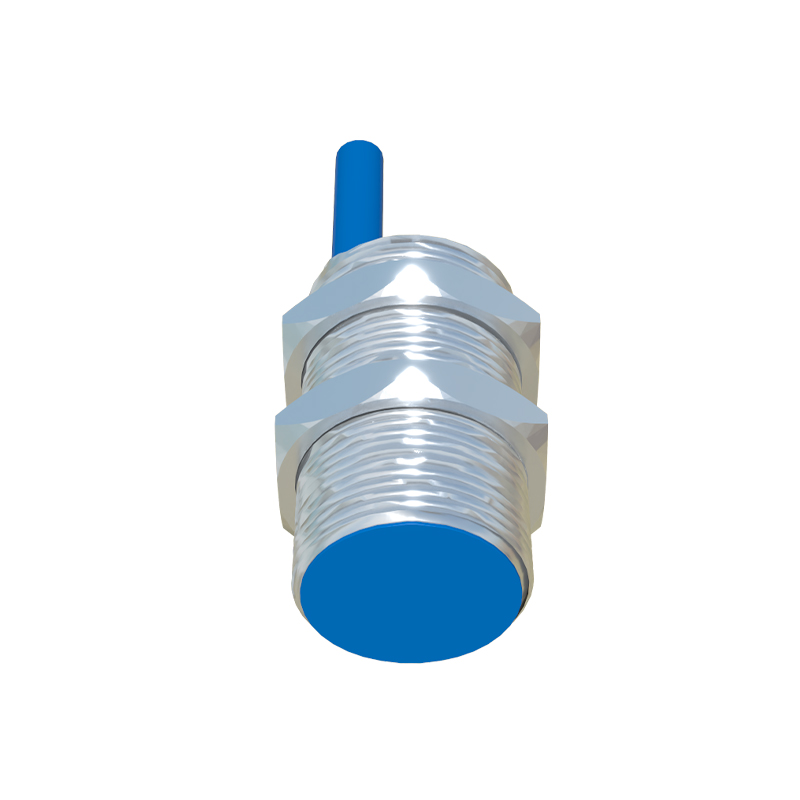
In conclusion, slow response in metal proximity sensors stems from a combination of environmental, mechanical, design, and application factors. By systematically analyzing these aspects—such as reducing interference, maintaining equipment, optimizing configuration, and ensuring stable power—engineers can enhance sensor performance and reliability. Proactive measures, including regular inspections and adherence to best practices, are key to minimizing downtime and maximizing productivity in industrial settings. As technology advances, newer sensors with faster response times and improved resilience are emerging, offering solutions for demanding applications. Staying informed about these developments can help professionals address challenges effectively and maintain efficient automation systems.