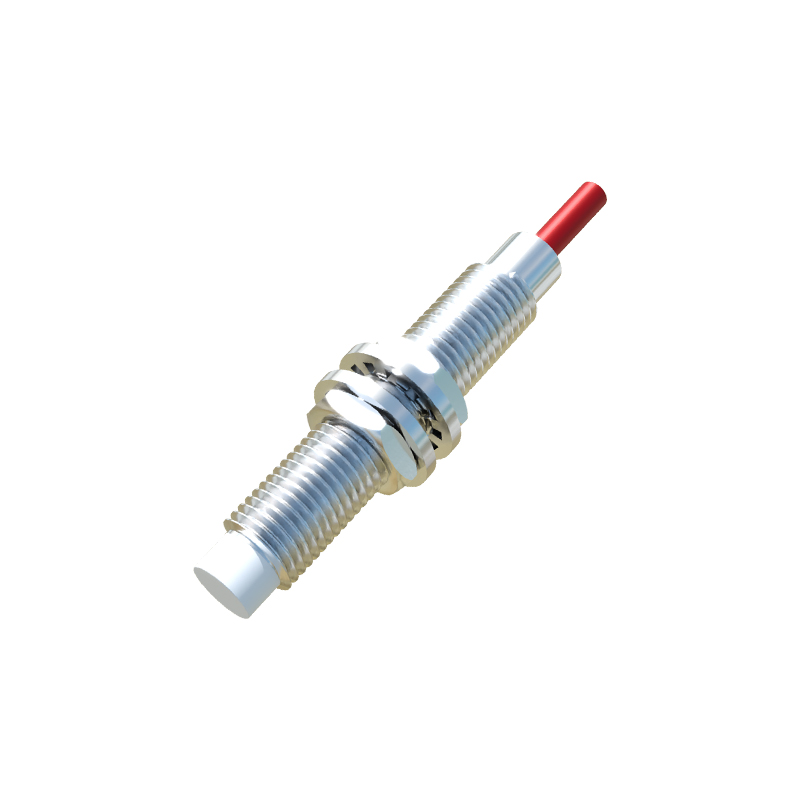
In industrial automation and control systems, proximity switch sensors play a pivotal role in detecting the presence or absence of objects without physical contact. When paired with a dedicated counter, these sensors form a robust solution for monitoring production rates, tracking items on a conveyor, or managing inventory. This article delves into the specifics of 12V DC proximity switch sensor counters, exploring their operation, selection criteria, installation best practices, and common applications.
A 12V proximity switch sensor counter system typically consists of three core components: the sensor, the signal conditioning unit (if needed), and the electronic counter. The proximity sensor, often an inductive, capacitive, or photoelectric type, generates a discrete signal (ON/OFF) when a target object enters its sensing range. For 12V DC systems, the sensor operates on a 12-volt direct current power supply, a common standard in mobile equipment, automotive applications, and many factory automation setups due to its safety and compatibility with batteries and standard power supplies. This signal is then fed into an electronic counter. Modern counters are digital devices that can increment, decrement, or totalize these pulses. They feature programmable presets, various display options (LED, LCD), and output relays to trigger actions when a set count is reached, such as stopping a machine or activating an alarm.
Selecting the right 12V proximity sensor and counter requires careful consideration of several technical parameters. First, determine the sensing technology. Inductive sensors are ideal for detecting metallic objects and are highly resistant to environmental factors like dust and oil. Capacitive sensors can detect both metallic and non-metallic materials (plastics, liquids) but are more sensitive to environmental changes. Photoelectric sensors use a light beam and are excellent for long-range detection of various materials. The sensing distance, repeat accuracy, and response frequency of the sensor must match the application's speed and precision requirements. For the counter, key factors include count speed (maximum input frequency), input signal compatibility (must accept the 12V DC sensor's PNP or NPN output), power supply requirements (often 12-24V DC), and functionality (predetermining, bidirectional counting, communication interfaces like RS485 for data logging).

Installation and wiring are critical for reliable operation. Ensure the sensor is mounted securely at the correct distance and angle from the target object. Avoid mounting metallic sensors directly on a metal surface without the specified clearance, as this can reduce the effective sensing range. For wiring, always refer to the manufacturer's datasheet. A typical 3-wire 12V DC sensor has brown (power+), blue (power- or common), and black (signal output) wires. The counter's input terminals must be connected correctly to this signal wire and the common. Use shielded cables in electrically noisy environments and keep power lines separate from signal lines to prevent electromagnetic interference. Proper grounding of the sensor, counter, and machinery is essential.
The applications for 12V proximity sensor counters are vast across industries. In packaging lines, they count bottles, boxes, or packages moving on a conveyor. In automotive assembly, they monitor the number of components installed or vehicles passing a checkpoint. In material handling, they manage inventory by counting items entering or leaving a storage area. They are also integral to process control in machinery, where a specific count of operations (like strokes of a press) must be controlled. The 12V DC specification makes them particularly suitable for mobile applications, such as counting rotations on agricultural equipment, monitoring products on solar-powered systems, or in any scenario where battery or vehicle electrical system power is the primary source.
Maintenance primarily involves regular cleaning of the sensor face to prevent false triggers from debris buildup and verifying the count accuracy periodically. Troubleshooting common issues often starts with checking the power supply voltage, inspecting wiring connections for looseness or damage, and verifying the sensor's alignment and sensing distance. Most modern counters have diagnostic LEDs that indicate power status and input signal reception, which are invaluable for quick fault-finding.
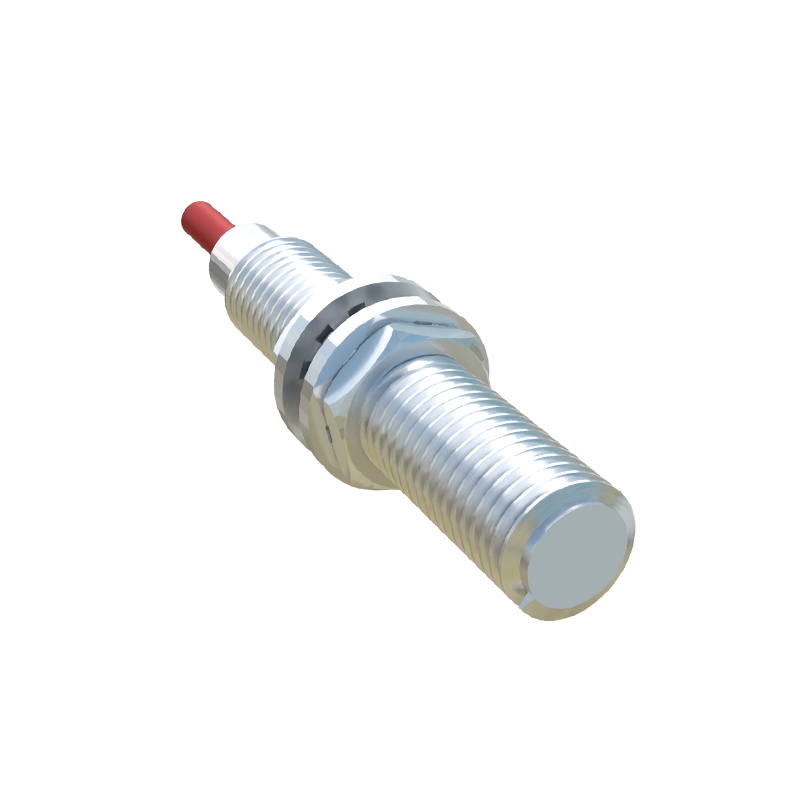
In conclusion, a well-chosen and properly installed 12V proximity switch sensor counter system is a reliable, efficient, and versatile tool for industrial counting and control tasks. By understanding the principles outlined here, engineers and technicians can effectively implement these systems to enhance productivity, ensure quality, and automate processes in a wide range of demanding environments.