In the rapidly evolving landscape of industrial automation, proximity sensor manufacturers play a pivotal role in enabling precise, non-contact detection across diverse applications. These specialized producers design and fabricate sensors that detect the presence or absence of objects without physical contact, utilizing technologies such as inductive, capacitive, ultrasonic, and photoelectric principles. Leading manufacturers continuously innovate to enhance sensing ranges, environmental resilience, and integration capabilities with Industrial Internet of Things (IIoT) platforms.
The production of proximity sensors demands rigorous engineering standards. High-quality manufacturers invest significantly in research and development to improve core components like oscillator circuits, sensing coils, and signal conditioning modules. Material selection is critical; housings are often constructed from stainless steel, nickel-plated brass, or PBT plastics to withstand harsh industrial environments involving oils, coolants, and particulate matter. Advanced manufacturing facilities employ automated assembly lines and stringent testing protocols, including temperature cycling, vibration tests, and EMI/RFI immunity checks, to ensure reliability and longevity.
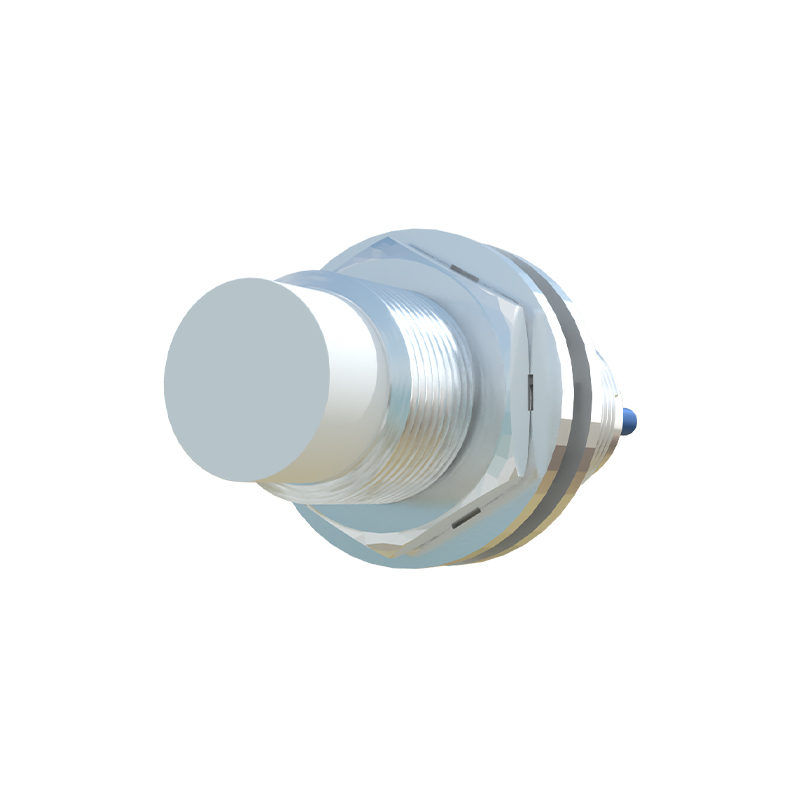
Industry leaders distinguish themselves through technological specialization. Some manufacturers focus on ultra-miniaturized sensors for compact machinery, while others develop heavy-duty models for mining or metalworking. Innovations include analog output sensors for precise distance measurement, IO-Link enabled devices for smart factory communication, and designs with enhanced noise immunity for high-interference settings. Customization services are also a hallmark of top-tier producers, allowing for tailored sensing ranges, connector types, and output configurations to meet specific OEM requirements.
The global market is characterized by both established conglomerates and agile specialized firms. Major players often provide comprehensive portfolios encompassing thousands of sensor variants, backed by global distribution and technical support networks. Meanwhile, niche manufacturers excel in delivering application-specific solutions, such as high-temperature sensors for automotive welding lines or washdown-rated sensors for food and beverage processing. Sustainability initiatives are gaining traction, with efforts to reduce energy consumption in sensor operation and incorporate recyclable materials in packaging.
Choosing a reliable proximity sensor manufacturer involves evaluating technical specifications, compliance with international standards (e.g., IEC, UL, CE), and proven performance in real-world conditions. Factors such as mean time between failures (MTBF) data, availability of 3D models for design integration, and responsive customer engineering support are crucial considerations. As Industry 4.0 accelerates, forward-looking manufacturers are embedding diagnostic capabilities and predictive maintenance features, transforming simple sensors into intelligent data points within connected industrial ecosystems. The future will likely see further convergence of sensing technologies, with multi-technology sensors and increased wireless connectivity, driving efficiency and innovation across manufacturing, packaging, automotive, and logistics sectors worldwide.