In industrial automation and control systems, magnetic proximity switches are widely used for position detection, safety interlocks, and process control. These sensors operate by detecting the presence of a magnetic field, typically from a permanent magnet, to trigger a switching action. However, there are scenarios where bypassing a magnetic proximity switch becomes necessary—such as during system testing, maintenance, troubleshooting, or when a sensor fails and needs temporary replacement. It is crucial to approach bypassing with caution, as improper methods can lead to equipment damage, safety hazards, or operational failures. This article provides a professional guide on how to safely and effectively bypass a magnetic proximity switch sensor, adhering to industry standards and best practices.
First, understand the working principle of a magnetic proximity switch. These sensors consist of a reed switch or Hall-effect sensor that closes or opens an electrical circuit when exposed to a magnetic field. They are commonly used in applications like door position sensing, conveyor belt monitoring, or machine tool positioning. Bypassing essentially means simulating the sensor's output signal without the actual magnetic trigger. Before proceeding, always follow lockout-tagout (LOTO) procedures to de-energize the system and prevent accidental activation. Wear appropriate personal protective equipment (PPE) and consult the system's electrical diagrams to identify the sensor's wiring configuration.
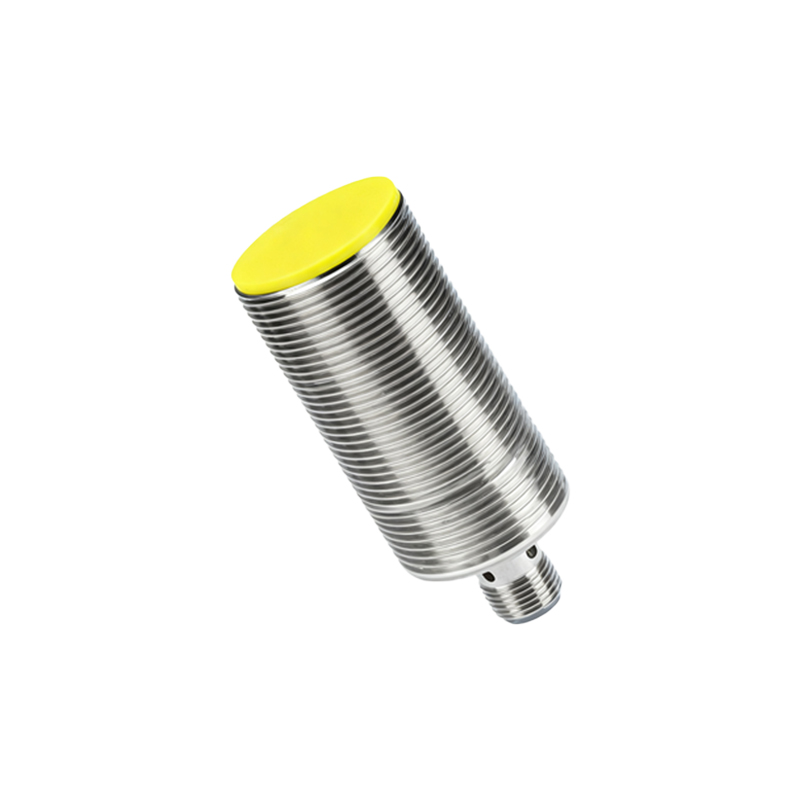
To bypass a magnetic proximity switch, start by determining its type: normally open (NO) or normally closed (NC). This information is usually marked on the sensor body or in the technical datasheet. For a NO switch, the circuit is open when no magnet is present; for a NC switch, the circuit is closed when no magnet is present. Next, locate the sensor's electrical connections—typically two or three wires, such as power, ground, and signal lines. Using a multimeter, verify the voltage levels and ensure the system is safe to work on.
For a simple bypass, you can use a jumper wire to mimic the sensor's state. If the sensor is NO, connect a jumper between the signal and power wires (or as per the circuit design) to close the circuit, simulating the presence of a magnet. If it is NC, disconnect the jumper to open the circuit. Alternatively, you can replace the sensor with a manual switch or a relay for temporary control. In programmable logic controller (PLC) systems, you might bypass the sensor by forcing the input signal in the software, but this should only be done by trained personnel to avoid programming errors.
Another method involves using a permanent magnet to manually activate the sensor, but this is less reliable for long-term bypassing. For critical safety systems, such as those in machinery guards or emergency stops, bypassing is not recommended unless under strict supervision and compliance with safety regulations like OSHA or ISO 13849. Always document the bypass procedure and restore the original configuration once testing or maintenance is complete.
In summary, bypassing a magnetic proximity switch requires technical knowledge, safety precautions, and an understanding of the specific application. It is a temporary solution for diagnostics or emergencies, not a permanent fix. Regular sensor maintenance and timely replacement are key to avoiding the need for bypassing. By following these guidelines, engineers can ensure system integrity and operational safety in industrial environments.