Thin-film laser sensors represent a significant advancement in precision measurement and detection technologies within the electrical and industrial automation sectors. These sensors utilize laser beams directed through or reflected by specialized thin-film materials to achieve high-accuracy sensing of various physical parameters, such as distance, thickness, vibration, and surface defects. The core principle revolves around the interaction between laser light and the thin-film layer, which is engineered to alter the light's properties—such as intensity, phase, or polarization—based on the target measurement.
At the heart of a thin-film laser sensor is a laser diode that emits a coherent, focused beam of light. This beam is directed onto a thin-film coating, typically composed of materials like silicon dioxide, titanium dioxide, or polymers, which are deposited on a substrate. The thin film is designed with specific optical characteristics, such as refractive index and thickness, to modulate the laser light. When the laser interacts with the film, changes in the film's properties—due to external factors like pressure, temperature, or mechanical displacement—cause detectable variations in the reflected or transmitted light. These variations are captured by a photodetector, which converts the optical signals into electrical data for analysis.
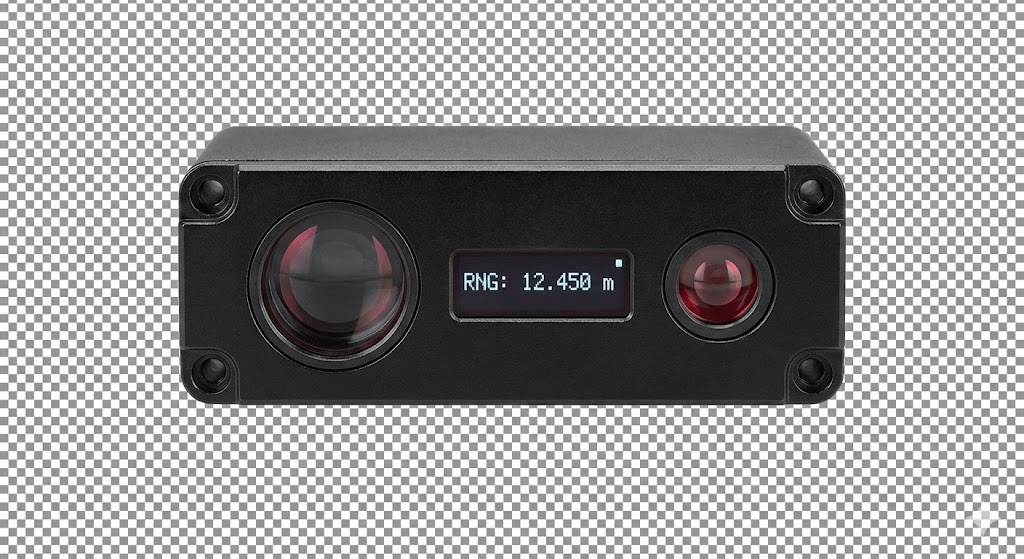
One common application is in thickness measurement, where the sensor exploits interference patterns created by laser light reflecting off both the top and bottom surfaces of the thin film. By analyzing the phase shift or intensity changes in the interference fringes, the sensor can calculate the film's thickness with nanometer-level precision. This is crucial in industries like semiconductor manufacturing, where consistent film deposition is essential for device performance. Another key use is in vibration sensing, where the thin film acts as a sensitive element that deforms under mechanical stress, altering the laser's reflection angle or path length. This allows for real-time monitoring of machinery health, helping to prevent failures in electrical systems and industrial equipment.

The advantages of thin-film laser sensors include their non-contact nature, which minimizes wear and contamination, and their high resolution, enabling measurements in challenging environments. They are also compact and can be integrated into automated systems for continuous monitoring. However, challenges such as sensitivity to environmental noise (e.g., ambient light or temperature fluctuations) require careful calibration and shielding. Innovations in materials science, like the development of adaptive thin films with self-tuning properties, are enhancing their robustness and expanding applications in smart grids, robotics, and quality control.
In summary, thin-film laser sensors leverage optical principles and advanced material engineering to provide precise, reliable sensing solutions. As industries demand higher accuracy and efficiency, these sensors are poised to play a pivotal role in advancing electrical engineering and automation, driving improvements in safety, productivity, and innovation.