In the dynamic field of electrical engineering and infrastructure management, the advent of pre-stressed laser sensors marks a significant technological leap. These sophisticated devices are engineered to measure and monitor the stress, strain, and deformation in critical structural components with unparalleled precision. Unlike conventional strain gauges or piezoelectric sensors, pre-stressed laser sensors utilize advanced laser interferometry or laser displacement principles to detect minute changes in the position or shape of a target surface. The core innovation lies in their pre-stressed design, where the sensor itself is calibrated under a known tension or compression state. This pre-conditioning enhances sensitivity, reduces hysteresis, and ensures long-term stability, even in harsh operational environments typical of electrical substations, power generation facilities, and high-voltage transmission systems.
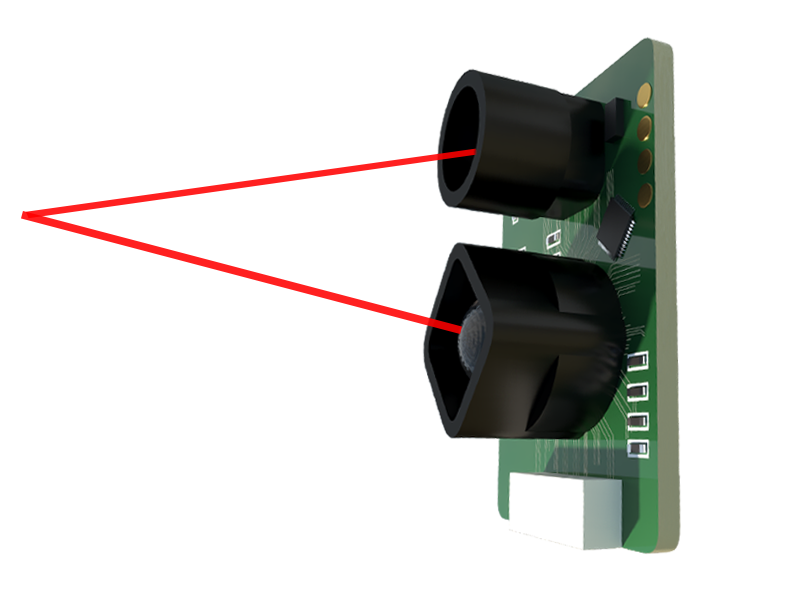
The operational principle is grounded in the interaction between a coherent laser beam and the structural surface. When a structure, such as a transformer bushing, a turbine blade, or a support tower, experiences stress due to thermal expansion, mechanical load, or vibrational forces, its surface undergoes subtle displacement. The pre-stressed laser sensor emits a focused laser beam onto a reflective target or the material surface. Any deformation alters the path length or reflection angle of the beam, which is precisely captured by a high-resolution photodetector array within the sensor. Through sophisticated signal processing algorithms—often involving Fourier transform analysis or phase-shift detection—the system converts these optical variations into quantitative data on micro-strain or displacement, typically with resolutions in the nanometer range. This real-time data is crucial for predictive maintenance, allowing engineers to identify stress concentrations, fatigue cracks, or abnormal deformations long before they escalate into catastrophic failures.
Applications within the electrical industry are vast and transformative. In power generation, these sensors are deployed on rotor shafts and stator frames of large generators to monitor dynamic balancing and thermal stress during operation. For transmission infrastructure, they are installed on overhead line conductors and insulator strings to measure sag, tension, and ice-loading effects, directly contributing to grid reliability and anti-icing strategies. Within substations, pre-stressed laser sensors monitor the structural integrity of circuit breaker housings and capacitor banks, where mechanical stress from frequent switching operations can compromise safety. Furthermore, in the burgeoning sector of renewable energy, they are indispensable for monitoring wind turbine blades and solar tracker mounts, optimizing performance and lifespan under cyclic environmental loads.
The integration of these sensors with the Industrial Internet of Things (IIoT) and cloud-based analytics platforms represents the frontier of smart infrastructure. Wireless-enabled pre-stressed laser sensors can transmit continuous data streams to centralized monitoring systems, where machine learning algorithms analyze trends, predict remaining useful life, and trigger automated alerts. This shift from periodic manual inspections to continuous, remote monitoring not only slashes operational costs but also dramatically enhances safety margins. For instance, by detecting anomalous stress patterns in a critical bushing, a utility can schedule proactive replacement during a planned outage, avoiding unplanned downtime or hazardous incidents.
However, deployment challenges persist. Ensuring long-term calibration stability in fluctuating temperatures and electromagnetic interference-rich environments requires robust sensor housing and advanced compensation circuitry. The initial capital investment for high-precision laser sensor systems is substantial, though the return on investment through avoided failures and extended asset life is compelling. Future developments are focusing on multi-parameter sensing capabilities, where a single sensor node can concurrently measure stress, temperature, and vibration, and on miniaturization using MEMS (Micro-Electro-Mechanical Systems) technology for embedded applications.
In conclusion, pre-stressed laser sensors are not merely incremental improvements but foundational tools for the next generation of structural health monitoring. By providing accurate, real-time insights into the mechanical state of electrical assets, they empower engineers to transition from reactive repairs to predictive and prescriptive maintenance paradigms. As electrical infrastructures age and face increasing demands, the adoption of such precision monitoring technologies becomes imperative for ensuring resilience, efficiency, and safety in the power systems of the future.
