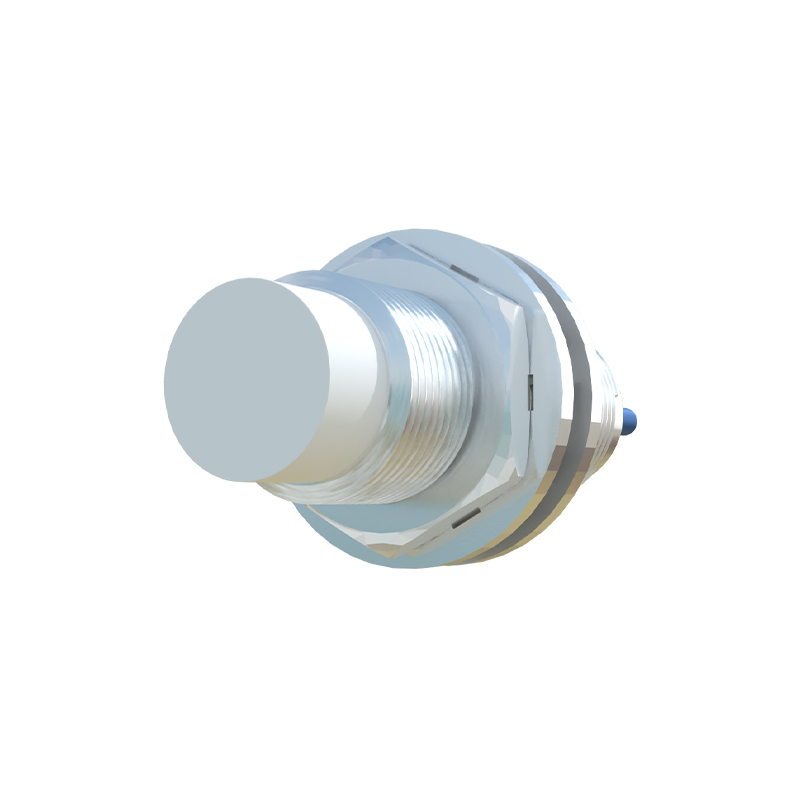
Proximity sensors are ubiquitous in modern industrial automation, consumer electronics, and automotive systems. Among the various technologies employed, those utilizing magnetic fields for detection hold a significant position due to their reliability, non-contact nature, and robustness in harsh environments. Understanding the principles behind the magnetic fields generated and sensed by these devices is crucial for effective selection, integration, and troubleshooting.
At its core, a magnetic proximity sensor operates by detecting changes in a magnetic field. The most common implementation involves a permanent magnet and a sensing element. The magnet, typically attached to the target object, creates a static magnetic field. As the target moves, the magnetic field at the sensor's location changes in strength or direction. The sensing element, often a Hall-effect integrated circuit (IC) or a magnetoresistive element, converts this magnetic flux variation into an electrical signal, typically a voltage switch or a proportional analog output. Another prevalent type is the inductive proximity sensor, which generates its own alternating electromagnetic field. When a metallic target enters this field, eddy currents are induced in the target, causing a measurable change in the sensor's internal oscillation circuit. While inductive sensors detect conductive materials, magnetic sensors specifically respond to the presence of a magnetic field source.
The characteristics of the magnetic field are paramount. Key parameters include field strength, polarity, and spatial distribution. Sensor sensitivity must be matched to the magnet's strength and the required operating distance, known as the sensing range. Engineers must consider the magnetic field's decay over distance, which follows an inverse power law. Shielding and external magnetic interference from motors, transformers, or other sensors can significantly impact performance. Proper mounting, using materials like stainless steel (which is typically non-magnetic for common grades like 304) for brackets, and maintaining precise air gaps are essential design practices. For Hall-effect sensors, the orientation of the magnetic field vector—whether it is perpendicular (for standard Hall sensors) or parallel (for some specialized types)—is critical for correct activation.
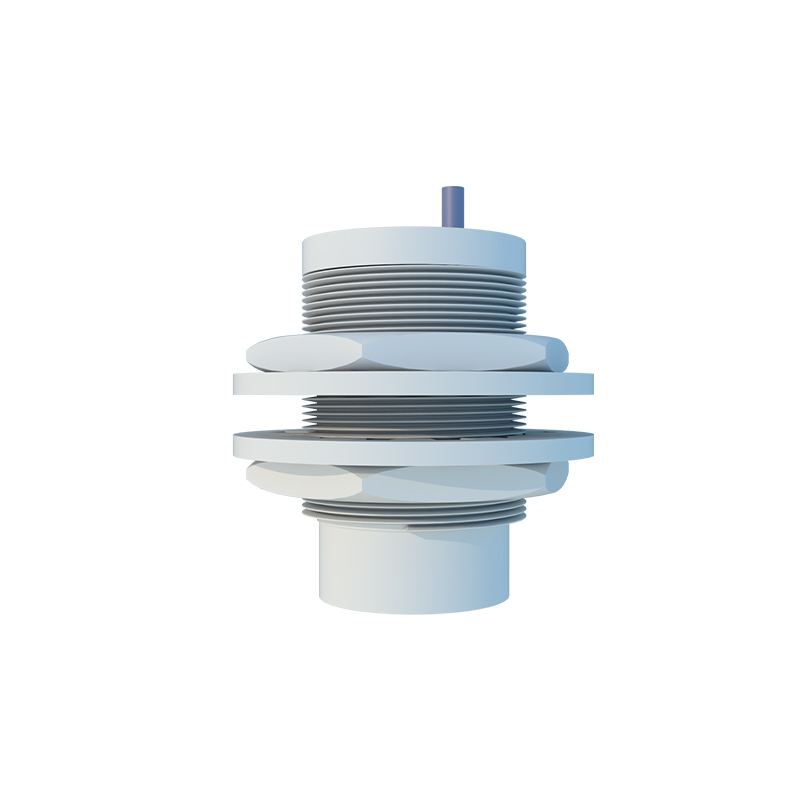
Applications are diverse. In automotive systems, magnetic sensors monitor wheel speed for anti-lock braking systems (ABS), detect gear position in transmissions, and sense seatbelt buckle status. In industrial settings, they provide precise position feedback for cylinders, limit switches on linear actuators, and RPM monitoring on rotating shafts. Consumer electronics use miniature magnetic sensors for laptop lid-open/close detection and smartphone flip covers. Their ability to function through non-magnetic barriers like plastic, glass, or aluminum makes them ideal for sealed or hygienic applications where physical contact is undesirable.

Designing a system with magnetic proximity sensors involves several considerations. First, select the appropriate technology: Hall-effect for digital on/off sensing or linear position, magnetoresistive for higher sensitivity and directional sensing, or reed switches for simple, low-power applications. Second, choose the magnet material (e.g., neodymium for strong fields, ferrite for cost-effective solutions) and its geometry to shape the field. Third, account for environmental factors such as temperature, which can affect both magnet strength and sensor electronics. High temperatures can demagnetize certain magnets, while extreme cold can alter semiconductor properties. Finally, implement necessary signal conditioning, such as debouncing circuits for digital outputs or amplification for analog signals, to ensure clean communication with control systems like PLCs or microcontrollers.
Installation and maintenance also require attention. Ensuring the correct alignment between the sensor and the magnet is often necessary for maximum range and repeatability. Users should verify the sensor's switching behavior (normally open or normally closed) matches the control logic. Regular maintenance involves checking for physical damage, buildup of ferrous debris (which can attract to the magnet and alter the field), and verifying the output signal under operational conditions. Troubleshooting often involves using a Gauss meter to measure the actual magnetic field strength at the sensor face to confirm it meets the device's specified actuation threshold.
In conclusion, the effective operation of magnetic-based proximity sensors hinges on a deep appreciation of magnetic field interactions. From selecting the right sensor-magnet pair to meticulous installation and environmental hardening, every step influences reliability. As technology advances, sensors are becoming more integrated, smarter with built-in diagnostics, and capable of operating in wider temperature ranges and stronger interfering fields. A solid grasp of the fundamental magnetic principles enables engineers to leverage these versatile components to build more robust, efficient, and intelligent automated systems across countless industries.