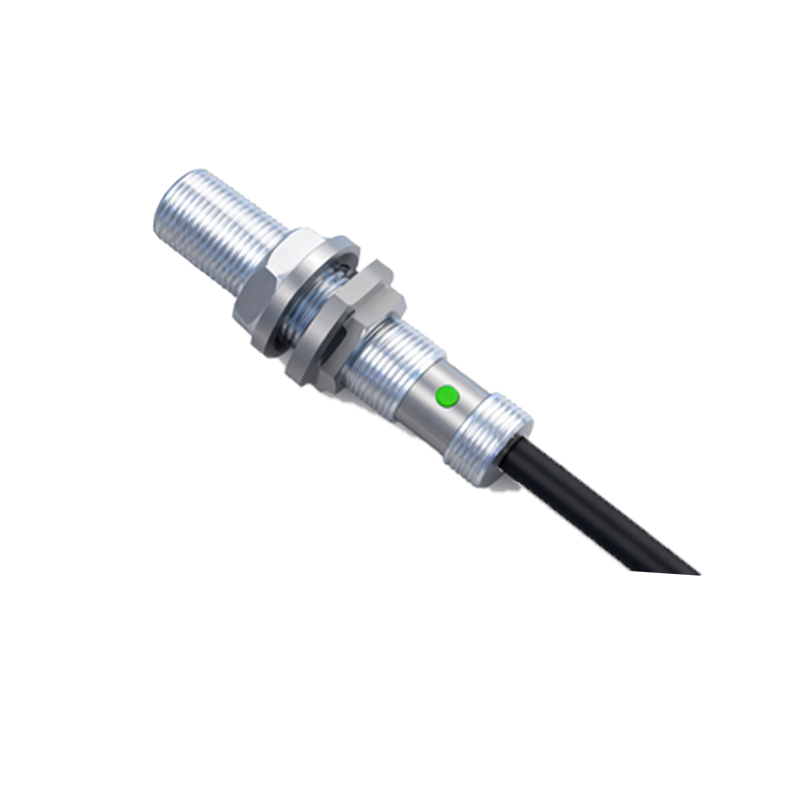
In the world of automation and smart technology, sensing the environment is fundamental. Among the diverse array of sensors, vision proximity sensors stand out as a sophisticated and versatile solution for non-contact detection and measurement. Unlike simple infrared or ultrasonic proximity sensors, these devices integrate imaging capabilities to provide rich, contextual data about an object's presence, distance, and sometimes even its characteristics.
At its core, a vision proximity sensor is a compact, self-contained system. It typically consists of a light source (often an LED or laser), a lens, and an image sensor, such as a CMOS or CCD chip, all controlled by an onboard processor. The principle of operation is elegantly straightforward. The sensor projects a pattern of light, usually a focused beam or a structured pattern, onto the target area. The reflected light is then captured by the image sensor. The onboard processor analyzes this image in real-time. By calculating parameters like the position of the light spot, the triangulation angle, or the deformation of a projected pattern, the sensor can precisely determine the distance to an object. This allows it to function as a highly accurate proximity detector, capable of sensing objects within a defined range without any physical contact.
The advantages of this technology are significant. First and foremost is precision. Vision proximity sensors can achieve sub-millimeter accuracy, far surpassing many traditional methods. They are also remarkably versatile. By analyzing the captured image, some advanced models can distinguish between different objects, ignore background interference, or even perform basic inspections for orientation or surface defects. Furthermore, they are largely immune to environmental factors that plague other sensors. Color, texture, and material of the target object have minimal effect on their performance compared to standard photoelectric sensors. They also handle challenging surfaces—like shiny, transparent, or dark materials—more reliably.
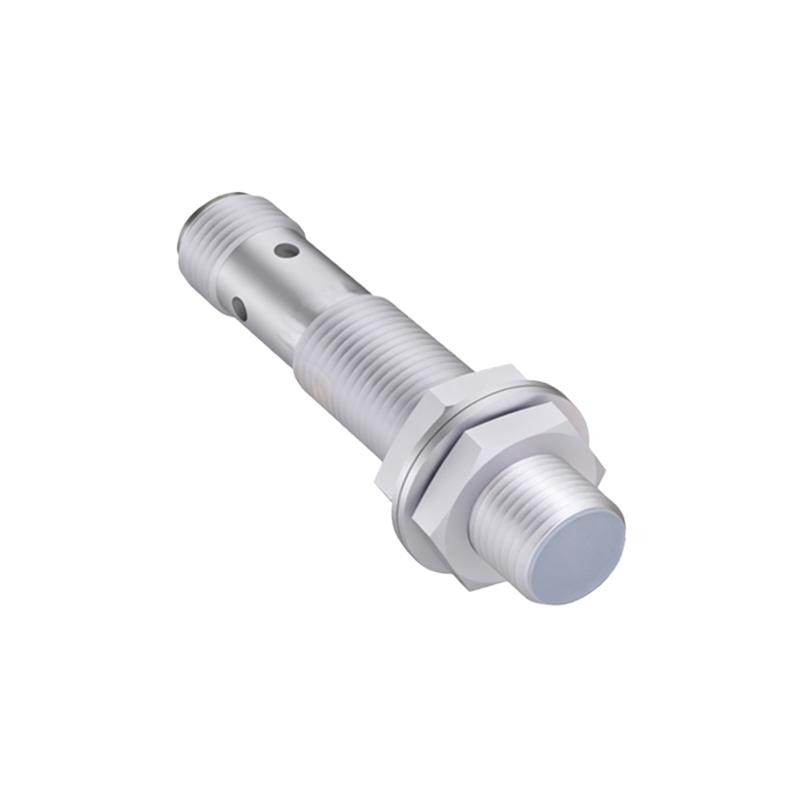
The applications of vision proximity sensors are vast and growing. In industrial automation, they are indispensable on assembly lines. They ensure precise positioning of components for robotic arms, verify the presence of parts in complex fixtures, and control the exact fill level in bottling or packaging machinery. Their ability to work with reflective surfaces makes them perfect for inspecting semiconductor wafers or glass panels. In the automotive sector, they are deployed in advanced driver-assistance systems (ADAS) for short-range object detection during parking maneuvers. Consumer electronics represent another major frontier. They are the enabling technology behind features like automatic screen dimming in smartphones and tablets when held close to the face during a call, conserving battery life. They also play a role in gesture recognition interfaces, where a simple hand wave near the sensor can trigger an action.
When selecting a vision proximity sensor, several key specifications must be considered. The sensing range is paramount, varying from a few millimeters to several meters depending on the model. Resolution defines the smallest distance change the sensor can detect. The response time, or how quickly the sensor can process a detection and output a signal, is critical for high-speed applications. Environmental ratings for dust and water resistance (IP ratings) are essential for use in harsh industrial settings. Finally, the output type—whether digital (PNP/NPN), analog (4-20mA, 0-10V), or via a fieldbus protocol—must be compatible with the existing control system.
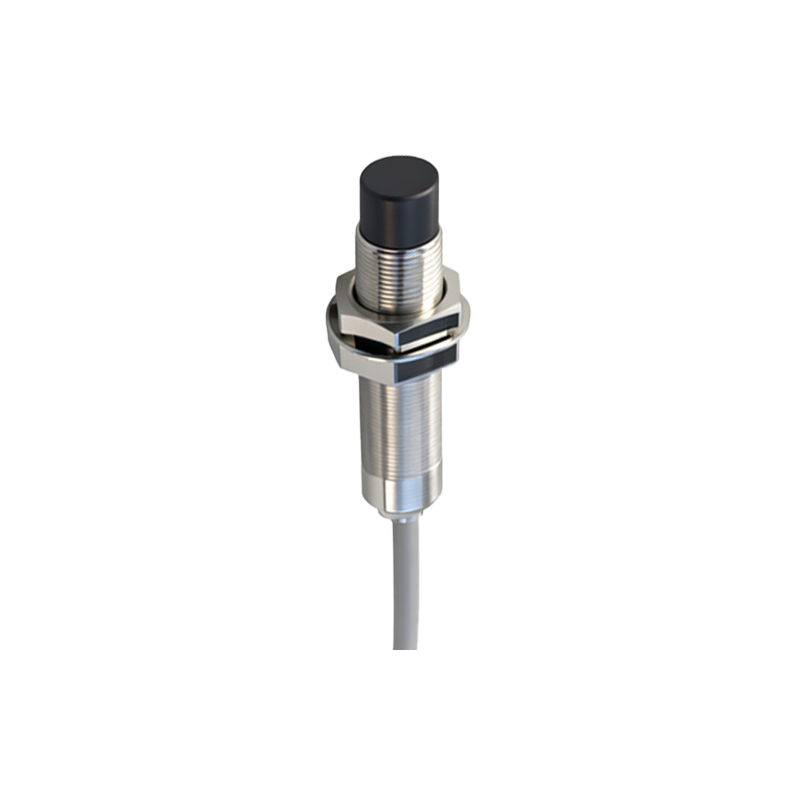
Looking ahead, the integration of vision proximity sensors with artificial intelligence and machine learning is set to unlock even greater potential. Smart sensors will not only detect presence and distance but will also be able to classify objects, track movements, and make predictive decisions based on visual data trends. This evolution will further blur the line between sensing and perception, embedding a higher level of intelligence into machines and systems across manufacturing, logistics, and everyday consumer products. Their combination of accuracy, robustness, and rich data output ensures they will remain a cornerstone of modern sensing technology.