In industrial automation and robotics, proximity sensing plays a critical role in enabling precise, contactless detection of objects. Among various sensing technologies, the circular proximity sensor platform has emerged as a highly versatile and reliable solution. This platform typically integrates multiple sensing elements arranged in a circular pattern, allowing for omnidirectional detection within a defined range. Unlike single-point sensors, the circular design provides a wider field of sensing, reducing blind spots and improving system reliability.
The core principle behind circular proximity sensors often involves inductive, capacitive, or photoelectric technologies. Inductive variants are ideal for detecting metallic objects, utilizing electromagnetic fields generated by coils in the circular array. Capacitive sensors can detect both metallic and non-metallic materials by measuring changes in capacitance. Photoelectric circular sensors use light beams, often infrared, to sense objects. The circular arrangement enables these sensors to cover 360 degrees, making them suitable for applications where objects may approach from any direction.
One of the key advantages of a circular proximity sensor platform is its ability to provide consistent performance in harsh environments. Many models are built with robust housings, often rated IP67 or higher, protecting against dust, moisture, and mechanical impacts. This durability ensures long-term operation in manufacturing plants, automotive assembly lines, and outdoor installations. Additionally, the platform's design minimizes interference between sensing points, leading to accurate and repeatable readings.
Integration into existing systems is straightforward, thanks to standardized output signals such as PNP, NPN, analog voltage, or IO-Link. The IO-Link communication capability, in particular, allows for advanced diagnostics, parameter adjustments, and data exchange with control units. This smart feature supports predictive maintenance, as users can monitor sensor health and performance trends remotely, reducing downtime and maintenance costs.
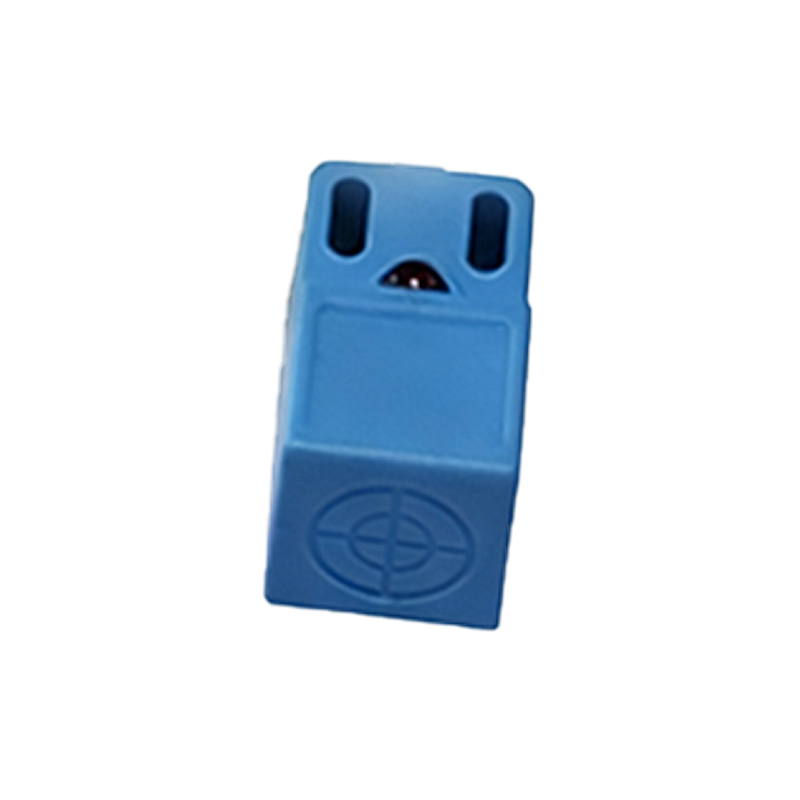
Applications for circular proximity sensor platforms are diverse. In robotics, they are used for collision avoidance and object positioning. On conveyor systems, they detect the presence, orientation, or passage of items. In automated guided vehicles (AGVs), these sensors help in navigation and obstacle detection. The food and beverage industry benefits from their use in fill-level monitoring and packaging, where hygiene and reliability are paramount.
When selecting a circular proximity sensor platform, factors like sensing range, response time, material compatibility, and environmental conditions must be considered. Advances in miniaturization and signal processing have led to more compact designs with enhanced sensitivity. Future trends may include integration with AI for adaptive sensing and increased use in collaborative robotics, where safety and precision are critical.
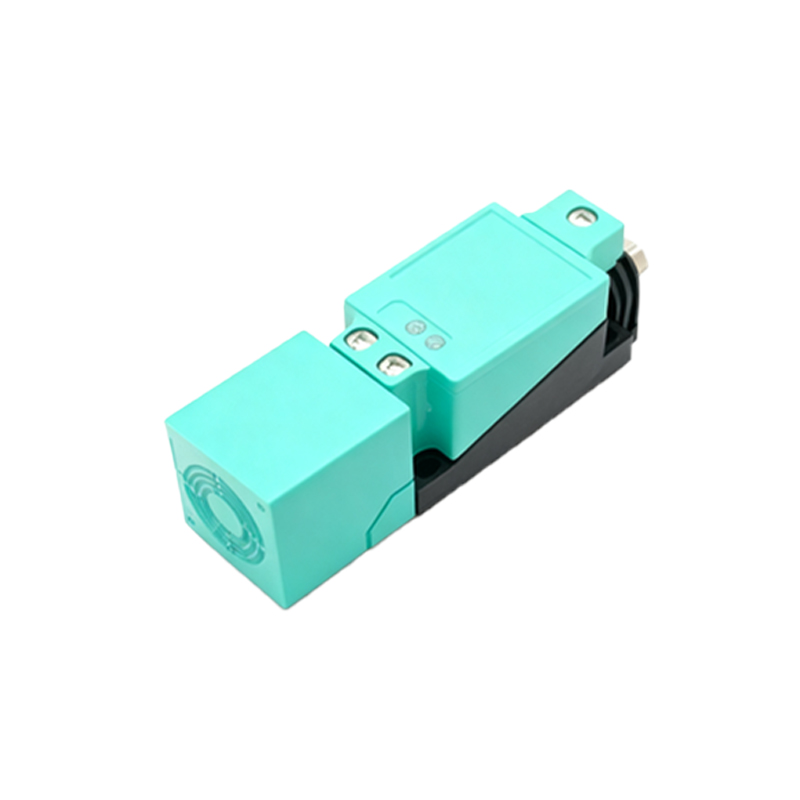
Overall, the circular proximity sensor platform represents a significant evolution in sensing technology. Its omnidirectional capability, combined with ruggedness and smart features, makes it an essential component in modern automated systems. By providing reliable, contactless detection, it enhances efficiency, safety, and productivity across various industries.