In the dynamic landscape of industrial automation and precision measurement, Kaohsiung laser distance sensors have emerged as pivotal components, driving efficiency and accuracy across diverse sectors. These sensors, leveraging advanced laser technology, offer non-contact measurement solutions that are essential for modern manufacturing, construction, logistics, and robotics. As a seasoned electrical engineer with extensive experience in sensor integration, I delve into the technical nuances, applications, and benefits of these high-performance devices, tailored to meet the rigorous demands of global industries.
Laser distance sensors operate on the principle of time-of-flight or phase-shift measurement, where a laser beam is emitted toward a target, and the reflected light is analyzed to calculate distance with exceptional precision. Kaohsiung-based manufacturers have refined this technology, incorporating features such as high-speed data processing, robust housing for harsh environments, and adaptive algorithms for varying surface conditions. Typical accuracy ranges from sub-millimeter to a few millimeters, with measurement distances extending from a few centimeters to several hundred meters, depending on the model and application requirements.
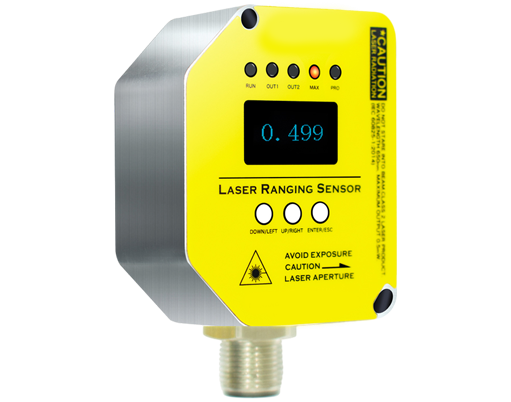
One of the key advantages of Kaohsiung laser sensors is their versatility. In manufacturing, they are deployed for quality control, ensuring dimensional accuracy in assembly lines, monitoring material levels in silos, and guiding robotic arms for precise positioning. The construction industry benefits from these sensors in surveying tasks, alignment of structural components, and monitoring deformations in real-time. Logistics and warehousing utilize them for inventory management, palletizing, and automated guided vehicle (AGV) navigation, enhancing operational throughput and reducing human error.
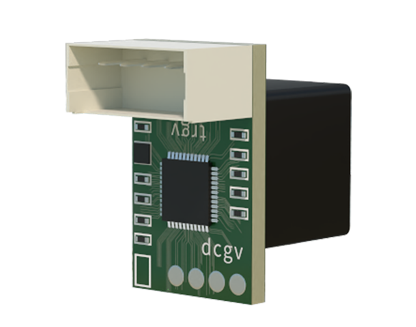
From an engineering perspective, selecting the right laser distance sensor involves evaluating parameters like resolution, response time, environmental resistance (e.g., IP ratings for dust and water protection), and communication interfaces (e.g., analog outputs, digital protocols like Modbus or Ethernet). Kaohsiung models often excel in these areas, offering customizable options to integrate seamlessly with existing control systems. For instance, sensors with high-frequency sampling rates are ideal for dynamic applications, while those with enhanced thermal stability perform reliably in fluctuating temperatures common in outdoor or industrial settings.
Moreover, the integration of smart features, such as IoT connectivity and data logging, has transformed Kaohsiung laser sensors into integral parts of Industry 4.0 ecosystems. They facilitate predictive maintenance by detecting anomalies in machinery, contribute to energy savings through optimized processes, and support data-driven decision-making. Engineers must consider factors like calibration requirements, maintenance schedules, and compatibility with software platforms to maximize sensor lifespan and performance.
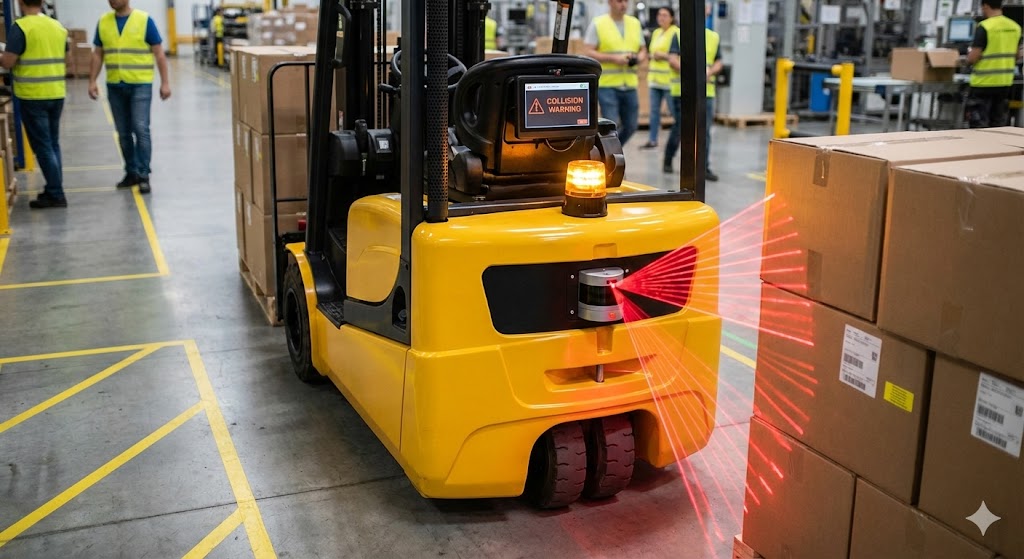
In practice, case studies highlight the impact of these sensors. A Taiwanese electronics manufacturer reported a 20% increase in production efficiency after implementing Kaohsiung laser sensors for PCB inspection, reducing defects and downtime. Similarly, a port authority in Asia adopted these sensors for crane automation, improving container handling safety and speed. Such examples underscore the reliability and innovation embedded in Kaohsiung's engineering prowess.
Looking ahead, trends indicate a shift toward miniaturization, enhanced accuracy with AI-driven calibration, and greater emphasis on sustainability through energy-efficient designs. Kaohsiung is poised to lead these advancements, leveraging its industrial expertise and collaborative R&D initiatives. For engineers and industry stakeholders, staying updated on these developments is crucial for maintaining competitive edge.
In conclusion, Kaohsiung laser distance sensors represent a fusion of precision engineering and practical utility, addressing the evolving needs of global industries. Their non-contact nature, coupled with high reliability and adaptability, makes them indispensable tools in the quest for automation and quality assurance. As technology progresses, these sensors will continue to evolve, offering even greater value in an interconnected industrial world.