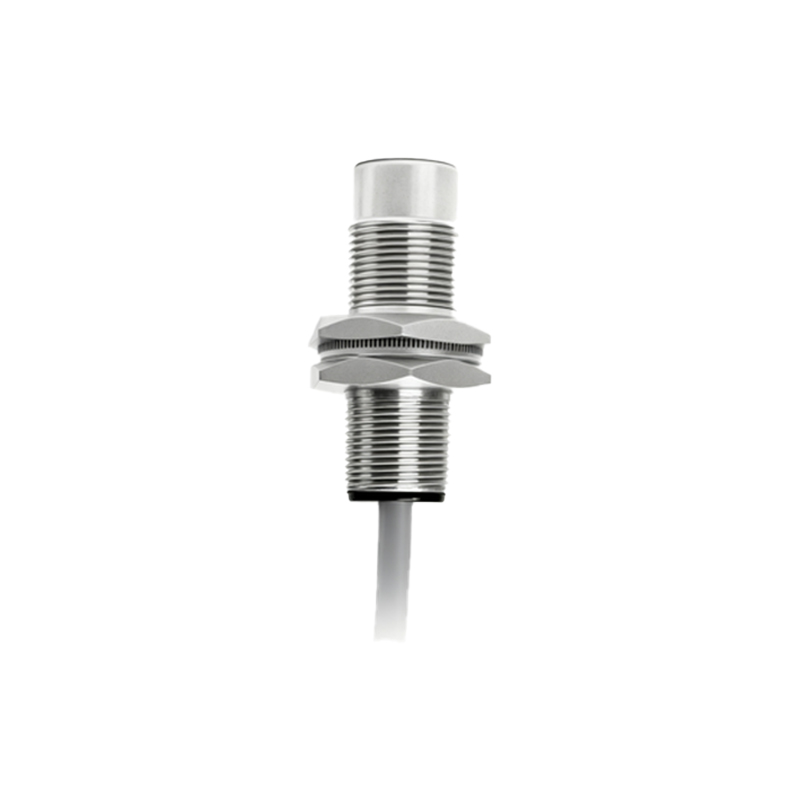
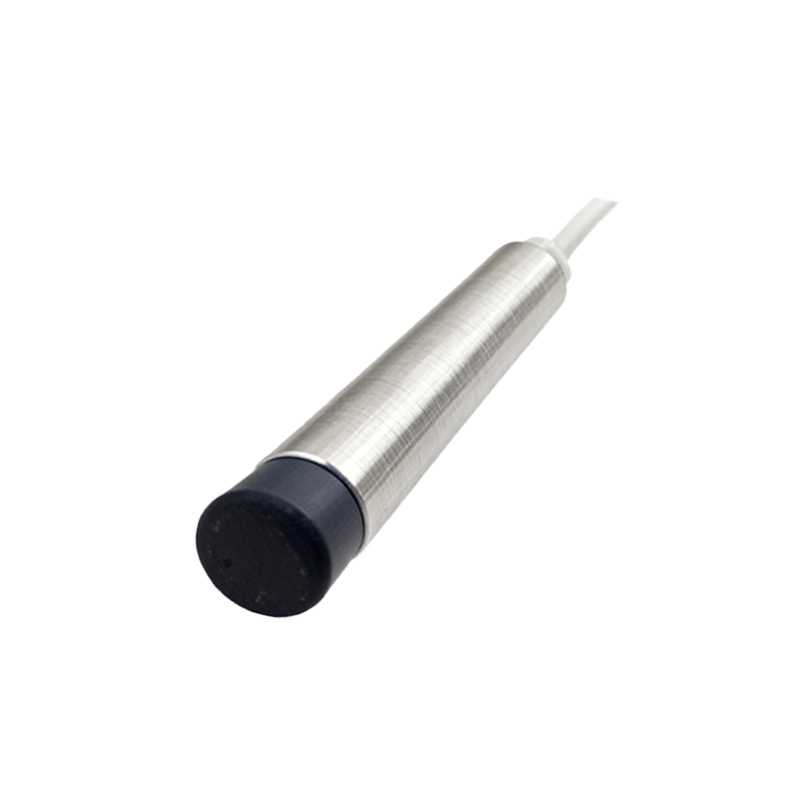
Proximity sensors are pivotal components in modern industrial automation, offering non-contact detection of objects within a specific range. These devices operate based on various physical principles, primarily electromagnetic, capacitive, and inductive mechanisms, each tailored to distinct applications. Electromagnetic proximity sensors, often utilizing Hall effect or magnetostrictive technologies, detect magnetic fields generated by ferrous objects. They are renowned for their high precision and durability in harsh environments, such as automotive assembly lines or metalworking machinery. Capacitive sensors, on the other hand, respond to changes in capacitance caused by the presence of any material, including non-metallic substances like plastics or liquids. This versatility makes them ideal for level detection in tanks or packaging industries. Inductive sensors, the most common type, generate an electromagnetic field to detect metallic objects without physical contact, ensuring minimal wear and tear. They are extensively used in manufacturing for position sensing, counting, and safety interlocks.
The operational efficiency of proximity sensors hinges on their design parameters, including sensing distance, response time, and environmental resistance. Sensing distance, typically ranging from a few millimeters to several centimeters, must be calibrated to avoid false triggers. Response time, often in microseconds, is critical for high-speed applications like conveyor systems or robotic arms. Moreover, industrial-grade sensors are built to withstand extreme conditions, such as temperature fluctuations, moisture, and vibration, complying with standards like IP67 or NEMA ratings. Advanced models incorporate self-diagnostic features and digital interfaces, such as IO-Link, enabling real-time monitoring and integration with Industrial Internet of Things (IIoT) platforms. This connectivity facilitates predictive maintenance, reducing downtime and enhancing productivity.
In practice, selecting the right proximity sensor involves evaluating material composition, object size, and operational context. For instance, in food processing, stainless steel housings and washdown capabilities are essential to meet hygiene standards. Meanwhile, in mining or construction, ruggedized sensors with enhanced shock resistance are preferred. The evolution of smart sensors has further expanded their utility, allowing for adaptive sensing thresholds and data logging. As industries embrace automation and Industry 4.0 initiatives, proximity sensors continue to evolve, incorporating energy-efficient designs and wireless capabilities. Their role in enabling precise, reliable detection underscores their indispensability in sectors from aerospace to consumer electronics, driving innovation and operational excellence.
Overall, proximity sensor mechanisms represent a convergence of physics and engineering, offering tailored solutions for diverse industrial challenges. By understanding their principles and applications, engineers can optimize system performance, ensuring safety, efficiency, and sustainability in automated processes.