In industrial automation and process control systems, proximity level switch sensors are critical components for monitoring and controlling liquid levels in tanks, vessels, and silos. These non-contact sensors, often utilizing technologies like ultrasonic, capacitive, or inductive principles, offer reliable operation in diverse and often harsh environments. However, like any industrial device, they are susceptible to failure, which can lead to process disruptions, safety hazards, and significant financial losses. This article delves into the common causes of proximity level switch sensor malfunctions, provides a systematic troubleshooting methodology, and offers best practices for prevention and maintenance.
A primary category of failure stems from environmental factors. Sensor performance is highly dependent on the operating conditions. For instance, the accumulation of dust, dirt, or process material (like slurry buildup or coating) on the sensor's face can severely attenuate or reflect the emitted signal, causing false readings or a complete loss of detection. Extreme temperatures beyond the sensor's specified range can affect electronic components and signal stability. High humidity or condensation inside the housing can lead to short circuits or corrosion. Furthermore, chemical compatibility is paramount; aggressive process media can degrade sensor materials, seals, and diaphragms over time, leading to leaks or signal drift.
Electrical and installation issues constitute another major failure source. Incorrect wiring, such as reversed polarity or improper grounding, can instantly damage the sensor's internal circuitry. Voltage spikes and electrical noise from nearby heavy machinery (EMI/RFI interference) can cause erratic switching behavior or permanent damage to sensitive electronics. Improper installation is frequently overlooked. Mounting the sensor at an incorrect angle, in a location prone to turbulence or foam, or too close to tank walls or internal structures (like agitators or ladders) can create false echoes or blind spots, compromising measurement accuracy.
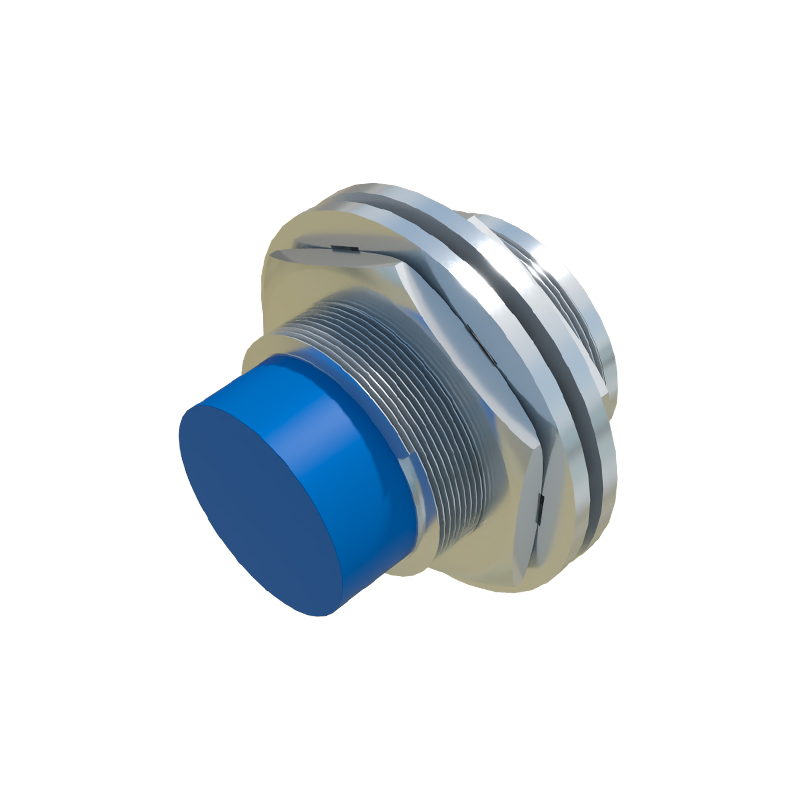
Sensor-specific technology failures also occur. In ultrasonic sensors, a common issue is the degradation or fouling of the transducer surface, which affects sound wave transmission. Changes in the speed of sound due to variations in vapor composition, temperature, or pressure can lead to significant measurement errors if not compensated for. Capacitive sensors can be affected by changes in the dielectric constant of the material being sensed or by conductive buildup on the probe. General electronic failures include aging components, faulty power supplies, and output relay failures.
A structured troubleshooting approach is essential for diagnosing these issues. Begin with a visual inspection. Check for obvious physical damage, corrosion, leaks, or excessive buildup on the sensor. Verify the integrity of the housing, cable, and conduit entries. Next, consult the process conditions. Have there been any changes in the material properties (density, viscosity, dielectric constant), temperature, or pressure? Review maintenance logs for recent work in the area that might have affected the sensor.
Electrical verification is a critical step. Using a multimeter, check the supply voltage at the sensor terminals to ensure it is within the specified range. Verify the output signal (e.g., mA for analog, voltage state for switching) under known conditions—for instance, when the sensor is in air versus when it is submerged in the medium. For programmable sensors, connect to the configuration software (if accessible) to review settings and diagnostic parameters. Many modern sensors provide built-in diagnostics for signal strength, echo quality, or electrical integrity.
If the sensor passes electrical checks but still provides incorrect level data, the problem likely lies in the application or environment. Perform a functional test by simulating level changes with a target at a known distance. For ultrasonic sensors, listen for the characteristic clicking sound (if applicable) to confirm transducer activity. Check for new sources of interference, such as recently installed motors, variable frequency drives (VFDs), or welding equipment. Ensure that the sensor's sensing range and blind zone are correctly configured for the current tank geometry and process.
Preventive maintenance is key to maximizing sensor lifespan and reliability. Establish a regular cleaning schedule based on the fouling propensity of the process material. Use appropriate chemical-resistant materials and protective housings (e.g., PTFE coatings for ultrasonic transducers). Ensure proper electrical installation with shielded cables, dedicated conduits away from power lines, and correct grounding practices. Implement surge protection devices on power and signal lines in areas prone to lightning or switching transients. Regularly calibrate sensors according to the manufacturer's guidelines, especially after any process changes or maintenance activities. Keeping detailed records of all calibrations, environmental conditions, and failure incidents aids in identifying recurring issues and planning proactive replacements.
In conclusion, proximity level switch sensor failures are rarely random. They typically result from identifiable causes related to environment, installation, electrical integrity, or application mismatch. By understanding these failure modes, employing a logical troubleshooting sequence, and adhering to a rigorous preventive maintenance regimen, engineers and technicians can ensure high availability, accuracy, and safety in level monitoring applications, thereby safeguarding continuous process operations.