Linear profile laser sensors represent a significant advancement in non-contact measurement technology, widely utilized across manufacturing, electronics, automotive, and robotics sectors. These sensors operate by projecting a laser line onto a target surface and using a high-resolution CMOS or CCD camera to capture the profile's deformation. Through triangulation principles and sophisticated algorithms, they generate precise two-dimensional or three-dimensional data of the object's shape, height, thickness, or position. Unlike single-point laser sensors, linear profile models provide continuous cross-sectional data, enabling comprehensive inspection of surface contours, edges, gaps, and dimensional tolerances.
The core advantages of linear profile laser sensors include high-speed data acquisition, micron-level accuracy, and robust performance in challenging environments. They can detect minute defects such as scratches, dents, or warping on production lines in real-time, ensuring quality control without physical contact. In automotive assembly, these sensors verify component alignment and gap dimensions. In electronics manufacturing, they measure solder paste height or inspect micro-component placement. Their ability to function reliably under varying ambient light and with diverse materials—from reflective metals to dark plastics—makes them versatile tools.
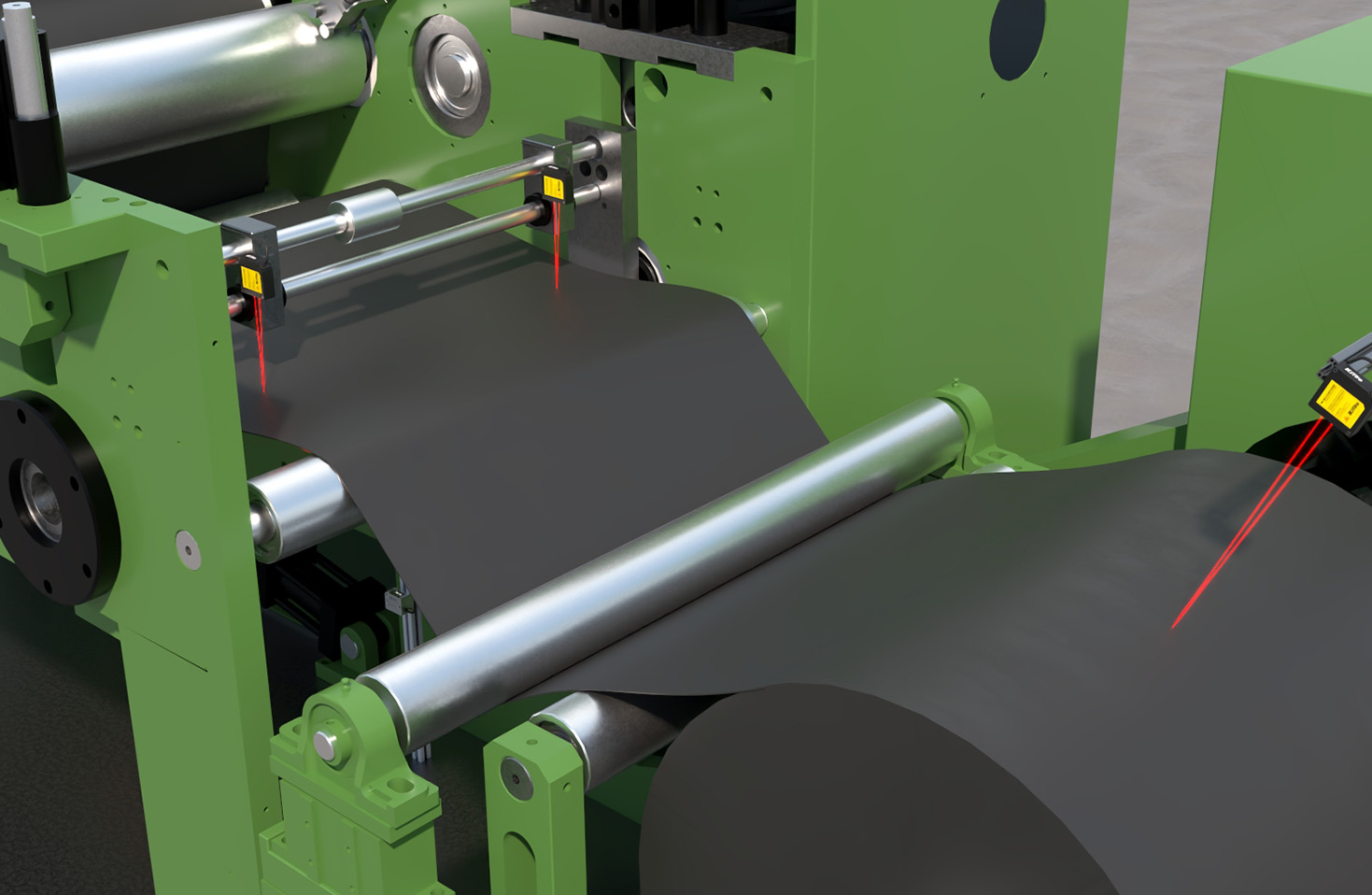
Integration with industrial systems is streamlined via standard interfaces like Ethernet/IP, PROFINET, or EtherCAT, allowing seamless data transfer to PLCs and SCADA systems. Advanced models feature embedded processors for on-site data analysis, reducing latency. When selecting a sensor, key parameters include measurement range, resolution, scanning frequency, and environmental ratings (IP67 for dust/water resistance). Proper installation involves calibrating the laser angle and camera focus to optimize accuracy.
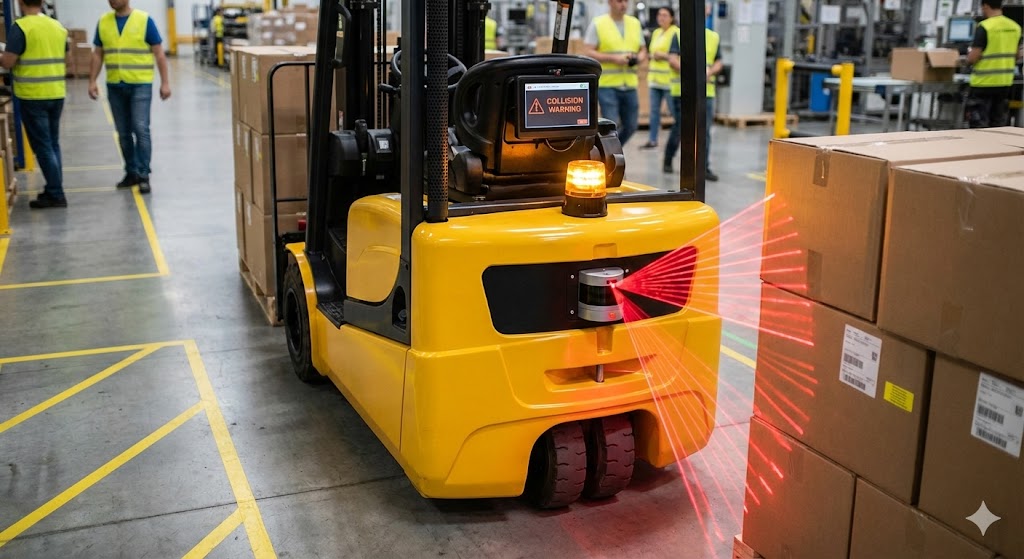
Despite their robustness, challenges like extreme surface reflectivity or transparent materials may require filters or specialized settings. Regular maintenance, such as lens cleaning and calibration checks, ensures long-term reliability. Future trends point toward miniaturization, enhanced AI-driven defect classification, and higher integration with IoT platforms for predictive maintenance. Linear profile laser sensors are indispensable for modern smart factories, driving efficiency, reducing waste, and supporting Industry 4.0 initiatives through precise, automated measurement solutions.