In the world of industrial automation and control systems, proximity sensors play a critical role in detecting the presence or absence of objects without physical contact. Selecting the right sensor for an application requires a thorough understanding of its specifications and model numbering system. This article delves into the key parameters that define proximity sensor performance and how to interpret model codes commonly used by manufacturers.
Proximity sensors are broadly categorized by their sensing technology. The most common types include inductive, capacitive, ultrasonic, and photoelectric sensors. Each type has distinct operating principles and ideal applications. Inductive sensors, for instance, detect metallic objects using electromagnetic fields and are widely used in metal detection tasks. Capacitive sensors can detect both metallic and non-metallic materials by sensing changes in capacitance, making them suitable for liquid level detection or plastic object sensing. Understanding the technology is the first step in deciphering model numbers, as it often forms the prefix or a key segment of the code.
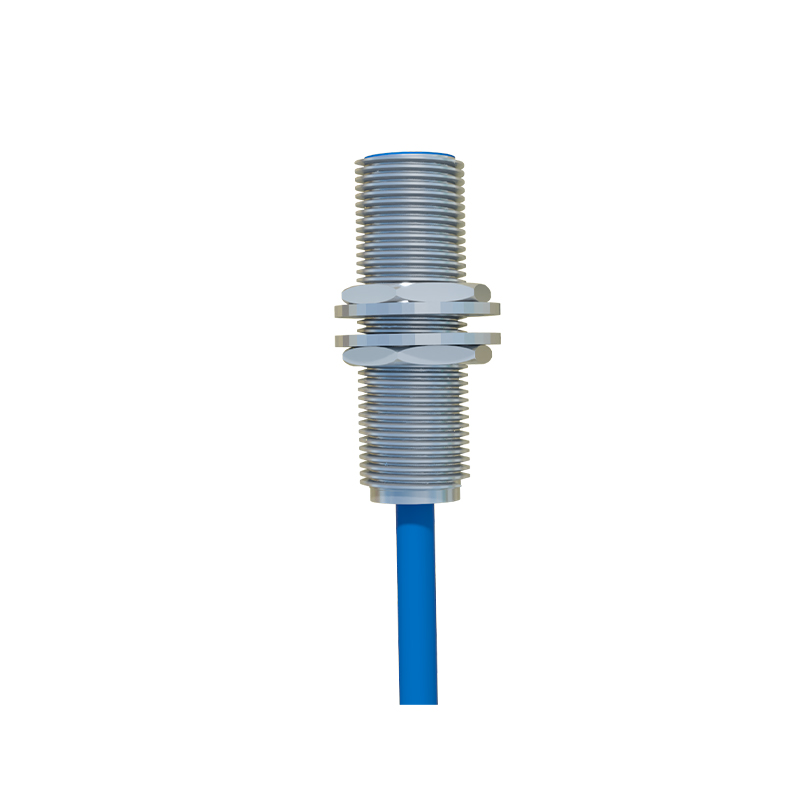
Key specifications define a sensor's operational capabilities. Sensing distance, often called nominal range, indicates the maximum distance at which the sensor can reliably detect a standard target. This parameter is crucial for ensuring proper installation and avoiding false triggers. For example, a sensor with a 10mm sensing distance must be mounted within that range for optimal performance. Another vital specification is the output type, which can be NPN (sinking) or PNP (sourcing) for DC sensors, or NO (normally open) and NC (normally closed) configurations. The output dictates how the sensor interfaces with control systems like PLCs.
Environmental ratings are equally important. Ingress Protection (IP) codes, such as IP67 or IP69K, indicate the sensor's resistance to dust and water, essential for harsh industrial environments. Operating temperature range specifies the conditions under which the sensor maintains accuracy, typically from -25°C to 70°C for standard models. Additionally, response time, measured in milliseconds, determines how quickly the sensor reacts to object detection, impacting high-speed automation processes.
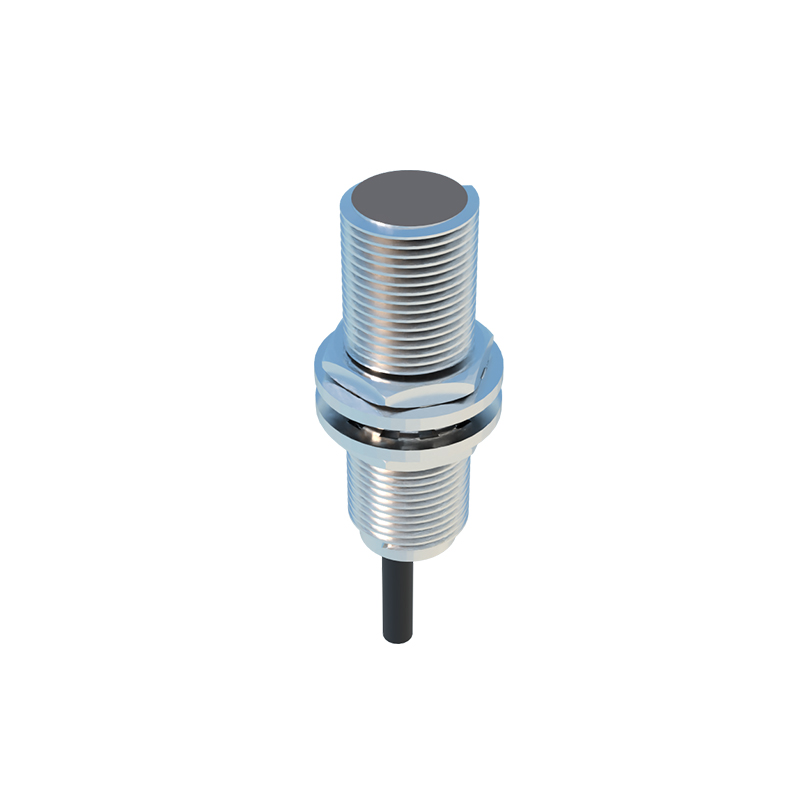
Model numbers encapsulate these specifications in a condensed format. While formats vary by manufacturer, they generally follow a logical structure. A typical model code might start with a series prefix indicating the product family (e.g., "E2E" for Omron inductive sensors). This is followed by characters denoting sensing distance, housing material (like stainless steel or plastic), output configuration, and connection type (e.g., cable or connector). Some codes include voltage ratings (12-24V DC or 90-250V AC) and special features like short-circuit protection or enhanced noise immunity.
For instance, a model number "PR12-4DN" could break down as follows: "PR" might represent a cylindrical inductive sensor, "12" the diameter in millimeters, "4" the sensing distance in millimeters, "D" for DC supply, and "N" for NPN output. Familiarizing oneself with a manufacturer's naming convention simplifies the selection process and reduces errors in procurement.
When evaluating sensors, consider application-specific needs. In food processing, sensors with hygienic designs and high IP ratings are paramount. Automotive assembly lines may require sensors with high repeat accuracy and resistance to welding spatter. Always cross-reference datasheets to confirm specifications, as model numbers alone may not capture all details like housing thread size or cable length.
In summary, proximity sensor specifications and model numbers are a language of precision. By mastering this language, engineers can ensure reliable system integration, minimize downtime, and optimize performance. As technology advances, staying updated with new standards and coding practices remains essential for leveraging the full potential of these indispensable components in modern automation.