In the realm of industrial automation and control systems, photoelectric proximity sensors stand as indispensable components for non-contact detection. These devices operate on the principle of using a light transmitter (typically an LED or laser diode) and a receiver to detect the presence, absence, or distance of an object. Unlike inductive or capacitive sensors that rely on electromagnetic fields or changes in capacitance, photoelectric sensors utilize light beams, making them versatile for detecting a wide range of materials, including glass, plastic, metal, and liquids, regardless of their electrical properties.
The core working principle involves the transmitter emitting a modulated beam of light—often infrared, visible red, or laser light. The receiver then detects changes in this light beam. There are three primary operating modes: through-beam, retro-reflective, and diffuse reflective. Through-beam sensors, also known as opposed mode sensors, consist of separate transmitter and receiver units placed opposite each other. An object is detected when it interrupts the light beam traveling from the transmitter to the receiver. This mode offers the longest sensing ranges and highest reliability, as it is less affected by the object's color, surface finish, or angle. Retro-reflective sensors house both the transmitter and receiver in a single housing. They rely on a reflector, typically a corner-cube prism, to bounce the light beam back to the receiver. Detection occurs when an object breaks this reflected beam. These sensors provide a good balance of range and ease of installation. Diffuse reflective sensors, or proximity mode sensors, also have a combined transmitter and receiver. They detect an object when the emitted light reflects off the object's surface and returns to the receiver. The sensing distance is highly dependent on the object's size, color, and surface texture, with white, reflective surfaces offering the longest range and dark, matte surfaces the shortest. Advanced versions, like background suppression and convergent beam sensors, use triangulation or focused beams to minimize the influence of background objects and surface properties.
The applications for photoelectric proximity sensors are vast and critical across numerous industries. In packaging and material handling, they are used for counting bottles, detecting labels, and monitoring fill levels. Automotive assembly lines employ them for part presence verification and robot guidance. In the food and beverage sector, their ability to detect transparent films and clear liquids is invaluable. They ensure precise positioning in printing and paper processing machinery and play a vital role in security systems for intrusion detection. Their non-contact nature prevents product damage and allows for high-speed operation, which is essential in modern high-throughput manufacturing environments.
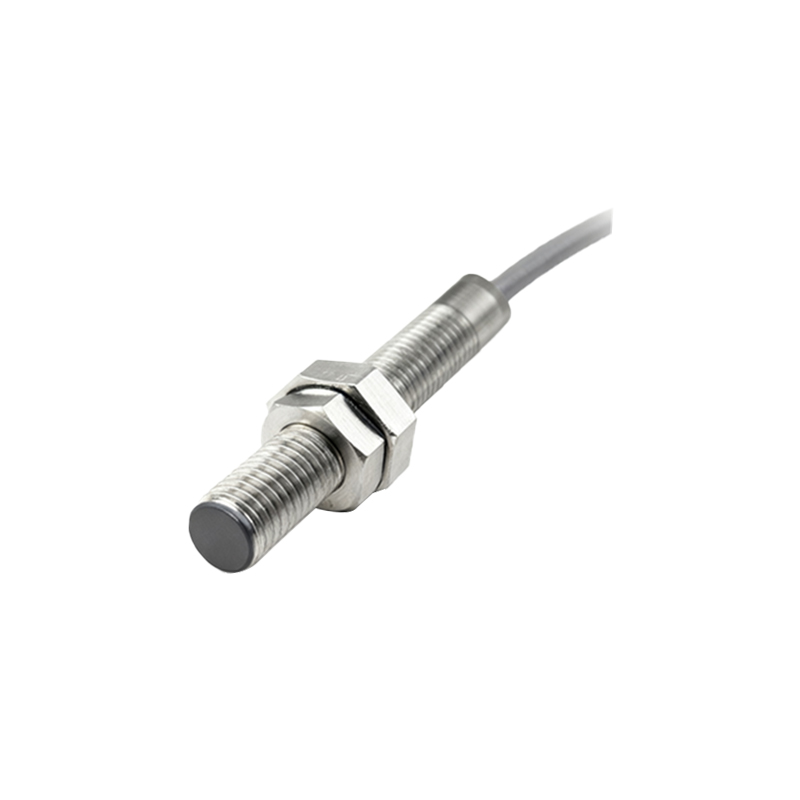
Selecting the appropriate photoelectric sensor requires careful consideration of several key parameters. First, the required sensing range and the size of the target object must be determined. Through-beam sensors are ideal for long ranges, while diffuse sensors are chosen for shorter distances where mounting space is limited. The environmental conditions are paramount. Factors such as ambient light (sunlight or factory lighting), dust, fog, steam, and temperature extremes can significantly affect performance. Sensors with robust housings (IP67, IP69K ratings), modulated LED light sources to ignore ambient light, and specialized lenses or coatings are available for harsh conditions. The output type must match the control system; common options include NPN/PNP transistor outputs, analog current/voltage outputs for distance measurement, and IO-Link for digital communication and parameterization. Response time is another critical factor for high-speed applications. Finally, the physical form factor—cylindrical, rectangular, or slot-style—must suit the mounting constraints.
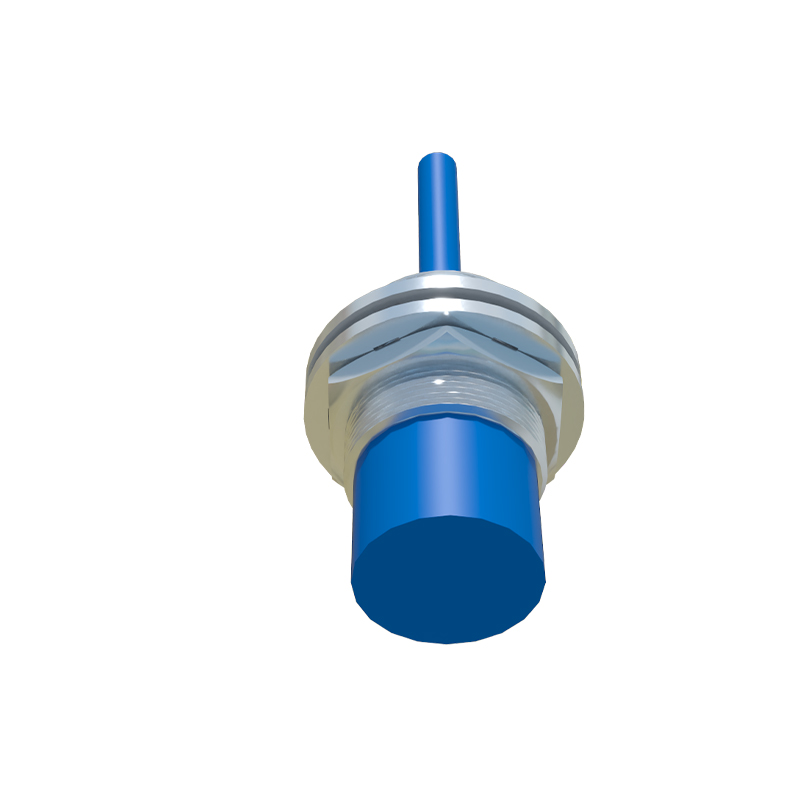
Recent advancements continue to enhance their capabilities. Laser-based sensors offer extremely small, precise spot sizes for detecting tiny objects or precise edges. Sensors with background suppression (BGS) and foreground suppression (FGS) functionalities provide precise detection windows, ignoring objects beyond or before a set distance. The integration of IO-Link communication allows for smart sensor features like remote configuration, diagnostics, and process data monitoring, facilitating predictive maintenance and Industry 4.0 connectivity. Furthermore, the development of color sensors and contrast sensors, which are specialized types of photoelectric sensors, expands their utility in quality control applications by distinguishing between colors or detecting specific marks.
In conclusion, photoelectric proximity sensors are a fundamental technology for enabling automation. Their versatility, reliability, and evolving intelligence make them a cornerstone of efficient and sophisticated control systems. A thorough understanding of their operating modes, environmental considerations, and technological features is essential for engineers and technicians to deploy the right sensor for the task, ensuring optimal system performance, reduced downtime, and improved operational safety. As automation demands grow more complex, these sensors will undoubtedly continue to evolve, offering even greater precision, connectivity, and resilience.