In the rapidly evolving landscape of industrial automation and precision engineering, laser distance sensors have emerged as indispensable tools, particularly in applications involving metal detection and measurement. These sensors utilize laser technology to accurately gauge distances, dimensions, and positions of metallic objects with exceptional speed and reliability. Unlike traditional contact-based measurement methods, laser sensors offer non-contact operation, eliminating risks of surface damage or wear, which is crucial when handling sensitive or high-value metal components.
The fundamental principle behind laser distance sensors involves emitting a focused laser beam toward a target metal surface. The sensor then detects the reflected light, calculating the distance based on the time-of-flight (ToF) or phase-shift measurement techniques. For metallic surfaces, which often have high reflectivity, specialized sensors are designed with adjustable sensitivity and advanced algorithms to prevent signal saturation and ensure accurate readings even under challenging conditions like varying surface finishes, colors, or ambient light interference.
Recent advancements have significantly enhanced the performance of laser sensors in metal-related applications. High-resolution models now achieve sub-micron accuracy, making them ideal for quality control in manufacturing processes such as automotive assembly, aerospace component inspection, and machinery alignment. For instance, in automotive production lines, laser sensors monitor the thickness of metal sheets, detect weld seam positions, and verify part dimensions in real-time, ensuring compliance with stringent tolerances. In metal fabrication, they facilitate precise cutting, bending, and drilling by providing continuous feedback to CNC machines.
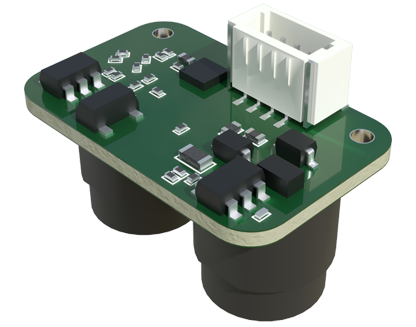
Durability is another key factor, as industrial environments often expose sensors to dust, vibrations, and temperature fluctuations. Modern laser distance sensors are built with robust housings, often IP67-rated for dust and water resistance, and feature temperature compensation mechanisms to maintain accuracy across a wide operating range. Integration with Industry 4.0 systems is also streamlined, with many sensors supporting protocols like IO-Link, Ethernet/IP, or PROFINET, enabling seamless data exchange for predictive maintenance and process optimization.
Despite their advantages, selecting the right laser sensor for metal applications requires careful consideration. Factors such as measurement range, response time, beam spot size, and material reflectivity must be evaluated. For highly reflective metals like aluminum or stainless steel, sensors with diffuse reflection modes or polarized filters may be necessary to reduce glare and improve signal stability. Additionally, safety standards, including compliance with laser class regulations (e.g., Class 1 or 2), are essential to protect operators.
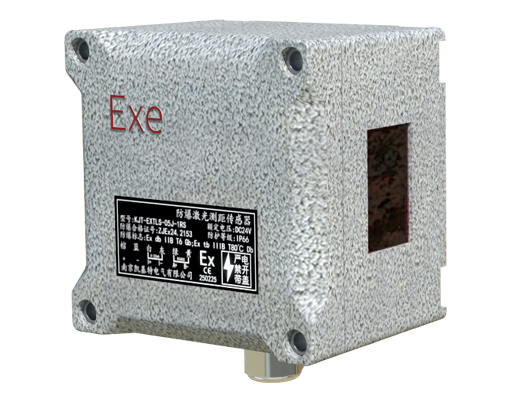
Looking ahead, innovations in laser sensor technology continue to push boundaries. The integration of artificial intelligence and machine learning allows for adaptive calibration and anomaly detection, enhancing reliability in dynamic settings. Miniaturization trends are also enabling compact sensor designs for confined spaces, while multi-function sensors that combine distance measurement with profile scanning or color detection are gaining traction. As industries strive for greater efficiency and precision, laser distance sensors will remain at the forefront, driving advancements in metal processing, robotics, and smart manufacturing.
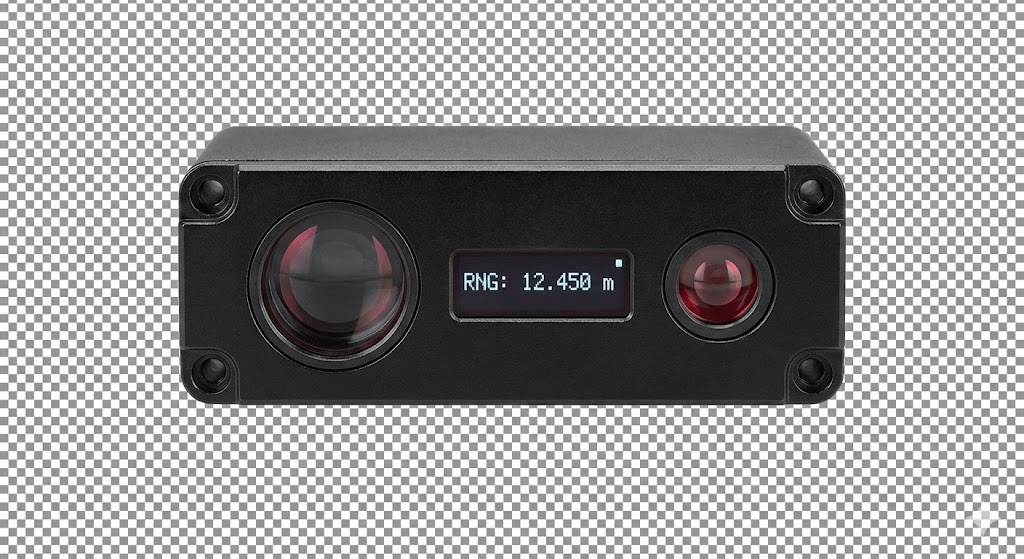
In summary, laser distance sensors represent a critical advancement for metal detection and measurement, offering non-contact, high-accuracy solutions that boost productivity and quality. By leveraging cutting-edge technology, these sensors address the unique challenges posed by metallic environments, paving the way for more automated and intelligent industrial systems.