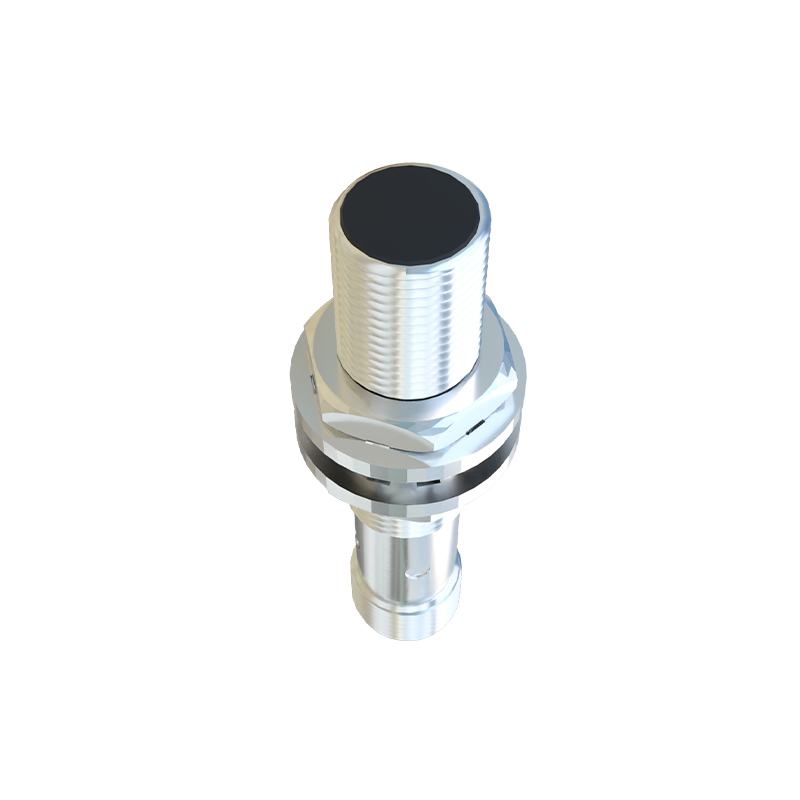
Proximity sensors, particularly the S6 series, have become indispensable components in modern industrial automation and control systems. These non-contact sensors detect the presence or absence of objects within their sensing range, offering reliability and precision in harsh environments. The S6 proximity sensor stands out due to its robust design, advanced technology, and versatility across various applications. This article delves into the key features, working principles, and practical uses of S6 proximity sensors, providing insights for engineers and industry professionals.
The S6 proximity sensor operates primarily on inductive or capacitive sensing principles, depending on the model. Inductive variants detect metallic objects by generating an electromagnetic field, while capacitive types sense both metallic and non-metallic materials by measuring changes in capacitance. The S6 series typically features a compact housing made of durable materials like nickel-plated brass or stainless steel, ensuring resistance to corrosion, vibration, and extreme temperatures. Many models are rated IP67 or higher, making them suitable for use in dusty, wet, or oily conditions common in manufacturing plants, automotive assembly lines, and food processing facilities.
One of the standout characteristics of S6 proximity sensors is their high switching frequency and repeat accuracy. With response times as low as 0.1 milliseconds, they can detect rapid movements in high-speed machinery, such as conveyor belts or robotic arms. The sensing range varies by model, often between 2mm to 15mm, allowing for precise positioning without physical contact. This non-contact operation minimizes wear and tear, reducing maintenance costs and downtime. Additionally, S6 sensors often incorporate LED indicators for easy status monitoring and diagnostic purposes, enhancing operational efficiency.
In terms of electrical specifications, S6 proximity sensors are compatible with various voltage ranges, typically 10-30V DC, and offer both PNP and NPN output configurations to match different control systems. They are designed with short-circuit and reverse polarity protection, safeguarding against installation errors and electrical faults. Some advanced models feature analog outputs or IO-Link communication, enabling integration with Industry 4.0 networks for real-time data collection and predictive maintenance. This connectivity supports smart factory initiatives, where sensors contribute to optimized production processes and energy savings.
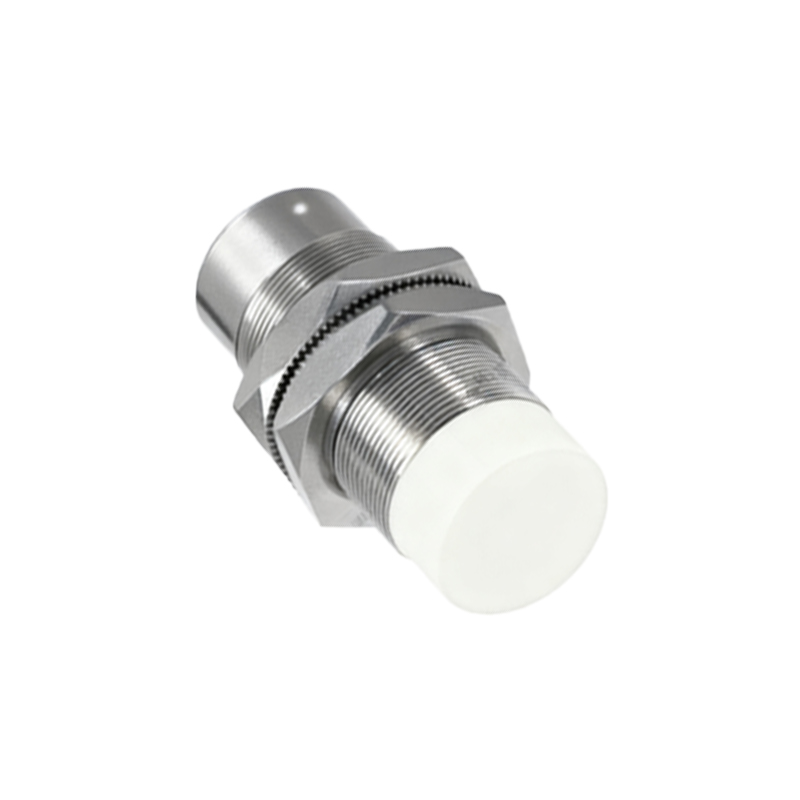
The applications of S6 proximity sensors span numerous industries. In automotive manufacturing, they are used for part detection, position verification, and safety interlocks. In packaging machinery, they ensure accurate filling levels and label placement. The food and beverage sector relies on their hygienic designs for monitoring container presence on filling lines. Moreover, S6 sensors play a critical role in material handling systems, detecting pallets or products to automate sorting and routing. Their reliability also makes them ideal for heavy-duty environments like mining or construction equipment, where they monitor component movements and prevent collisions.
When selecting an S6 proximity sensor, engineers must consider factors such as the target material, environmental conditions, required sensing distance, and output type. Proper installation is crucial—sensors should be mounted securely, with adequate clearance from metal surfaces to avoid interference. Regular calibration and testing, as per manufacturer guidelines, help maintain accuracy over time. As technology evolves, S6 sensors continue to incorporate innovations like enhanced EMI resistance and wider temperature tolerances, further expanding their utility in demanding settings.
In conclusion, S6 proximity sensors represent a blend of durability, precision, and adaptability, making them a cornerstone of industrial automation. By understanding their features and applications, professionals can leverage these devices to improve system performance, safety, and efficiency. Whether in simple detection tasks or complex networked systems, the S6 series proves to be a reliable choice for modern engineering challenges.