In industrial automation and control systems, proximity switch sensors play a critical role in detecting the presence or absence of objects without physical contact. Among various output configurations, the 5V output variant stands out for its compatibility with low-voltage digital circuits, microcontrollers, and modern electronic interfaces. This article delves into the technical aspects, applications, and considerations of proximity sensors with a 5V output, providing insights for engineers and technicians in the electrical and automation fields.
Proximity sensors operate based on electromagnetic, capacitive, or inductive principles, generating an output signal when a target object enters their sensing range. The 5V output typically refers to a digital signal that switches between 0V (low state) and 5V (high state), aligning with standard TTL (Transistor-Transistor Logic) and CMOS (Complementary Metal-Oxide-Semiconductor) voltage levels. This makes them ideal for integration with PLCs (Programmable Logic Controllers), Arduino boards, Raspberry Pi, and other microcontroller-based systems where 5V logic is prevalent. The output can be sourced (PNP) or sunk (NPN), depending on the sensor design, allowing flexibility in circuit connections.
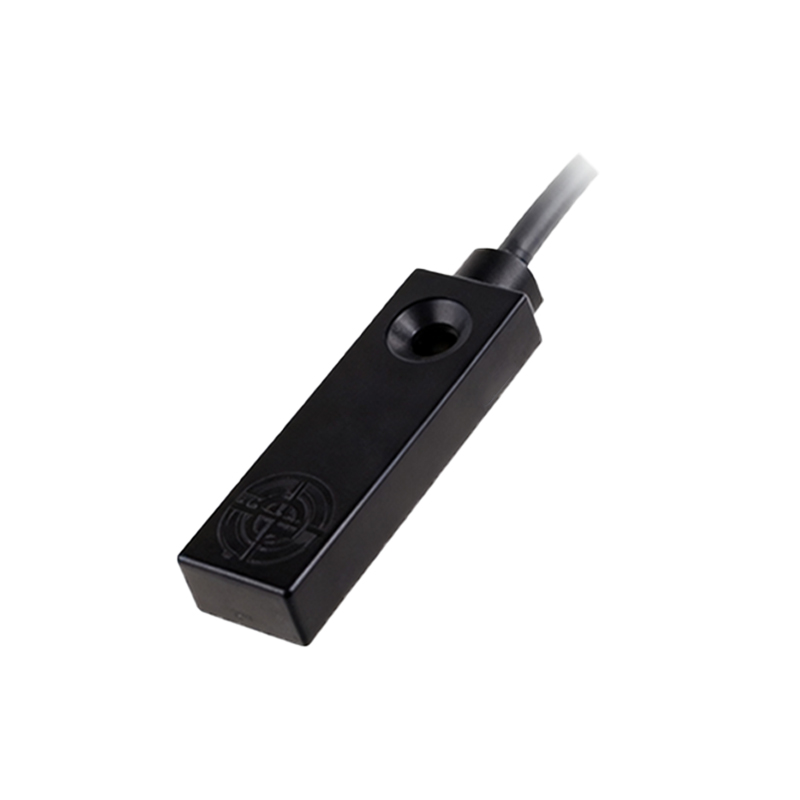
Key advantages of 5V output proximity sensors include low power consumption, reduced electromagnetic interference, and enhanced safety in sensitive environments. They are commonly used in applications such as position sensing in robotics, object counting in conveyor systems, and limit switching in machinery. For instance, in automated assembly lines, a 5V sensor can detect component placement and send a signal to a controller to trigger the next action, ensuring precision and efficiency. Additionally, their compatibility with 5V power supplies simplifies wiring and reduces the need for voltage converters, streamlining system design.
When selecting a 5V output proximity sensor, engineers must consider factors like sensing distance, response time, environmental conditions, and load compatibility. Sensing distances vary from a few millimeters to several centimeters, with inductive sensors suited for metallic targets and capacitive sensors for non-metallic materials. Response time, often in microseconds, impacts system speed, while IP ratings indicate resistance to dust and moisture. It's crucial to match the sensor's output current with the load requirements to avoid overloading or signal degradation. For example, connecting a sensor with a 100mA output to a high-impedance input may require a pull-up resistor for stable operation.
Installation and maintenance practices also influence performance. Proper mounting, alignment, and shielding from electrical noise are essential to prevent false triggers. Regular calibration checks ensure consistent output levels, as voltage drops or fluctuations can affect reliability. In troubleshooting, using a multimeter to verify the 5V signal during activation helps diagnose issues like wiring faults or sensor wear.
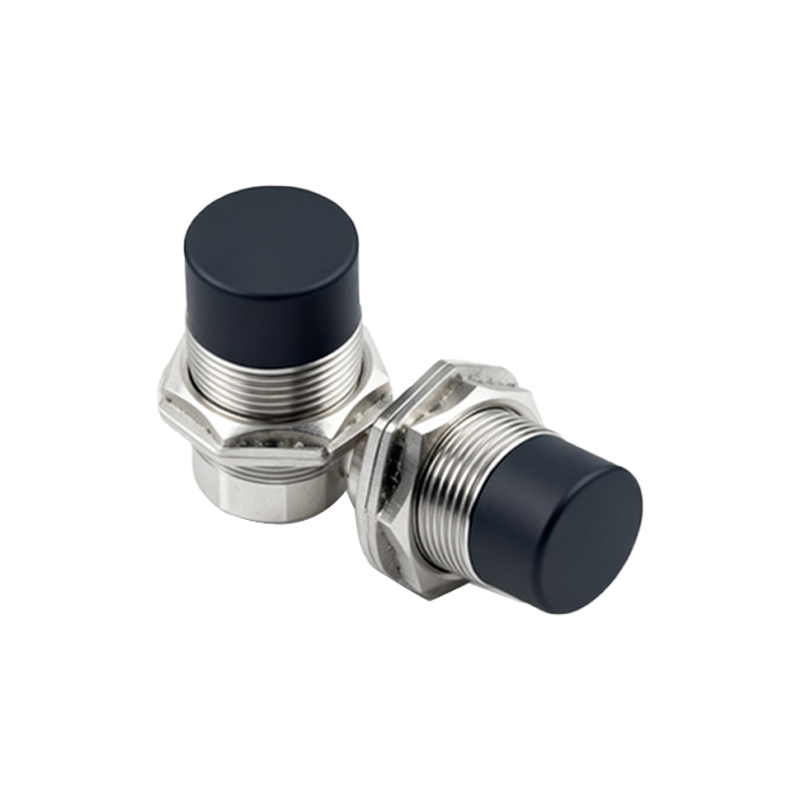
Looking ahead, advancements in miniaturization and IoT (Internet of Things) integration are driving the evolution of 5V output sensors. Smart sensors with embedded diagnostics and communication protocols like IO-Link are becoming more common, enabling real-time monitoring and predictive maintenance. As industries embrace Industry 4.0, the demand for reliable, low-voltage sensors will continue to grow, reinforcing the importance of understanding their technical nuances.
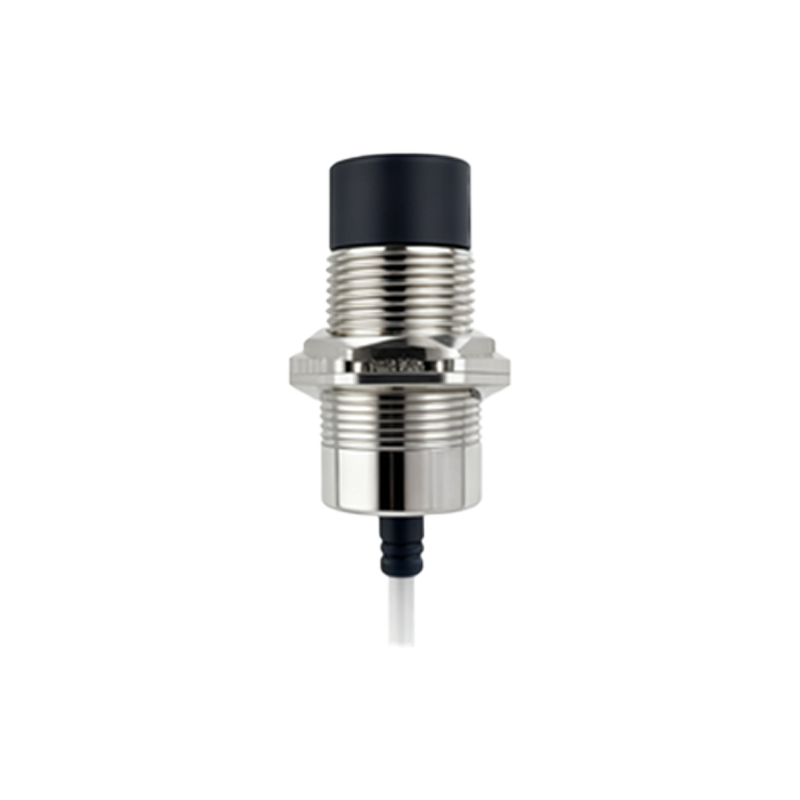
In summary, proximity switch sensors with a 5V output offer a versatile solution for modern automation, balancing performance with compatibility. By grasping their operational principles and application guidelines, professionals can optimize system designs and enhance operational efficiency in diverse industrial settings.