In industrial automation and control systems, proximity sensors play a critical role in detecting the presence or absence of objects without physical contact. Among the diverse range of proximity sensors available, the B1 and C1 series are two prominent models frequently encountered in applications such as machinery, automotive assembly, and material handling. Understanding the differences between these two types is essential for engineers and technicians to make informed decisions that optimize performance, reliability, and cost-efficiency.
The B1 series proximity sensors are typically characterized by their compact design and high sensitivity. These sensors often utilize inductive or capacitive sensing principles, making them suitable for detecting metallic objects at short ranges. For instance, in a conveyor system, a B1 sensor might be employed to identify the position of metal components with precision. Its response time is generally fast, which is crucial in high-speed production lines where milliseconds matter. Additionally, B1 sensors often feature a robust housing that provides resistance to environmental factors like dust, moisture, and minor impacts, though they may have limitations in extreme conditions.
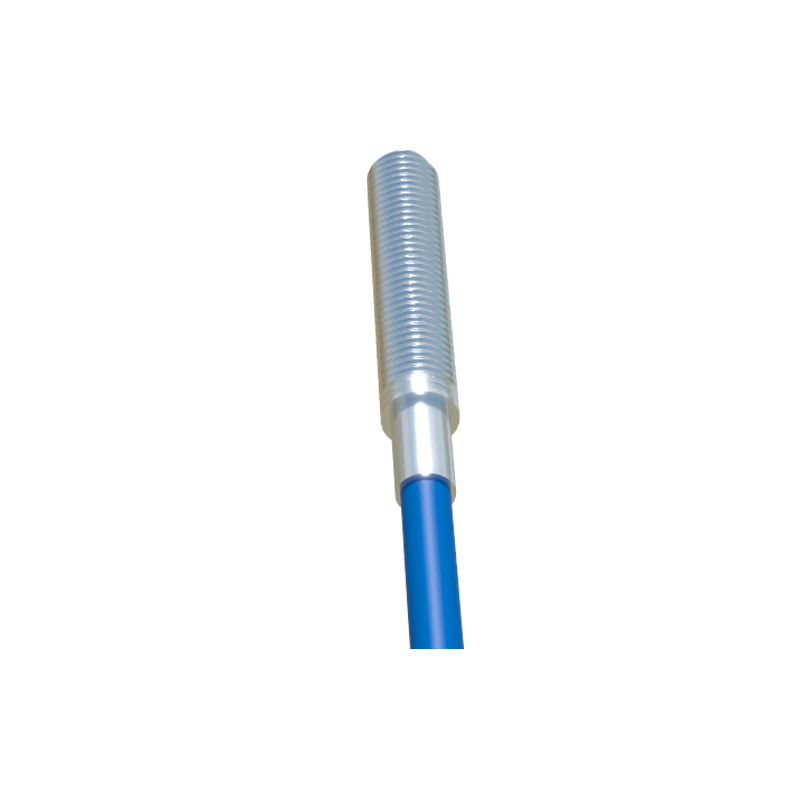
On the other hand, the C1 series proximity sensors are designed with a focus on versatility and extended sensing ranges. These sensors commonly incorporate advanced technologies such as ultrasonic or photoelectric sensing, allowing them to detect a wider variety of materials, including non-metallic objects like plastics, wood, or liquids. In applications where flexibility is key—such as in packaging industries or automated storage systems—the C1 sensor's ability to adapt to different object types and colors makes it a preferred choice. Moreover, C1 models often come with adjustable settings for sensitivity and range, enabling fine-tuning to specific operational needs.
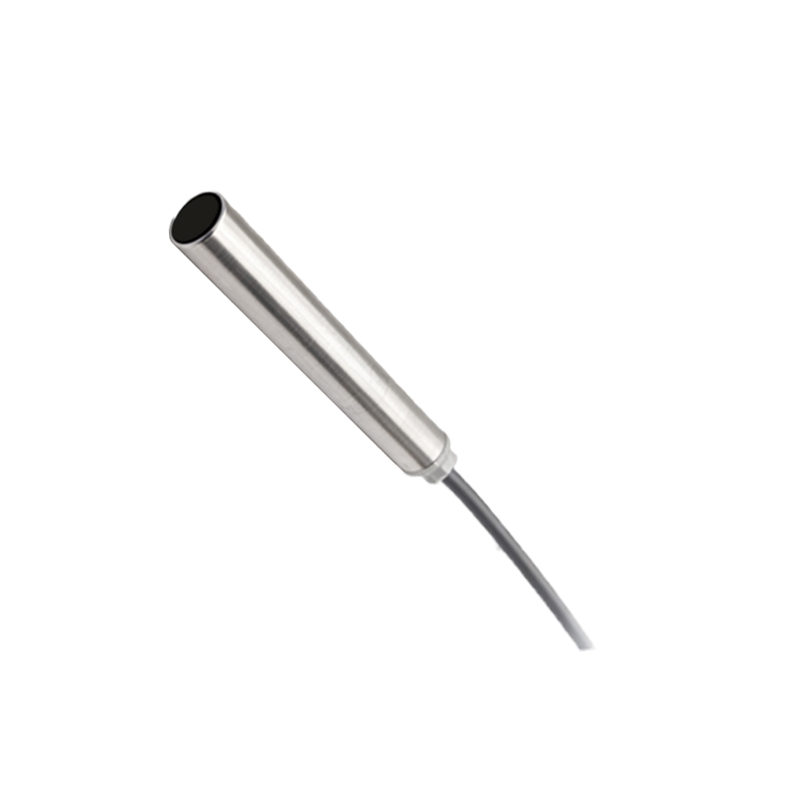
One of the primary distinctions between the B1 and C1 series lies in their sensing mechanisms. B1 sensors are predominantly inductive, relying on electromagnetic fields to detect conductive materials. This makes them highly reliable for metal detection but less effective for non-conductive substances. In contrast, C1 sensors may use photoelectric beams or sound waves, which can penetrate certain materials or operate in challenging environments where visibility or conductivity is an issue. For example, in a food processing plant, a C1 photoelectric sensor might be used to monitor transparent plastic containers without direct contact, whereas a B1 inductive sensor would fail in such a scenario.
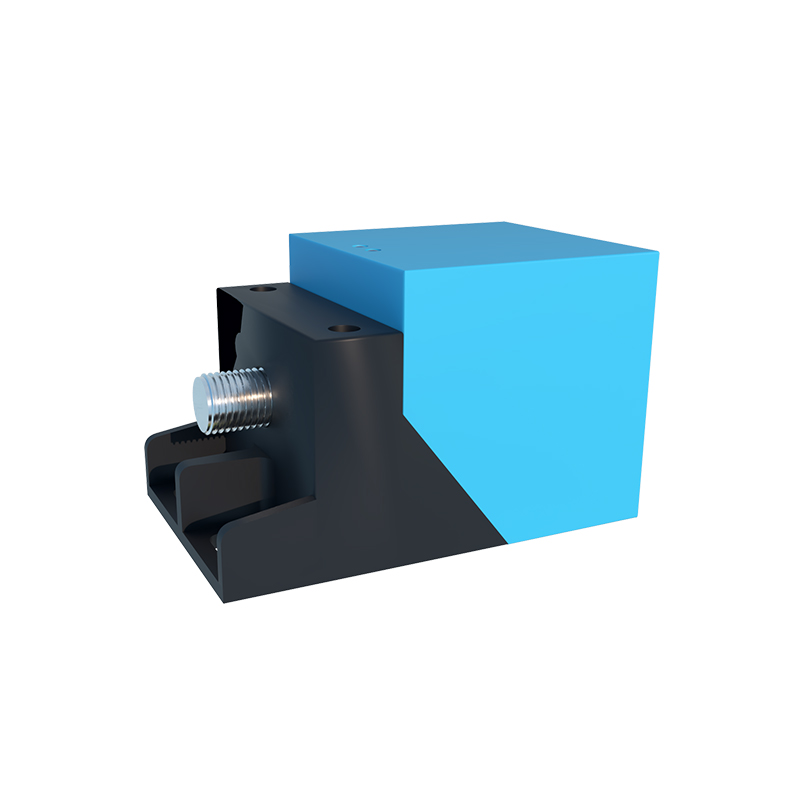
Another key difference is the operational range. B1 sensors typically offer a shorter detection distance, often ranging from a few millimeters to about 20 millimeters, which is ideal for close-proximity tasks like part positioning or limit switching. C1 sensors, however, can achieve ranges from several centimeters to meters, depending on the technology used. This extended capability allows C1 sensors to be deployed in larger-scale applications, such as monitoring the fill level of tanks or detecting objects on a distant conveyor belt.
Environmental durability also varies between the two series. B1 sensors are often built to withstand harsh industrial settings with high levels of vibration, temperature fluctuations, and electromagnetic interference. Their sealed designs make them suitable for use in manufacturing floors where exposure to coolants or oils is common. C1 sensors, while also durable, may require additional protective housings in extreme conditions due to their more sensitive optical or acoustic components. For instance, in outdoor applications with dust or rain, a C1 ultrasonic sensor might need an IP67-rated enclosure to maintain performance.
Cost considerations are another factor in the B1 vs C1 comparison. Generally, B1 sensors tend to be more economical for standard metal-detection tasks, offering a cost-effective solution for high-volume installations. C1 sensors, with their advanced features and broader applicability, often come at a higher price point. However, the investment can be justified by reduced maintenance, longer lifespan, and enhanced functionality in complex systems. Engineers must weigh initial costs against long-term benefits, such as energy efficiency and compatibility with IoT-enabled networks for smart factory integration.
In terms of installation and wiring, both series are designed for ease of use, but there are nuances. B1 sensors typically feature simple two-wire or three-wire configurations that integrate seamlessly with PLCs (Programmable Logic Controllers) and other control devices. C1 sensors may offer additional connectivity options, such as analog outputs or digital communication protocols like IO-Link, which provide real-time data for predictive maintenance and system optimization. This makes C1 sensors more adaptable to modern Industry 4.0 environments where data-driven decision-making is paramount.
When selecting between B1 and C1 proximity sensors, it is crucial to assess the specific application requirements. For metal detection in confined spaces with budget constraints, the B1 series is often the optimal choice. For diverse material detection, longer ranges, or advanced connectivity needs, the C1 series provides greater flexibility. Always consult technical datasheets and manufacturer guidelines to ensure compatibility with operating conditions, such as temperature ranges, voltage supplies, and output types.
In summary, the B1