In the rapidly evolving landscape of industrial automation, proximity and motion sensors have emerged as indispensable components, driving efficiency, safety, and precision across a multitude of applications. These sensors, often operating silently in the background, form the sensory foundation of modern manufacturing, robotics, and smart systems. Their ability to detect the presence, absence, or movement of objects without physical contact has revolutionized how machines interact with their environment.
Proximity sensors, which detect the presence of nearby objects, come in various types, including inductive, capacitive, and photoelectric sensors. Inductive sensors are particularly valuable in metal detection applications, such as on assembly lines where they count metallic parts or verify the position of machine components. Capacitive sensors, on the other hand, can detect a wider range of materials, including liquids and plastics, making them ideal for level sensing in tanks or detecting non-metallic objects in packaging processes. Photoelectric sensors use light beams to detect objects, offering long-range detection capabilities suitable for conveyor systems and automated guided vehicles (AGVs). The choice of sensor type depends on factors like the target material, required sensing distance, environmental conditions, and response speed.
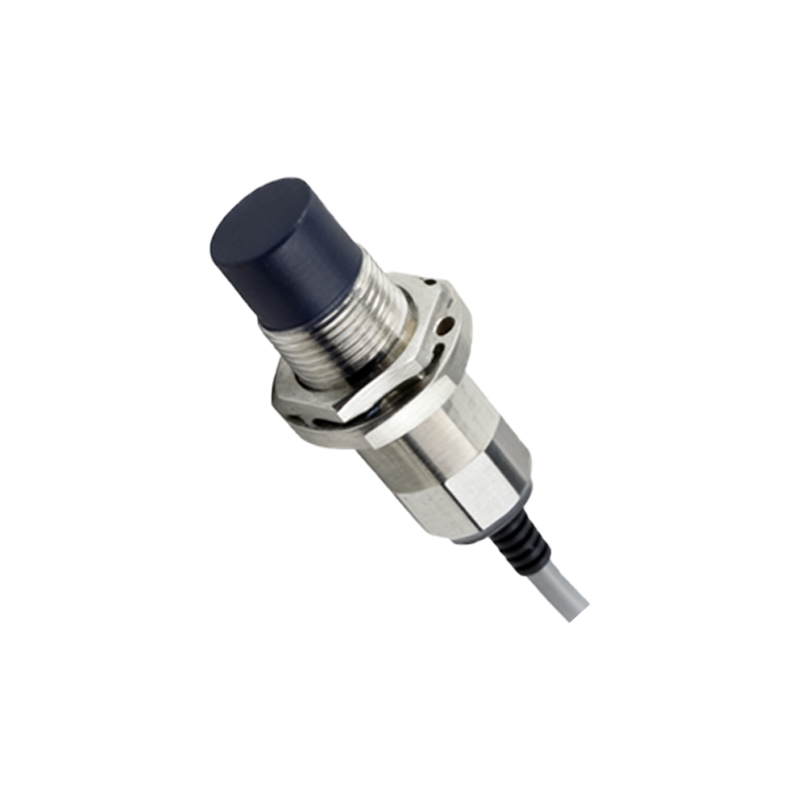
Motion sensors, which detect movement or changes in position, are equally critical. Technologies such as passive infrared (PIR), microwave, and ultrasonic sensors are commonly employed. PIR sensors detect heat radiation from moving objects, making them a staple in security systems and energy-saving lighting controls. Microwave and ultrasonic sensors emit waves and analyze their reflections to detect motion, often used in automatic doors, occupancy monitoring, and collision avoidance systems in robotics. In industrial settings, motion sensors integrate with programmable logic controllers (PLCs) to trigger actions like stopping a machine if a worker enters a hazardous zone, thereby enhancing workplace safety.
The convergence of these sensors with the Industrial Internet of Things (IIoT) and Industry 4.0 initiatives has further amplified their impact. Modern proximity and motion sensors are increasingly equipped with digital outputs, communication protocols like IO-Link, and self-diagnostic capabilities. This connectivity allows for real-time data collection, predictive maintenance, and seamless integration into centralized control systems. For instance, in a smart factory, sensors can monitor equipment vibration or detect jams on a production line, sending alerts to operators before a failure occurs, thus minimizing downtime and optimizing productivity.
Applications span diverse sectors. In automotive manufacturing, proximity sensors ensure precise positioning of robotic arms during welding or assembly, while motion sensors monitor conveyor belt speeds. In the food and beverage industry, capacitive sensors check fill levels in containers, and photoelectric sensors verify label placement on bottles. Logistics and warehousing benefit from motion sensors in automated storage and retrieval systems, where they track inventory movement and guide AGVs. Even in renewable energy, sensors play a role—for example, in wind turbines, where they monitor blade position and detect icing conditions.
Despite their advantages, challenges persist. Environmental factors like dust, moisture, or electromagnetic interference can affect sensor performance. Engineers must carefully select sensors with appropriate ingress protection (IP) ratings and shielding. Additionally, calibration and regular maintenance are essential to ensure long-term reliability. As technology advances, trends such as miniaturization, increased sensitivity, and lower power consumption are pushing the boundaries, enabling new applications in areas like wearable devices and autonomous systems.
In conclusion, proximity and motion sensors are more than mere components; they are enablers of intelligent automation. By providing accurate, non-contact detection, they enhance operational efficiency, improve safety standards, and support the transition toward smarter, more responsive industrial ecosystems. As industries continue to embrace digital transformation, the role of these sensors will only grow, underpinning innovations that drive future productivity and sustainability.