In the rapidly evolving landscape of industrial automation and control systems, proximity sensors stand as critical components for enabling non-contact detection of objects. Selecting the optimal sensor and the right manufacturer is not merely a procurement decision; it is a strategic choice that impacts system reliability, efficiency, and long-term operational costs. This guide delves into the core operating principles of major proximity sensor types and provides a structured framework for evaluating and selecting leading manufacturers.
Understanding Core Operating Principles
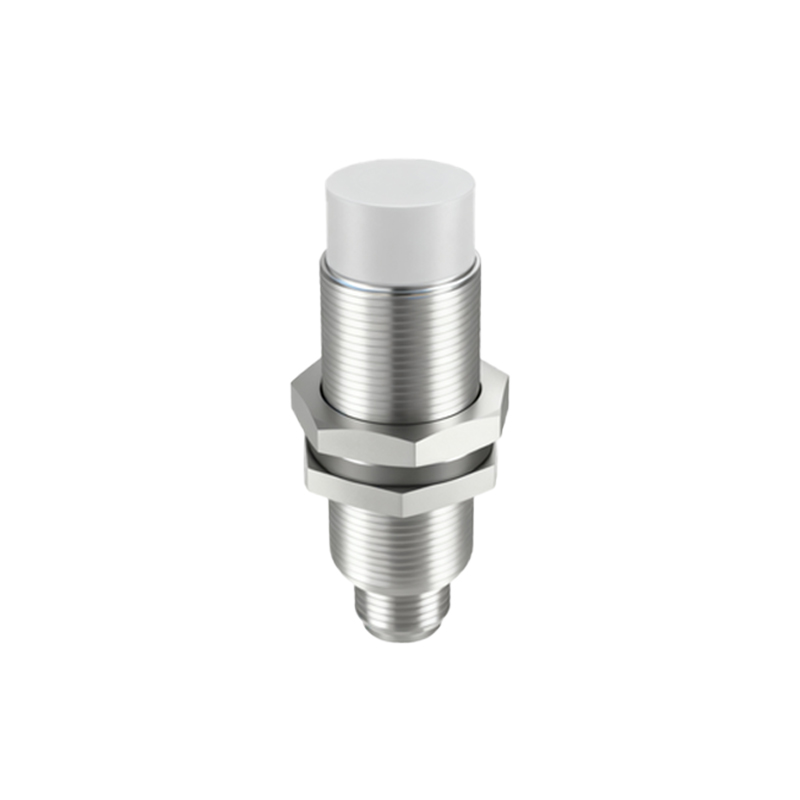
The fundamental principle behind all proximity sensors is to detect the presence or absence of an object within a specified sensing range without physical contact. The technology employed defines its characteristics and ideal applications.
1. Inductive Proximity Sensors: These sensors generate an electromagnetic field using a coiled oscillator. When a metallic object (ferrous or non-ferrous) enters this field, it induces eddy currents, causing a change in the oscillation amplitude. This change is detected by the sensor's circuitry, triggering an output signal. They are immune to non-metallic substances like dust, oil, or water, making them exceptionally robust for harsh industrial environments like metal machining, automotive assembly, and material handling. Key selection parameters include sensing distance, target material (steel, aluminum, brass), and the sensor's housing style (cylindrical, rectangular).
2. Capacitive Proximity Sensors: These operate by generating an electrostatic field. Any object, metallic or non-metallic (plastics, wood, liquids, granules), that enters this field alters the sensor's capacitance. This alteration is measured, and upon reaching a threshold, the output switches. This makes them versatile for detecting materials like glass bottles, wood panels, or monitoring liquid levels through a container wall. Sensitivity adjustment is a crucial feature, allowing tuning to ignore certain background materials.
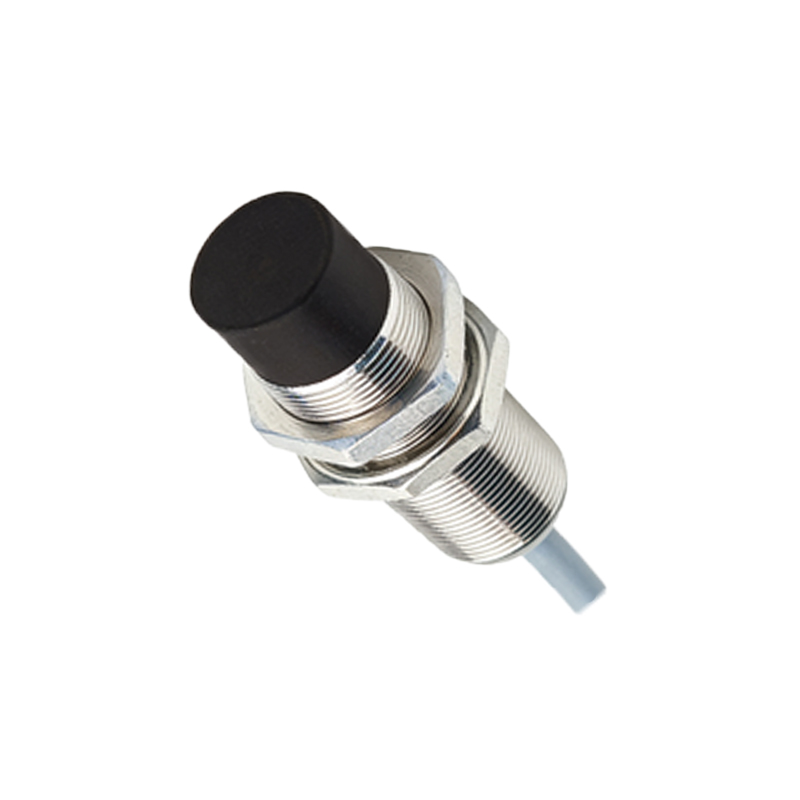
3. Ultrasonic Proximity Sensors: These emit high-frequency sound waves and evaluate the reflected echo. The time delay between emission and reception is used to calculate the distance to the target. They are effective for detecting objects of virtually any material, shape, or color, and are excellent for distance measurement, transparent object detection, and applications in challenging environments with dust or vapor. Factors like beam angle, response time, and temperature compensation are vital for selection.
4. Photoelectric Sensors: While often categorized separately, they function as proximity devices. They emit a beam of light (visible red, infrared, or laser) and detect its reflection (diffuse mode), interruption (through-beam mode), or reflection from a dedicated reflector (retro-reflective mode). They offer very long sensing ranges and can detect tiny objects. Their performance can be affected by environmental factors like ambient light, dirt, and the color or reflectivity of the target.
A Framework for Selecting the Right Manufacturer
Choosing a supplier goes beyond comparing datasheet specifications. A holistic evaluation ensures a partnership that supports your project's lifecycle.
1. Technical Expertise and Product Portfolio: Leading manufacturers offer comprehensive ranges covering all sensor technologies. Evaluate their depth. Can they provide specialized variants for extreme temperatures, high-pressure washdown (IP69K), welding-resistant models, or analog output for distance measurement? A broad portfolio from a single supplier simplifies procurement and ensures compatibility.
2. Quality and Reliability Metrics: Investigate the manufacturer's quality management certifications (e.g., ISO 9001). Demand Mean Time Between Failure (MTBF) data and inquire about testing procedures. Reliability in industrial settings is non-negotiable. Brands with a long-standing reputation often have proven track records documented in rigorous field applications.
3. Global Support and Availability: Consider your operational footprint. Does the manufacturer have a robust global distribution network, local technical support, and readily available stock? For mission-critical lines, local availability of replacement units and access to application engineers can drastically reduce downtime.
4. Documentation and Digital Tools: High-caliber manufacturers provide exceptional documentation: detailed datasheets, 3D CAD models, configuration software, and clear application notes. Online selection tools and configurators that help you choose the correct model based on your specific parameters are a sign of customer-centric design.
5. Innovation and Future-Proofing: The industry is moving towards IO-Link, a point-to-point serial communication protocol that transforms a simple sensor into a smart device providing diagnostics, parameterization, and process data. Assess the manufacturer's commitment to such smart sensor technologies and Industry 4.0 readiness.
Top-Tier Manufacturer Considerations
While many excellent companies exist, several are consistently recognized for their innovation, quality, and global support. Sick AG is renowned for high-precision photoelectric and innovative sensor solutions, particularly in logistics and factory automation. Pepperl+Fuchs is a powerhouse in intrinsic safety and offers an exceptionally wide range of inductive, capacitive, and ultrasonic