In the realm of industrial automation, proximity sensors play a pivotal role in detecting the presence or absence of objects without physical contact. Among various configurations, the two-wire proximity sensor stands out for its simplicity and reliability. This article delves into the operational principles, advantages, applications, and selection criteria of two-wire proximity sensors, offering insights for engineers and technicians in the electrical and automation fields.
Two-wire proximity sensors, as the name implies, consist of only two wires for both power supply and signal transmission. Unlike three-wire or four-wire sensors that separate power and output circuits, two-wire models integrate these functions into a single loop. This design reduces wiring complexity and installation time, making them a cost-effective solution for many industrial setups. Typically, these sensors operate on DC or AC voltage, with common ranges being 10-30V DC or 20-250V AC. When an object enters the sensing range, the sensor's internal circuitry modulates the current flow, which in turn triggers a signal change detectable by controllers like PLCs (Programmable Logic Controllers).
The working mechanism of two-wire proximity sensors relies on electromagnetic or capacitive sensing technologies. Inductive sensors, for instance, generate an oscillating electromagnetic field. When a metallic object approaches, it disrupts this field, causing a change in oscillation amplitude that is converted into a switching signal. Capacitive sensors, on the other hand, detect both metallic and non-metallic materials by measuring changes in capacitance. Despite their simplicity, two-wire sensors offer robust performance with features such as short-circuit protection, reverse polarity protection, and high immunity to electrical noise, ensuring stable operation in harsh environments like manufacturing floors or outdoor installations.
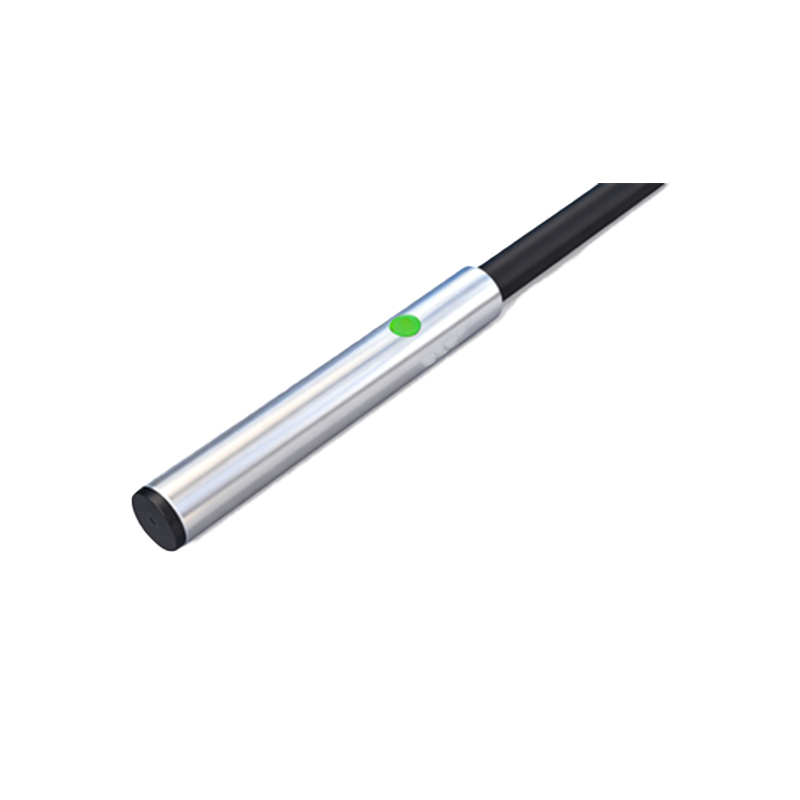
One of the key advantages of two-wire proximity sensors is their ease of integration. Since they require fewer connections, they minimize potential points of failure and simplify maintenance. This makes them ideal for applications where space is limited or where rapid deployment is necessary. Common uses include position sensing in conveyor systems, object detection in packaging machinery, and safety interlocks in automated equipment. Additionally, their low power consumption aligns with energy-efficient practices, reducing overall operational costs.
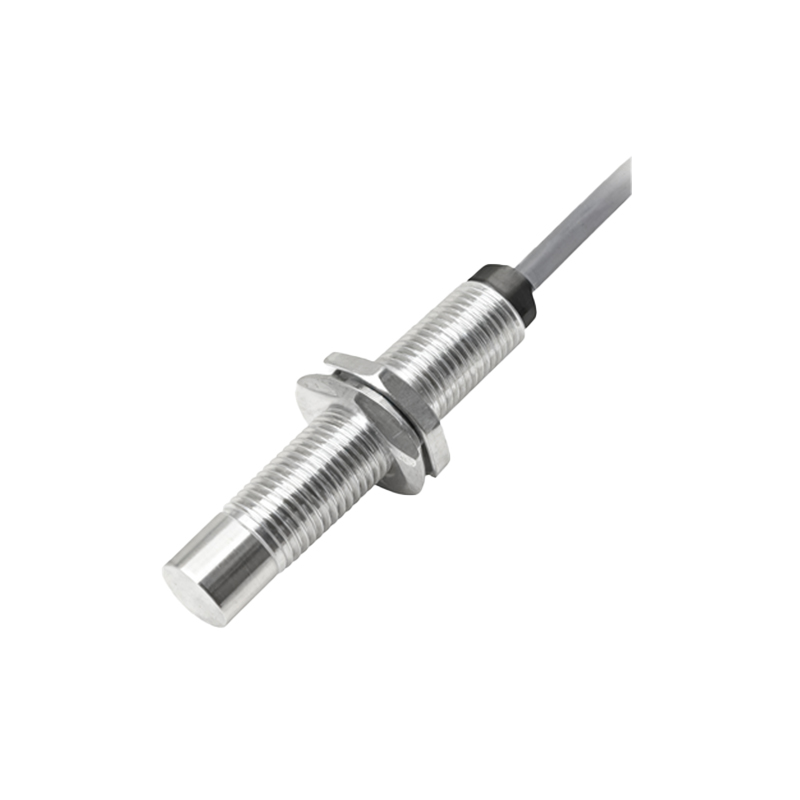
However, selecting the right two-wire proximity sensor requires careful consideration of several factors. Engineers must assess the sensing distance, which varies based on sensor type and target material. For example, inductive sensors typically have shorter ranges compared to capacitive ones. Environmental conditions such as temperature, humidity, and exposure to chemicals also influence sensor choice, as some models are designed with IP (Ingress Protection) ratings for durability. Furthermore, output characteristics—whether normally open (NO) or normally closed (NC)—should match the control system's requirements to ensure seamless communication.
In practice, installation and wiring of two-wire proximity sensors are straightforward. They are often connected in series with the load, such as a relay or PLC input module. It is crucial to verify the voltage compatibility and ensure proper grounding to prevent malfunctions. Regular testing with target objects can help calibrate sensitivity and avoid false triggers. As technology advances, modern two-wire sensors incorporate smart features like diagnostic LEDs or IO-Link communication, enhancing their functionality for Industry 4.0 applications.
In conclusion, two-wire proximity sensors offer a balance of simplicity, reliability, and efficiency for industrial automation. By understanding their principles and applications, electrical professionals can optimize system designs and improve operational workflows. As industries continue to embrace automation, these sensors will remain integral components, driving innovation and productivity across sectors.