In the intricate world of industrial automation, where precision, reliability, and safety are paramount, proximity switch sensor machines operate as the silent, invisible guardians. These non-contact sensing devices are fundamental components in modern manufacturing, logistics, and process control systems. Unlike mechanical limit switches that require physical contact, proximity sensors detect the presence or absence of an object within their sensing range through electromagnetic fields, light, or sound, thereby eliminating wear and tear and enabling high-speed operation.
The core principle behind inductive proximity sensors, the most common type for metallic objects, involves an oscillator generating a high-frequency electromagnetic field at the active surface. When a metallic target enters this field, eddy currents are induced within the target, causing a change in the oscillation amplitude. This change is detected by a threshold circuit, which subsequently switches the output state of the sensor. For non-metallic objects, capacitive proximity sensors are employed, which detect changes in capacitance caused by the presence of any material that alters the dielectric constant of the sensing field. Ultrasonic and photoelectric sensors serve other specific applications, offering longer sensing distances or the ability to detect transparent objects.
The applications of proximity switch sensor machines are vast and critical. In automated assembly lines, they precisely position robotic arms, count products on conveyors, and verify the presence of components. They act as end-position verification devices in hydraulic and pneumatic cylinders, ensuring cylinders are fully retracted or extended before the next cycle begins—a crucial safety function. In material handling, they monitor bin levels, detect jams, and control sorting gates. Within CNC machining centers, they provide tool presence detection and workpiece positioning, safeguarding expensive machinery from collisions.
Selecting the right proximity sensor requires careful consideration of several technical parameters. The sensing distance, or "sn," is specified for a standard target and can be influenced by the target's material, size, and shape. The housing material, typically nickel-plated brass, stainless steel, or PBT plastic, must withstand the environmental conditions, including exposure to coolants, oils, chemicals, and physical impacts. Output configurations are another key decision point; sensors come with NPN (sinking) or PNP (sourcing) transistor outputs, analog outputs (4-20mA, 0-10V), or IO-Link digital communication for Industry 4.0 integration. The choice depends on the control system's input card requirements. Furthermore, factors like switching frequency (response speed), temperature range, and protection ratings (IP67, IP69K for washdown environments) are essential for reliable operation.
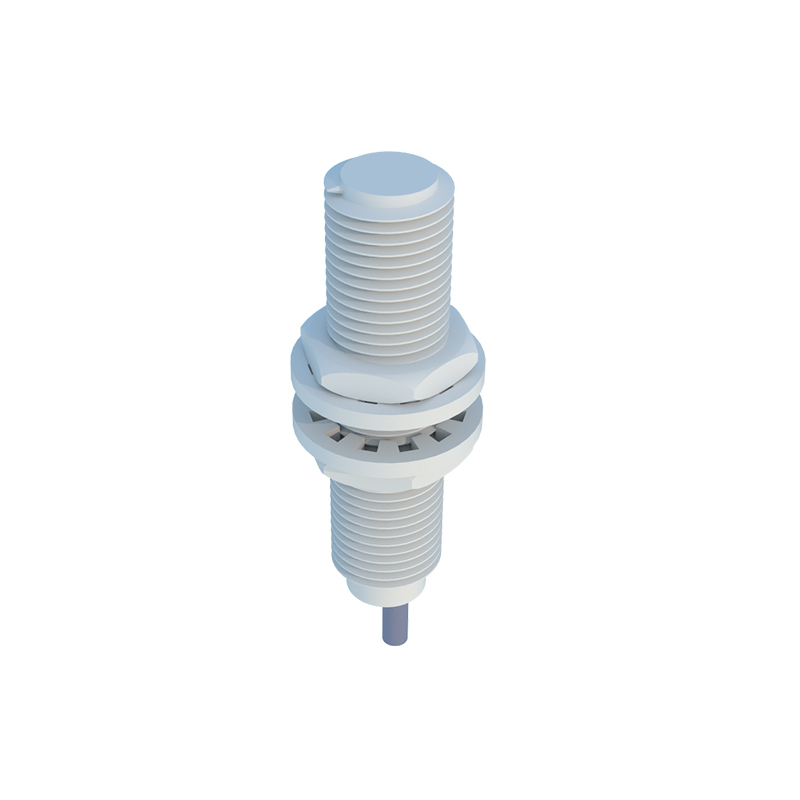
The integration of these sensors into control systems, predominantly Programmable Logic Controllers (PLCs), is straightforward. The sensor's output wire is connected to a discrete input channel on the PLC. The PLC program then uses this digital signal—a simple TRUE or FALSE—to trigger complex logic: starting a motor, incrementing a counter, activating a warning light, or halting a process in an emergency. This seamless interface between the physical detection event and the digital control world is the bedrock of automated sequence control.
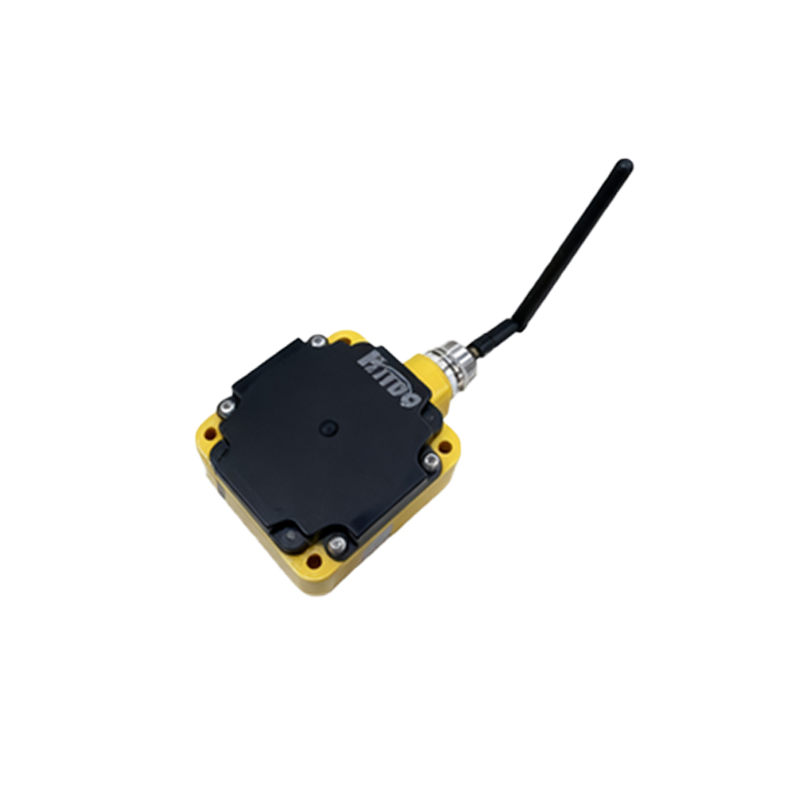
Looking ahead, the evolution of proximity switch sensor machines is intertwined with the advancement of Industry 4.0 and the Industrial Internet of Things (IIoT). Modern sensors are becoming smarter, equipped with self-diagnostic capabilities to report overload conditions, short circuits, or contamination levels. IO-Link technology transforms a simple binary sensor into an intelligent device that can communicate detailed parameter data and process values back to the controller, enabling predictive maintenance and finer process optimization. Furthermore, miniaturization continues, allowing these sensors to be installed in increasingly cramped spaces without sacrificing performance.
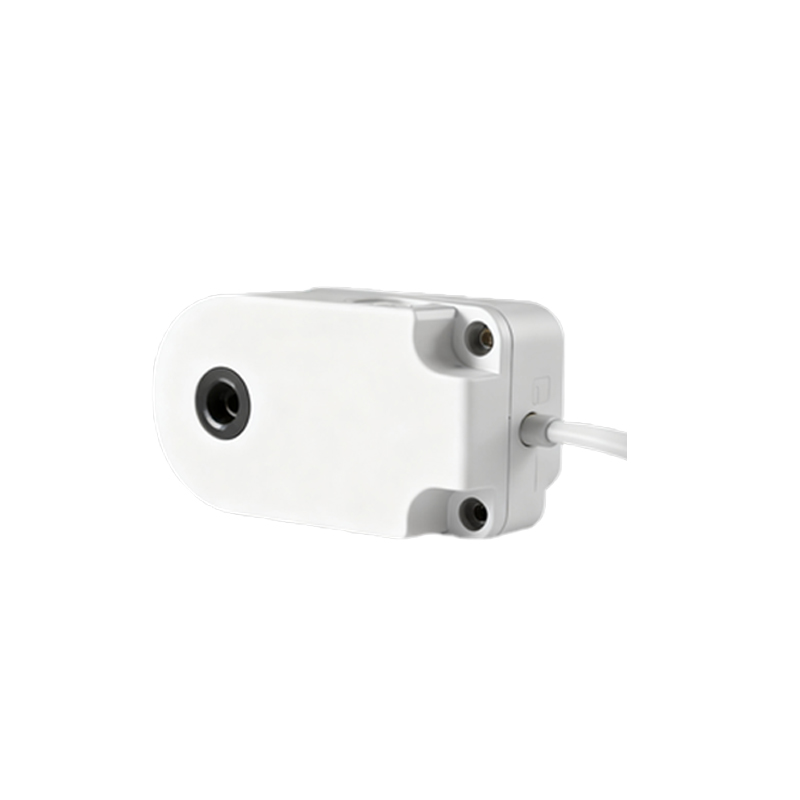
In conclusion, proximity switch sensor machines are far more than simple on/off switches. They are sophisticated, reliable, and versatile components that provide the essential "eyes" for automated machinery. Their ability to operate without contact in harsh industrial environments makes them indispensable for enhancing productivity, ensuring machine and personnel safety, and achieving the high levels of quality and efficiency demanded by contemporary industry. As automation grows more complex, the role of these invisible guardians will only become more critical, evolving with smarter features to meet the challenges of the connected factory floor.