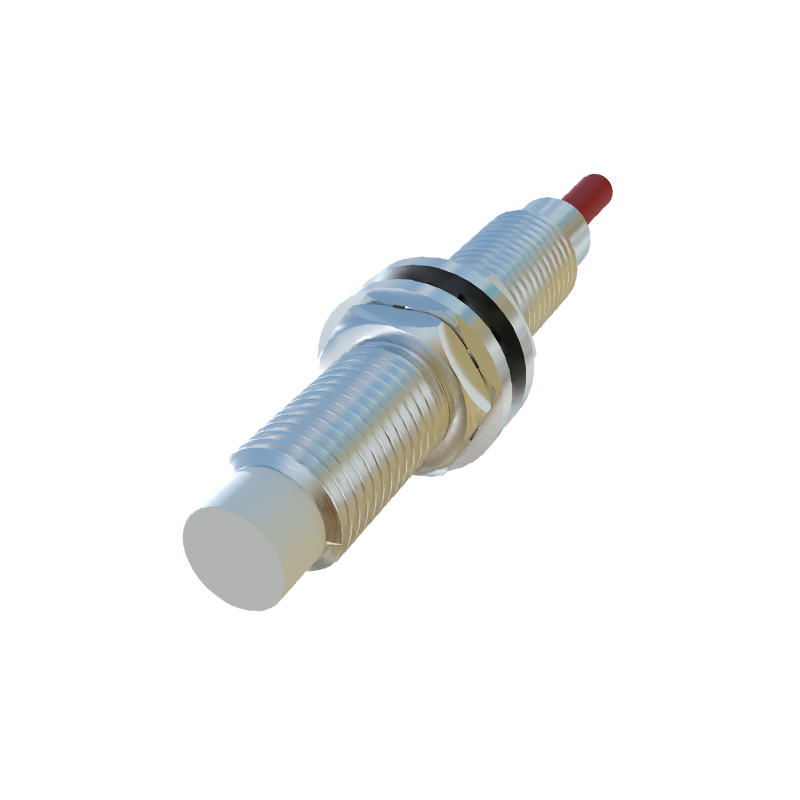
In the realm of industrial automation and control systems, the reliable detection of objects is paramount. Among the various sensing technologies available, three-wire DC proximity sensors stand out for their robustness and widespread use. A particularly challenging and critical application area involves deploying these sensors over long distances. This article delves into the operational principles, wiring configurations, and key considerations for successfully implementing three-wire proximity sensors in long-distance setups, ensuring signal integrity and system reliability.
At their core, three-wire inductive or capacitive proximity sensors are solid-state electronic devices that detect the presence or absence of metallic or non-metallic objects without physical contact. The "three-wire" designation refers to the fundamental wiring: typically, one wire for DC power supply positive (brown), one for DC power supply negative (blue), and one for the output signal (black). The output can be either NPN (sinking) or PNP (sourcing), a crucial distinction that determines the current flow and compatibility with the controller (PLC). For long-distance applications, understanding this output type is the first step in designing a correct circuit.
The primary challenge in long-distance wiring is voltage drop. As the cable length increases, the inherent resistance of the wires causes a reduction in the voltage available at the sensor compared to the voltage supplied at the source. A sensor rated for 10-30V DC might receive only 8V at the end of a long cable run if the wire gauge is insufficient, leading to erratic operation or complete failure. To mitigate this, increasing the conductor cross-sectional area (using a thicker gauge wire) is the most effective method. For instance, while 22 AWG might be acceptable for short runs, distances exceeding 50 meters often necessitate 18 AWG or even 16 AWG cables to minimize resistance.
Furthermore, the choice between NPN and PNP sensors can influence long-distance performance in relation to the control system's common point. In a typical PLC input module, one side is internally connected to DC common (often 0V). For long runs, ensuring that the sensor's output switches the "hot" side (relative to this common) can sometimes offer marginal benefits in noise immunity, though the voltage drop remains the dominant concern. Consistency in wiring—using shielded cables and grounding the shield properly at only one end—is non-negotiable for long distances. Electromagnetic interference (EMI) from motors, drives, or power lines can easily induce false signals on unshielded cables over hundreds of meters. The shield protects the signal by providing a path for this interference to drain to ground.
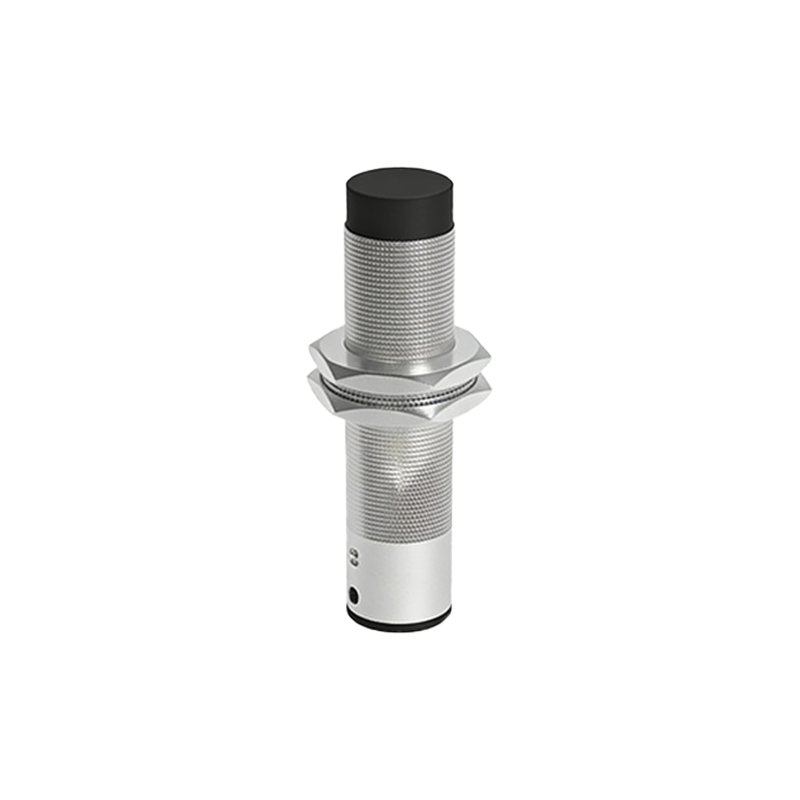
Another critical factor is the sensor's own specifications. Manufacturers often specify maximum operating distances under ideal conditions. For long cable extensions, one must consult the technical datasheet for parameters like "maximum leakage current" and "minimum load current." The combined capacitance and leakage of a long cable can trick a PLC input into seeing an "ON" state when the sensor is off. Selecting sensors with a low residual current (leakage) is essential. Additionally, some modern sensors feature built-in diagnostics or short-circuit protection, which are valuable for troubleshooting issues in extensive wiring networks.
In practice, for very long distances exceeding 200-300 meters, intermediate signal conditioning devices become necessary. Using a relay located closer to the sensor to switch the load can be a simple solution: the sensor powers a relay coil over the long distance, and the relay contacts, placed near the PLC, handle the final control signal with fresh power. Alternatively, analog amplifiers or digital repeater modules can boost the signal. For the ultimate in long-range and noise immunity, converting the sensor signal to a network-based protocol (like IO-Link or via a remote I/O block using Profinet, EtherNet/IP) is the modern industrial approach. This transforms the issue from one of DC voltage drop to digital data transmission, which is far more resilient over CAT5e/CAT6 cables.
Regular maintenance and testing are vital. Voltage measurements should be taken at the sensor terminals under load to confirm adequate operating voltage. Insulation resistance tests on long cable runs can preemptively identify degradation. In conclusion, successful long-distance application of three-wire proximity sensors hinges on a systematic approach: selecting the correct sensor type (NPN/PNP), using adequately thick and shielded cabling, understanding electrical specifications for leakage, and employing signal boosters or network solutions for extreme distances. By addressing these factors, engineers can ensure that these versatile sensors deliver precise and dependable performance, even when monitoring objects far from the control cabinet.