Photoelectric proximity sensors have become indispensable components in modern industrial automation, offering non-contact detection capabilities that enhance efficiency, reliability, and safety across diverse applications. These sensors operate by emitting a beam of light—typically infrared, visible red, or laser—and detecting changes in the received light intensity or reflection patterns when an object enters their sensing range. Unlike inductive or capacitive sensors, photoelectric sensors can detect a wide variety of materials, including glass, plastic, metal, and liquids, making them exceptionally versatile.
In manufacturing and assembly lines, photoelectric sensors are extensively used for object detection, positioning, and counting. For instance, in packaging machinery, they ensure precise label placement, verify product presence in containers, and monitor fill levels. Their high-speed response and accuracy enable seamless automation, reducing downtime and minimizing human error. Additionally, in material handling systems, such as conveyor belts, these sensors detect jams, sort items by size or color, and trigger actuators for directional control. The ability to sense transparent or reflective objects—through diffuse, retro-reflective, or through-beam configurations—allows engineers to tailor solutions to specific environmental challenges.
The automotive industry relies heavily on photoelectric sensors for quality control and safety. In robotic welding stations, sensors verify component alignment before welding, preventing defects. They also monitor liquid levels in coolant tanks and detect brake fluid or windshield washer levels, ensuring vehicle systems operate optimally. Advanced driver-assistance systems (ADAS) incorporate photoelectric principles in LiDAR and parking sensors, enabling obstacle detection and collision avoidance.
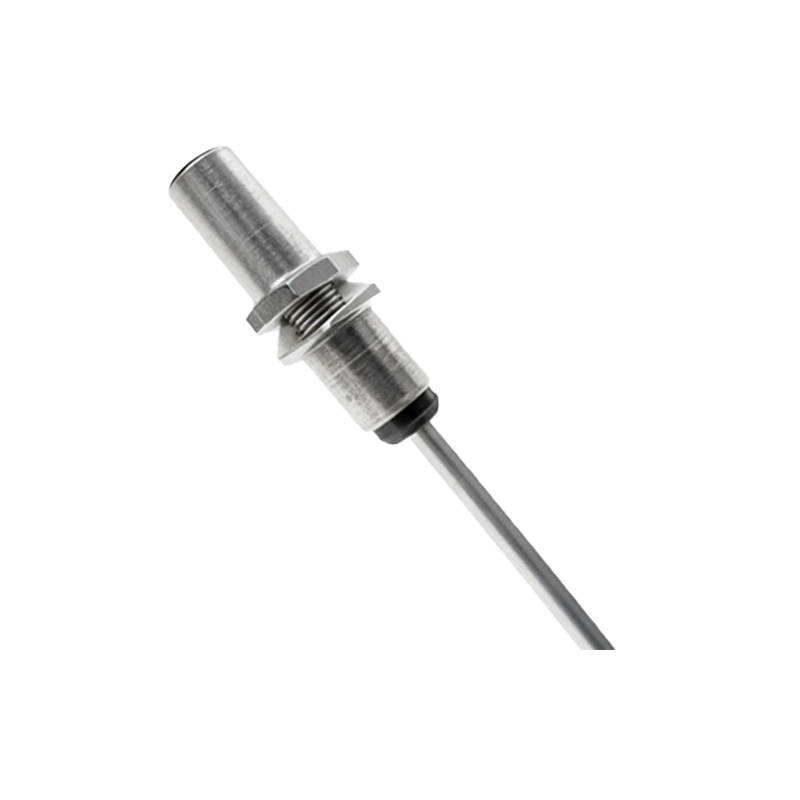
Food and beverage production presents unique demands, including hygiene, moisture resistance, and compatibility with washdown environments. Photoelectric sensors with IP67 or higher ratings withstand frequent cleaning and exposure to steam or chemicals. They detect bottles on filling lines, control cap placement, and inspect packaging for seal integrity. In pharmaceutical manufacturing, sensors ensure precise tablet counting and verify blister pack completeness, adhering to stringent regulatory standards.
Logistics and warehousing benefit from photoelectric sensors in automated guided vehicles (AGVs) and inventory management systems. Sensors guide AGVs along predefined paths, avoid obstacles, and facilitate palletizing operations. Barcode scanners, which use photoelectric technology, enable real-time tracking of goods, improving supply chain visibility. In security systems, photoelectric beams form invisible barriers to detect intrusions in sensitive areas, such as data centers or perimeter fences.
Despite their advantages, selecting the appropriate photoelectric sensor requires careful consideration of factors like sensing distance, environmental conditions (e.g., dust, fog, or ambient light interference), and target material properties. Through-beam sensors offer the longest range and highest reliability but require separate emitter and receiver units. Retro-reflective sensors use a reflector to bounce light back, simplifying installation, while diffuse sensors rely on object reflection, ideal for detecting non-uniform surfaces. Recent advancements include background suppression sensors that ignore distant objects and color contrast sensors for differentiation based on hue or reflectance.
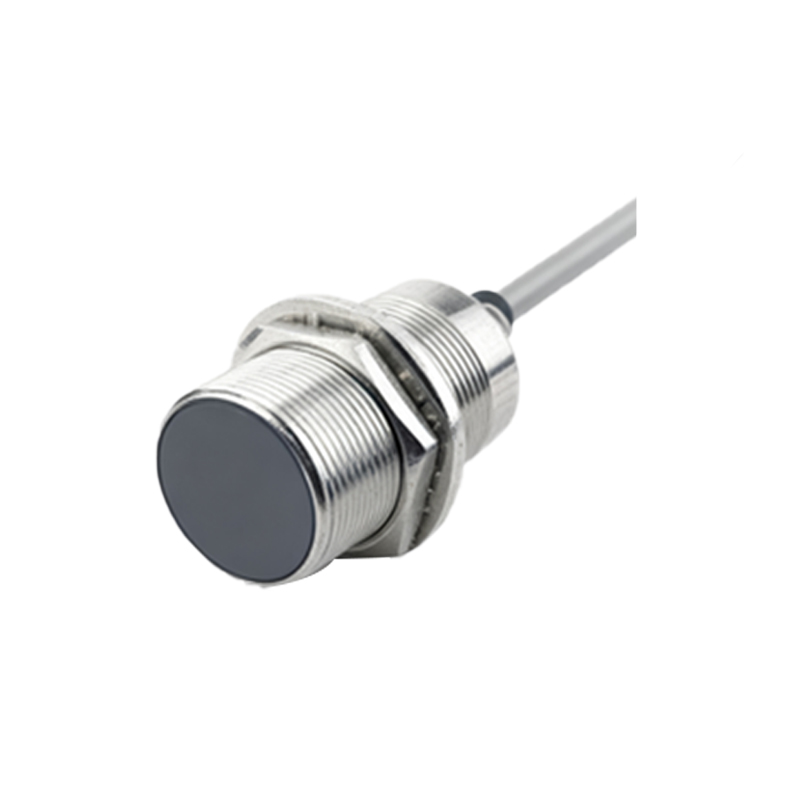
In conclusion, photoelectric proximity sensors are pivotal in driving industrial innovation, from smart factories to sustainable energy systems. Their adaptability, coupled with ongoing improvements in miniaturization, connectivity (e.g., IO-Link), and robustness, ensures they will remain at the forefront of automation technology. Engineers and system integrators must stay informed about emerging trends, such as integrated diagnostics and wireless capabilities, to leverage these sensors for enhanced operational excellence.