In the high-precision, high-speed world of plastic injection molding, the reliability of every component is paramount to production efficiency, product quality, and operational safety. Among the myriad of sensors employed, proximity switch sensors stand out as critical, non-contact workhorses. These devices silently orchestrate the precise movements of the injection molding cycle, from mold clamping and injection to ejection and part removal. This article delves into the technical aspects, selection criteria, and application best practices for proximity sensors within this demanding industrial environment.
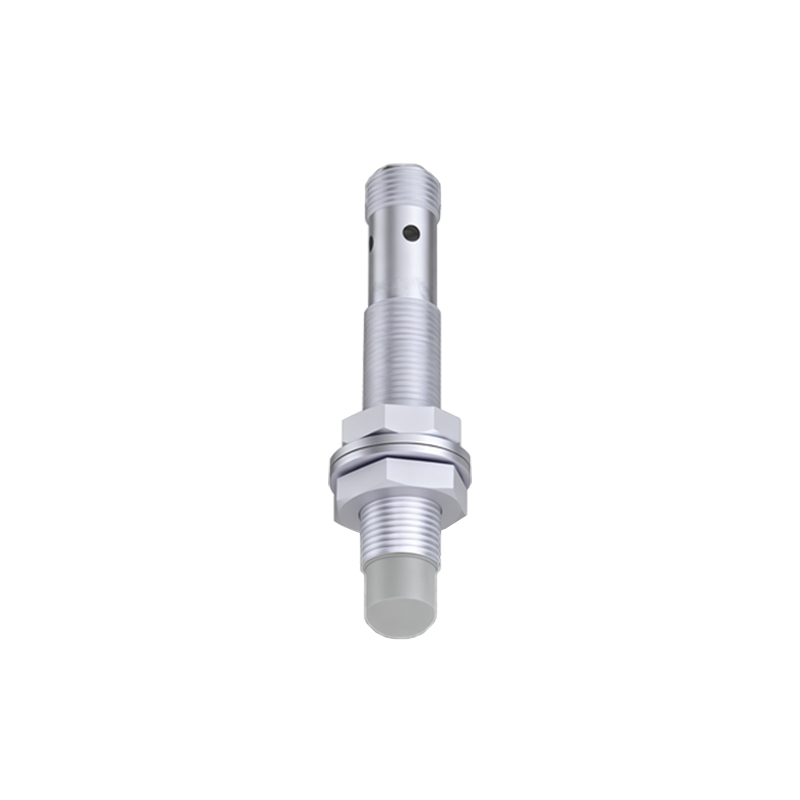
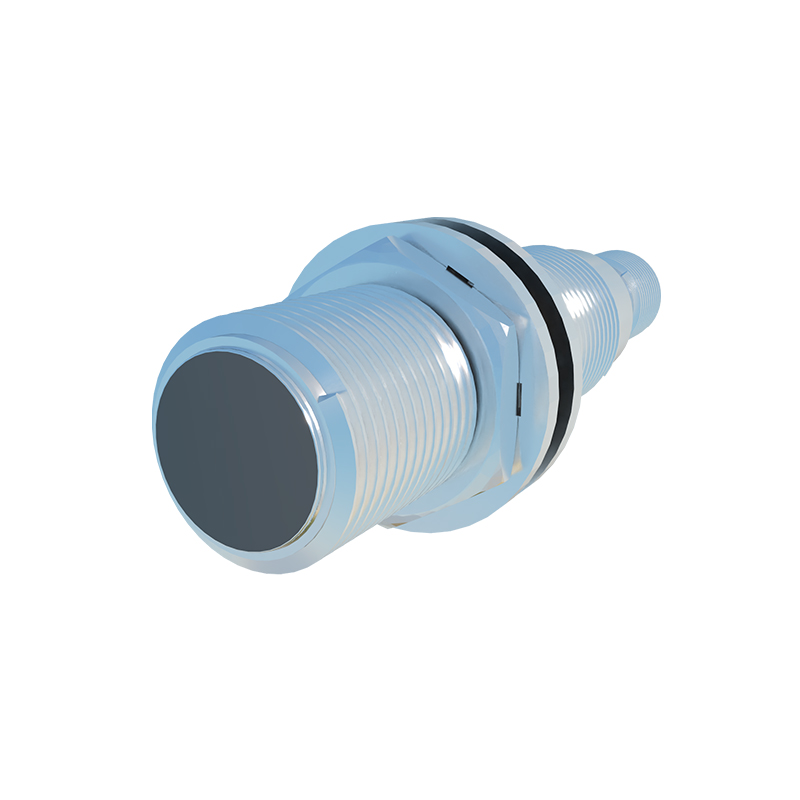
Proximity sensors in injection molding machines are primarily inductive types, designed to detect the presence or absence of metallic targets—typically the machine's platens, ejector rods, or safety guards—without physical contact. Their operating principle is based on generating an electromagnetic field. When a metallic object enters this field, it induces eddy currents within the target, causing a change in the sensor's oscillation amplitude. This change is detected by the internal circuitry, which subsequently switches the output state (e.g., from OFF to ON). This non-contact nature eliminates mechanical wear, ensures long service life, and provides highly repeatable positioning signals, which are essential for maintaining consistent cycle times.
The selection of the appropriate proximity sensor is a nuanced engineering decision. Key parameters include sensing distance, temperature rating, housing material, and output type. Given the harsh conditions near the mold—characterized by high ambient temperatures, potential exposure to hydraulic oil, plasticizers, and mechanical vibration—sensors must be robust. Stainless steel housings (e.g., V2A or V4A grades) are often mandatory to resist corrosion from release agents and condensation. Temperature stability is crucial; sensors must maintain specified performance within a range often exceeding 80°C near the mold clamp. Furthermore, the sensing distance must be chosen with a safety margin (typically 70-80% of the nominal value) to account for mechanical tolerances and thermal expansion of machine components during operation.
A primary application is end-position detection for the moving platen during the clamping and opening phases. Sensors provide the definitive signal that the mold is fully closed and locked, permitting the high-pressure injection phase to commence safely. Similarly, they confirm the mold is fully open before the ejection cycle begins. In ejection systems, sensors monitor the forward and return strokes of ejector pins, ensuring parts are fully released without causing damage. They are also integral to safety interlocks, guarding access doors to prevent machine operation when doors are open, thereby protecting personnel.
Despite their robustness, proximity sensors can face challenges. Accumulation of metallic dust or swarf from wear parts can cause false triggering. Ferritic and austenitic steels have different effects on sensing ranges, requiring consideration during target material selection. Electrical noise from high-power drives and solenoids is another common issue, necessitating proper shielding, grounding, and the use of sensors with built-in noise immunity. Regular maintenance, including visual inspection for physical damage and cleaning of the sensing face, is recommended to prevent unexpected downtime.
The evolution towards Industry 4.0 and smart manufacturing is influencing sensor technology in injection molding. Modern sensors offer advanced diagnostics via IO-Link communication, providing real-time data on operational status, temperature warnings, and signal strength. This predictive maintenance capability allows engineers to address potential failures before they cause production stoppages, enhancing Overall Equipment Effectiveness (OEE).
In conclusion, proximity switch sensors are indispensable for the automated, precise, and safe operation of plastic injection molding machines. Their correct selection, based on a thorough understanding of the application's environmental and technical demands, and their proper installation and maintenance, are fundamental to achieving optimal machine performance, high product quality, and sustained productivity in a competitive manufacturing landscape. Engineers must treat these components not as simple switches but as precision instruments critical to the system's integrity.