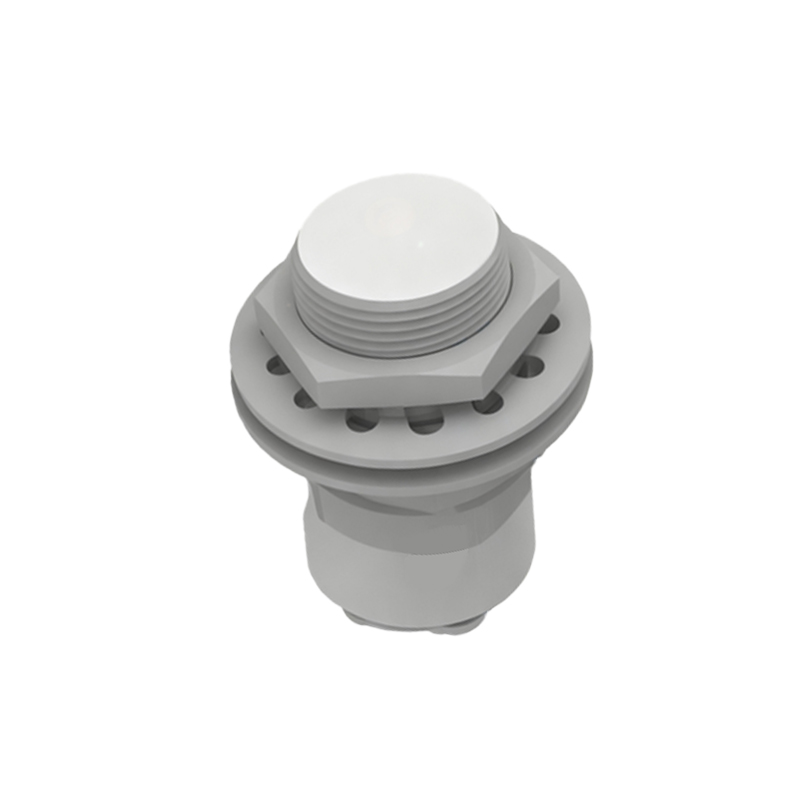
The NL30FT16C is a robust and highly reliable inductive proximity sensor designed for industrial automation applications. As a non-contact sensing solution, it detects the presence of metallic objects without physical interaction, making it ideal for harsh environments where durability and precision are paramount. This sensor operates on the principle of electromagnetic induction, generating an oscillating electromagnetic field from its sensing face. When a metallic target enters this field, eddy currents are induced, causing a change in oscillation amplitude. The sensor's internal circuitry detects this change and triggers a switching signal, typically in the form of a solid-state NPN or PNP output, depending on the specific model configuration.
Constructed with a nickel-plated brass housing, the NL30FT16C offers excellent resistance to corrosion, oils, and coolants, ensuring long-term performance in demanding settings such as machining centers, assembly lines, and material handling systems. Its 30mm diameter cylindrical form factor (M30 x 1.5 mounting thread) allows for easy integration into standard industrial fixtures. The sensor features a sensing range of up to 16mm for ferrous metals like steel and iron, though this range may reduce for non-ferrous metals such as aluminum or copper due to differences in electromagnetic properties. Key specifications include a switching frequency of up to 1kHz, enabling rapid detection in high-speed applications, and a voltage operating range of 10-30V DC, compatible with most industrial control systems.
One of the standout features of the NL30FT16C is its embedded protection against common electrical issues. It includes reverse polarity protection to prevent damage from incorrect wiring, short-circuit protection to safeguard against output overloads, and surge suppression to minimize the impact of voltage spikes. Additionally, many variants come with an LED status indicator that provides visual feedback on the sensor's operation—steady illumination for power-on and blinking or color changes to indicate target detection or fault conditions. This simplifies installation, troubleshooting, and maintenance processes.
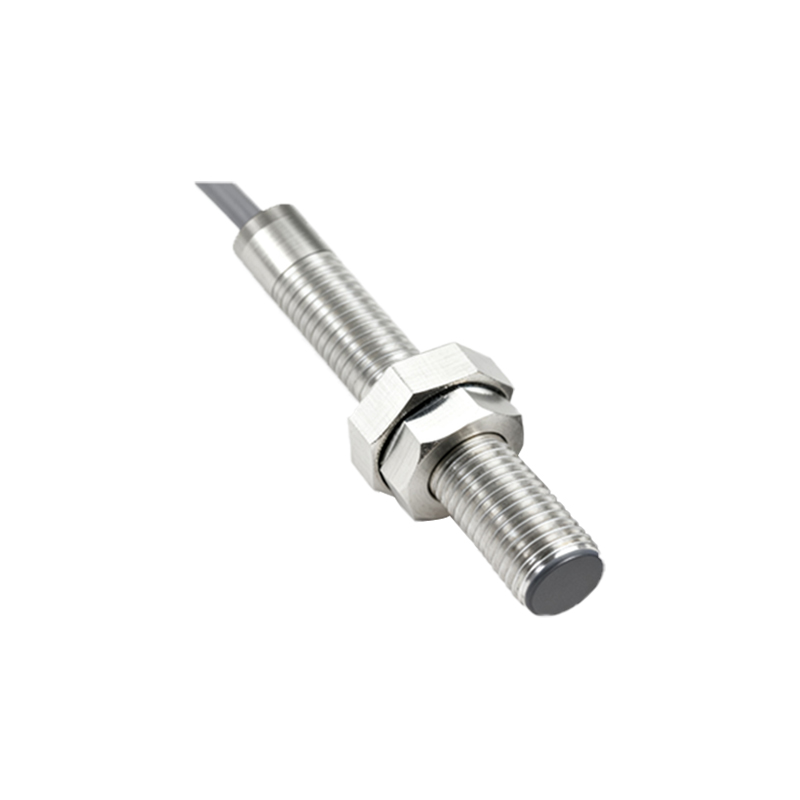
In practical applications, the NL30FT16C excels in tasks such as position sensing, part counting, and end-of-travel detection. For example, in conveyor systems, it can monitor the passage of metal components to trigger sorting mechanisms or tally production counts. In robotic arms, it ensures accurate positioning by confirming the presence of grippers or tools. Its high ingress protection rating (typically IP67 or higher) allows it to operate reliably in dusty or wet conditions, further expanding its usability across industries like automotive manufacturing, packaging, and heavy machinery.
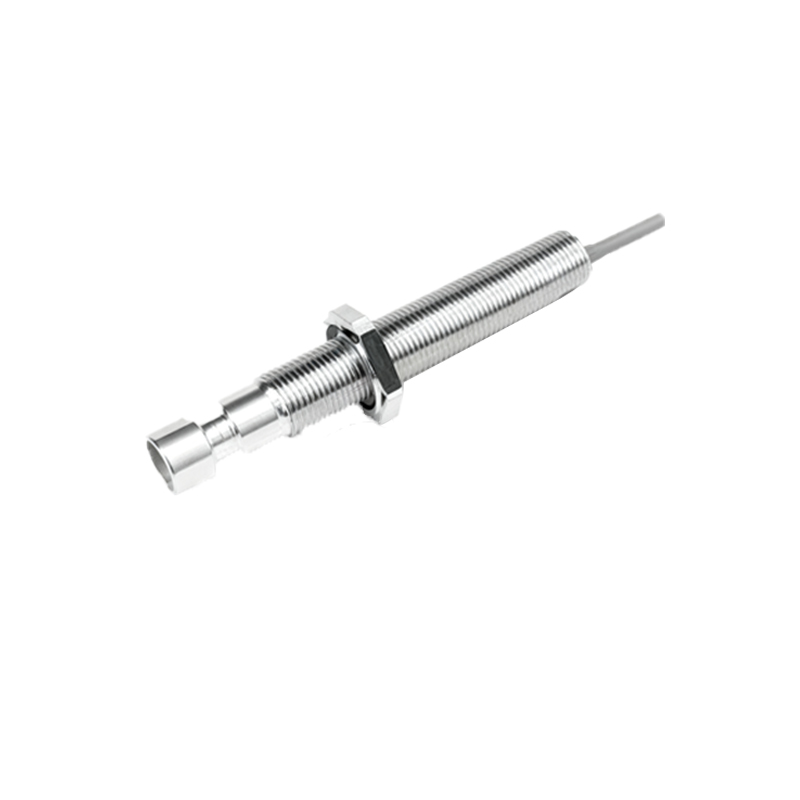
When installing the NL30FT16C, proper alignment and mounting are critical to optimize performance. The sensor should be positioned perpendicular to the target's approach direction, with the sensing face parallel to the target surface. Environmental factors such as adjacent metal structures, electromagnetic interference from motors or welders, and temperature extremes can affect sensitivity, so adequate clearance and shielding are recommended. Regular calibration checks using test targets can help maintain accuracy over time.
In summary, the NL30FT16C inductive proximity sensor combines rugged construction, precise detection capabilities, and user-friendly features to meet the needs of modern industrial automation. Its versatility and reliability make it a preferred choice for engineers seeking efficient, maintenance-free sensing solutions. By understanding its technical parameters and application best practices, users can leverage this sensor to enhance system efficiency, reduce downtime, and improve overall operational safety.