In the realm of industrial automation, cylindrical proximity sensors stand as fundamental components, enabling non-contact detection of metallic and non-metallic objects with precision and reliability. As a seasoned electrical engineer specializing in sensor technology, I aim to elucidate the intricate manufacturing processes, technological advancements, and quality assurance protocols that define leading cylindrical proximity sensor factories.
The production of cylindrical proximity sensors begins with meticulous design and material selection. High-grade stainless steel, nickel-plated brass, or PBT plastic housings are commonly employed to ensure durability in harsh industrial environments, resisting factors like moisture, chemicals, and mechanical stress. The core sensing element, typically based on inductive, capacitive, or magnetic principles, is engineered for specific detection ranges—from a few millimeters to several centimeters. Factories utilize advanced CAD software for prototyping, simulating electromagnetic fields to optimize sensitivity and minimize interference from external sources.
Manufacturing lines in top-tier facilities are highly automated, integrating robotics for assembly, calibration, and testing. The assembly process involves precise placement of coils, oscillators, and signal conditioning circuits within the cylindrical housing. Inductive sensors, for instance, require winding fine copper wire into coils that generate electromagnetic fields, while capacitive variants incorporate electrode plates for detecting dielectric materials. Automated soldering and encapsulation ensure electrical integrity and protection against environmental contaminants.
Quality control is paramount in cylindrical proximity sensor production. Each unit undergoes rigorous testing, including temperature cycling from -25°C to 70°C to verify thermal stability, IP67 or IP68 rating checks for ingress protection, and EMC testing to guarantee immunity to electromagnetic interference. Factories implement statistical process control (SPC) to monitor production metrics, reducing defect rates to below 0.1%. Additionally, calibration against certified reference standards ensures output signals—such as NPN/PNP or analog 4-20mA—meet industry specifications like IEC 60947-5-2.
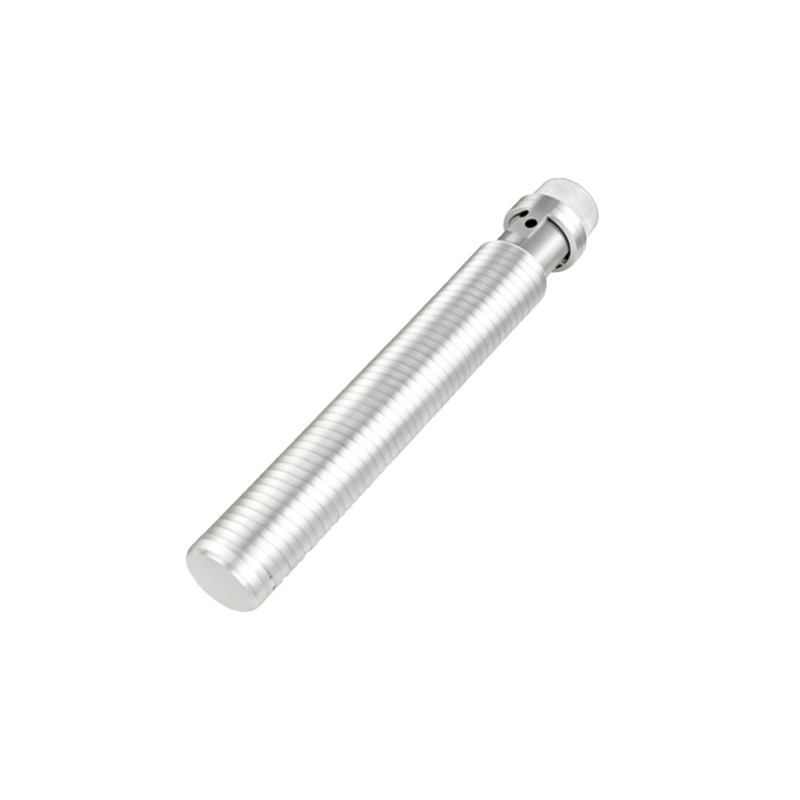
Technological innovations are reshaping the industry. Smart sensors with IO-Link communication enable real-time diagnostics and parameter adjustments, enhancing Industry 4.0 integration. Miniaturization trends have led to compact M8 and M12 threaded designs, ideal for space-constrained applications in robotics and packaging machinery. Furthermore, energy-efficient models with low power consumption are gaining traction, aligning with global sustainability initiatives.
Supply chain management in cylindrical sensor manufacturing involves sourcing components from certified suppliers to maintain consistency. Factories often adhere to ISO 9001 quality management systems, with some achieving automotive-grade IATF 16949 certification for sensors used in vehicular automation. Just-in-time (JIT) production methods help reduce inventory costs while meeting global demand from sectors like automotive, food processing, and pharmaceuticals.
In conclusion, cylindrical proximity sensor factories combine engineering expertise with cutting-edge automation to deliver reliable, high-performance components. As industries increasingly adopt automated solutions, the role of these sensors will continue to expand, driven by advancements in precision, connectivity, and environmental resilience. For engineers and procurement specialists, understanding these manufacturing nuances is crucial for selecting sensors that enhance operational efficiency and system longevity.