In the rapidly evolving landscape of industrial automation, proximity sensors have emerged as critical components for enabling precise, non-contact detection in manufacturing processes. These sensors, which detect the presence or absence of objects without physical contact, are integral to applications ranging from assembly lines and robotics to safety systems and quality control. The automated production of proximity sensors represents a significant advancement, leveraging cutting-edge technologies to meet the growing demand for reliability, consistency, and scalability in electrical engineering and industrial sectors.
The journey of automated proximity sensor production begins with advanced design and simulation tools. Engineers utilize computer-aided design (CAD) and finite element analysis (FEA) software to model sensor performance under various conditions, optimizing parameters such as sensing range, response time, and environmental resilience. This digital prototyping phase minimizes trial-and-error, reducing development cycles and ensuring that sensors are tailored to specific industrial needs, whether for inductive, capacitive, or magnetic sensing applications.
Once designs are finalized, production transitions to highly automated manufacturing lines. Key stages include precision component fabrication, where robotic systems assemble core elements like coils, oscillators, and housing materials with micron-level accuracy. Automated optical inspection (AOI) systems are deployed to verify component integrity, detecting defects such as misalignments or material flaws that could compromise sensor functionality. This level of precision is crucial, as even minor deviations can affect detection reliability in harsh industrial environments.
In the assembly phase, automated guided vehicles (AGVs) and collaborative robots (cobots) streamline workflows by transporting components between stations. Soldering and welding processes are often automated using programmable logic controllers (PLCs) and vision systems to ensure consistent electrical connections and structural integrity. For example, surface-mount technology (SMT) lines place miniature electronic components onto printed circuit boards (PCBs) at high speeds, enhancing production throughput while maintaining tight tolerances required for sensor sensitivity.
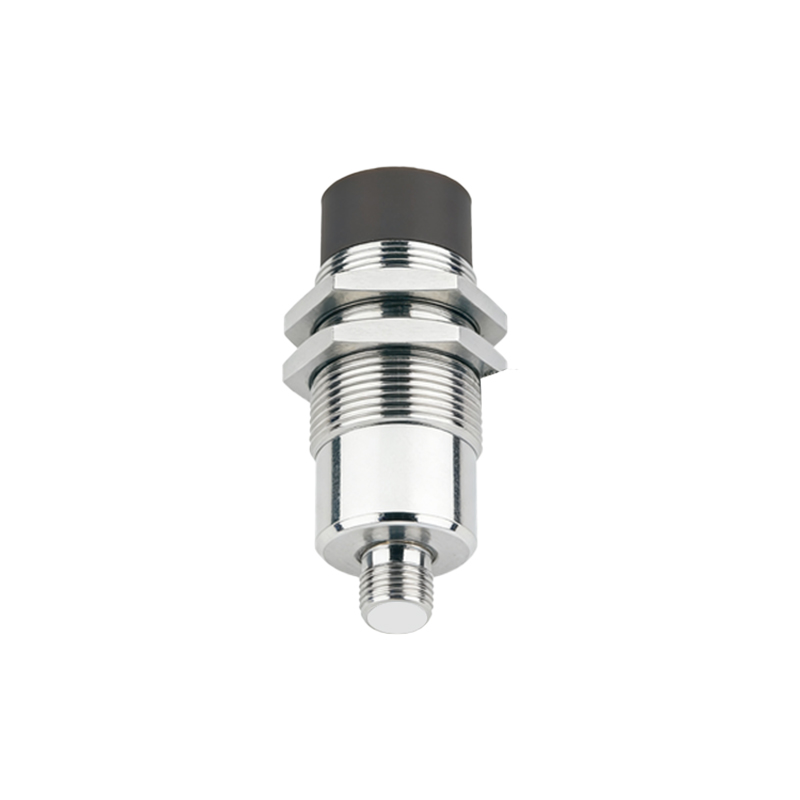
Calibration and testing are pivotal in automated production, where sensors undergo rigorous validation to meet industry standards. Automated test equipment (ATE) simulates real-world operating conditions, adjusting parameters like temperature, humidity, and electromagnetic interference. Data from these tests are analyzed using machine learning algorithms to identify patterns and predict potential failures, enabling real-time adjustments in the production line. This data-driven approach not only improves quality assurance but also supports predictive maintenance, reducing downtime and operational costs.
The integration of Industry 4.0 principles further elevates automated sensor production. Internet of Things (IoT) connectivity allows for real-time monitoring of production metrics, from energy consumption to yield rates, facilitating continuous optimization. Digital twins—virtual replicas of physical production systems—enable engineers to simulate and refine processes before implementation, enhancing agility in response to market changes. Additionally, supply chain automation ensures just-in-time delivery of raw materials, minimizing inventory costs and supporting sustainable manufacturing practices.
Benefits of automated proximity sensor production are manifold. Firstly, it enhances product consistency, as automated systems eliminate human variability, leading to sensors with uniform performance characteristics. Secondly, efficiency gains are substantial; automated lines can operate 24/7 with minimal supervision, boosting output while reducing labor costs. Thirdly, quality improvements translate to higher reliability in end-use applications, such as in automotive manufacturing or pharmaceutical packaging, where sensor failures can cause costly disruptions. Finally, scalability is achieved more easily, allowing manufacturers to ramp up production to meet global demand without compromising on standards.
Looking ahead, trends like artificial intelligence (AI) and additive manufacturing (3D printing) are set to revolutionize this field further. AI can optimize production schedules and defect detection, while 3D printing enables rapid prototyping of custom sensor housings or complex geometries. As industries increasingly adopt smart factories, the role of automated proximity sensor production will expand, driving innovations in safety, efficiency, and connectivity.
In conclusion, the automated production of proximity sensors exemplifies the synergy between electrical engineering and advanced manufacturing technologies. By embracing automation, manufacturers can deliver high-quality, reliable sensors that underpin modern industrial automation, fostering a more productive and resilient global economy.