In the realm of industrial automation and machine design, proximity sensors stand as silent sentinels, enabling precise, non-contact detection of objects. This demonstration video analysis provides a comprehensive technical overview for fellow engineers, dissecting the operational principles, key performance metrics, and practical application considerations of these critical components.
The video begins by showcasing the core advantage of proximity sensors: their ability to detect the presence or absence of a metallic or non-metallic target without physical contact. This eliminates mechanical wear and tear, ensuring long-term reliability and high-speed operation. The footage clearly illustrates the instantaneous response time as a metal actuator passes by the sensor face, triggering a crisp, clean switching signal on the connected PLC input module. This visual evidence underscores the sensor's role in critical applications like position verification, counting, and end-of-travel limit sensing.
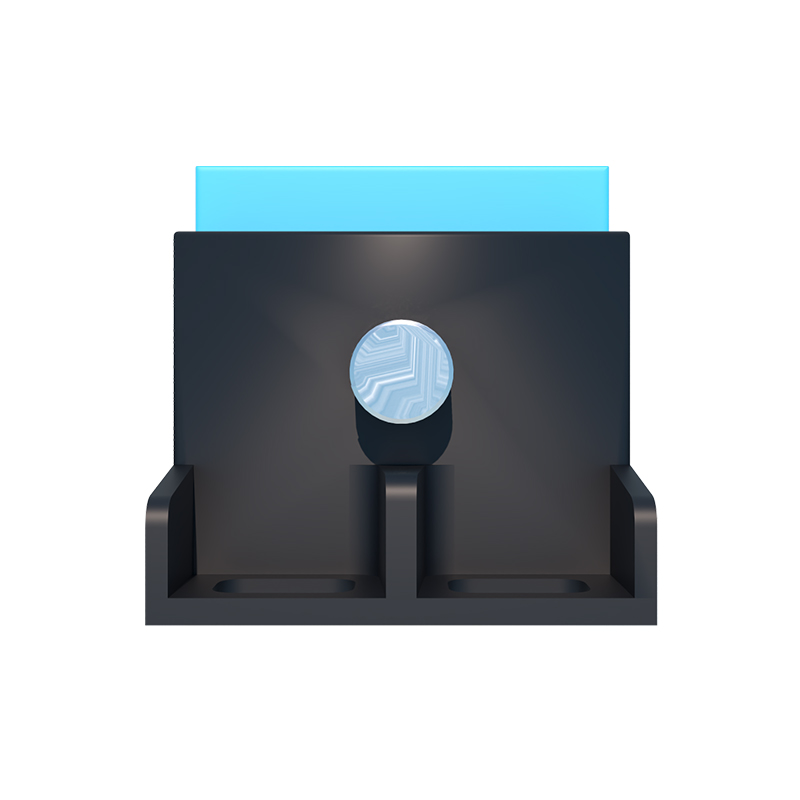
A significant portion of the demonstration is dedicated to differentiating between the two primary technologies: inductive and capacitive proximity sensors. The inductive sensor is shown detecting various ferrous and non-ferrous metal targets. The video effectively highlights the differential sensing distances for different materials—steel, aluminum, brass—emphasizing the importance of consulting the sensor's specification sheet for precise reduction factors. The capacitive sensor demonstration is equally insightful. It is shown detecting materials like plastic, glass, and liquids by measuring changes in capacitance, making it ideal for applications involving non-metallic objects or level detection through a container wall. The side-by-side comparison is invaluable for selection.
Technical specifications are not merely listed but demonstrated. The concept of "nominal sensing distance (Sn)" is shown with calibrated test targets, while the "hysteresis" zone—the difference between the switch-on and switch-off points—is visually mapped to explain its role in preventing output chatter in unstable environments. The video also addresses environmental robustness. Scenes depict sensors operating reliably amidst coolant spray, metallic chips, and significant electromagnetic interference, highlighting typical Ingress Protection (IP) ratings like IP67 and electromagnetic compatibility (EMC) immunity.
Installation best practices form a crucial segment. The narration emphasizes avoiding flush mounting in certain scenarios to maximize sensing range and the critical need to maintain proper clearance between multiple sensors to prevent mutual interference. The effects of different target shapes, sizes, and approach angles on the effective sensing range are demonstrated with practical examples, providing immediate, actionable design guidance.
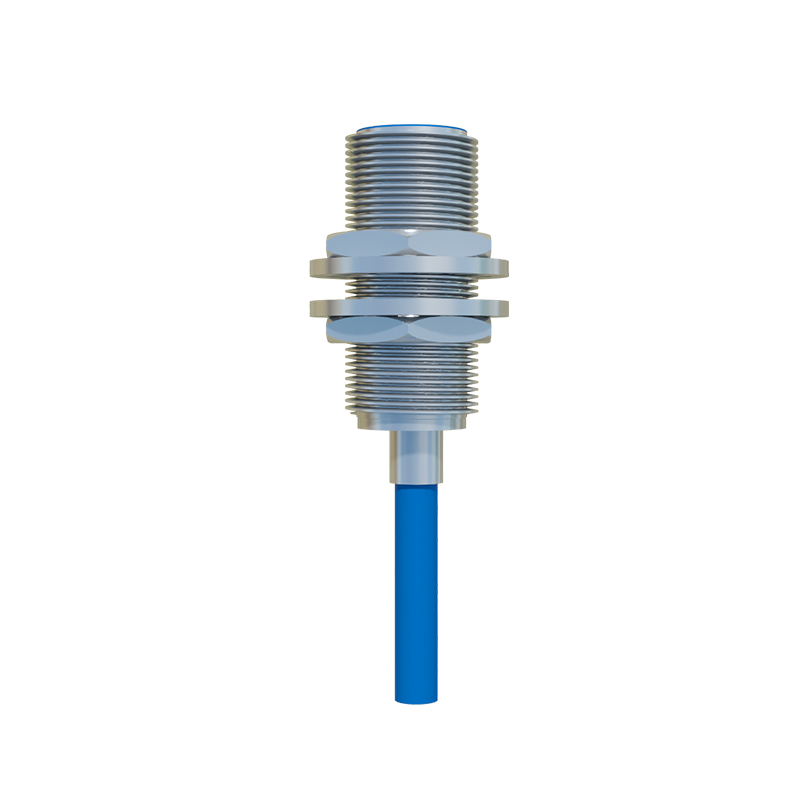
Finally, the video explores output configurations. The operation of both NPN (sinking) and PNP (sourcing) DC outputs, as well as the two-wire AC variants, is shown with clear wiring diagrams and oscilloscope readings of the output signal. This clarifies compatibility with different control system architectures. Troubleshooting tips, such as using LED indicators to diagnose power, output status, and overload conditions, conclude the demonstration on a practical note.
This detailed walkthrough transcends a simple product showcase. It serves as an engineering reference, reinforcing that successful implementation hinges on understanding the underlying physics, meticulously reviewing datasheet parameters, and anticipating real-world installation conditions. The right proximity sensor, correctly specified and installed, becomes a cornerstone of efficient, fail-safe automated system design.