In the realm of industrial automation, the Heidelberg CD102 proximity switch sensor stands as a benchmark for precision, durability, and reliability. Designed to meet the rigorous demands of modern manufacturing environments, this sensor exemplifies advanced engineering tailored for applications where accuracy and consistent performance are non-negotiable. The CD102 series, often integrated into high-speed printing machinery, packaging lines, and automated assembly systems, offers a robust solution for object detection, positioning, and control without physical contact.
The core technology of the Heidelberg CD102 revolves around inductive sensing principles. It generates an electromagnetic field to detect metallic objects within its specified range, ensuring rapid response times and high repeatability. This non-contact operation minimizes wear and tear, significantly extending the sensor's operational lifespan compared to mechanical switches. With a typical sensing distance optimized for industrial setups, the CD102 can reliably identify targets even in challenging conditions, such as exposure to dust, moisture, or temperature variations. Its housing is constructed from high-grade materials, providing resistance to mechanical shocks and chemical corrosion, which is crucial for maintaining uptime in facilities like automotive plants or food processing units.
Installation and integration of the CD102 sensor are streamlined for efficiency. Featuring standardized mounting options and connection interfaces, it seamlessly interfaces with PLCs (Programmable Logic Controllers) and other control systems. The sensor outputs a clear digital signal, enabling real-time feedback for automated processes. Many models include LED indicators for status monitoring, simplifying diagnostics and maintenance. This user-centric design reduces setup time and enhances overall system productivity, allowing engineers to focus on optimization rather than troubleshooting.
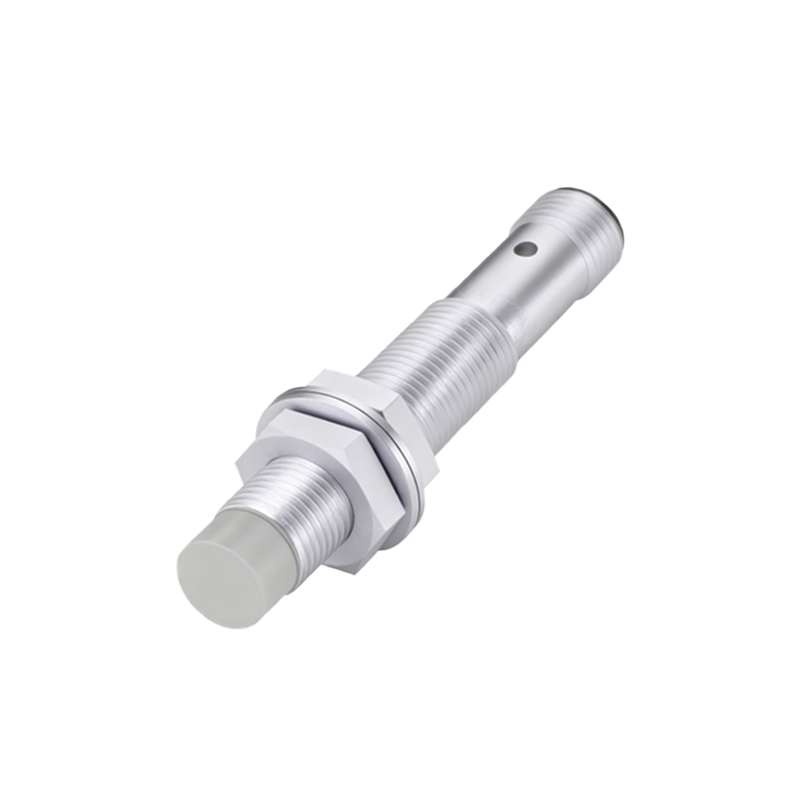
From an application perspective, the Heidelberg CD102 is versatile. In printing industries, it ensures precise paper alignment and jam detection in presses. In automotive manufacturing, it monitors component placement on conveyor belts. Its immunity to environmental interference makes it suitable for harsh settings, including outdoor logistics or heavy machinery operations. Additionally, the sensor complies with international safety and electromagnetic compatibility standards, ensuring it meets regulatory requirements across global markets.
Performance metrics highlight the CD102's superiority. With a high switching frequency and minimal hysteresis, it supports fast-paced production lines without lag. Energy efficiency is another key attribute, as the sensor consumes low power while delivering stable operation. For industries prioritizing sustainability and cost-effectiveness, this translates to reduced operational expenses over time. Regular calibration is rarely needed, thanks to its inherent stability, further lowering lifecycle costs.
In summary, the Heidelberg CD102 proximity switch sensor is a cornerstone of industrial automation, blending cutting-edge technology with practical design. Its ability to deliver unwavering accuracy under diverse conditions makes it a trusted choice for engineers worldwide. As industries evolve toward smarter, more connected systems, sensors like the CD102 will continue to play a pivotal role in enhancing efficiency, safety, and reliability. For professionals seeking a proven solution for non-contact detection, this sensor represents an investment in long-term operational excellence.