In the realm of industrial automation and electrical engineering, proximity sensors are indispensable components, widely used for detecting the presence or absence of objects without physical contact. A common question that arises among professionals is: "Can a proximity sensor still function when broken?" The answer is not straightforward, as it depends on the nature and extent of the damage, the sensor type, and the specific application.
Proximity sensors, including inductive, capacitive, and photoelectric variants, are designed with robust housings to withstand harsh environments. However, they are not immune to failures caused by mechanical stress, electrical surges, or environmental factors like moisture and extreme temperatures. When a sensor is "broken," it could refer to various issues: physical damage to the housing, internal circuit failure, or degradation of sensing elements.
In some cases, a proximity sensor with minor physical damage, such as a cracked casing, might continue to operate temporarily if the internal components remain intact. For instance, an inductive proximity sensor with a damaged plastic cover may still detect metallic objects, but its reliability and safety could be compromised. Moisture ingress or dust accumulation due to the crack can lead to intermittent signals or eventual failure, posing risks in precision-critical systems like assembly lines or safety interlocks.
However, if the damage affects the internal electronics—such as broken wiring, damaged oscillator coils in inductive sensors, or faulty photodiodes in photoelectric sensors—the sensor will likely cease to function entirely. Electrical failures often result in no output signal, constant activation, or erratic behavior, which can disrupt entire automation processes. For example, a broken capacitive sensor might fail to detect non-metallic materials, leading to production errors or equipment jams.
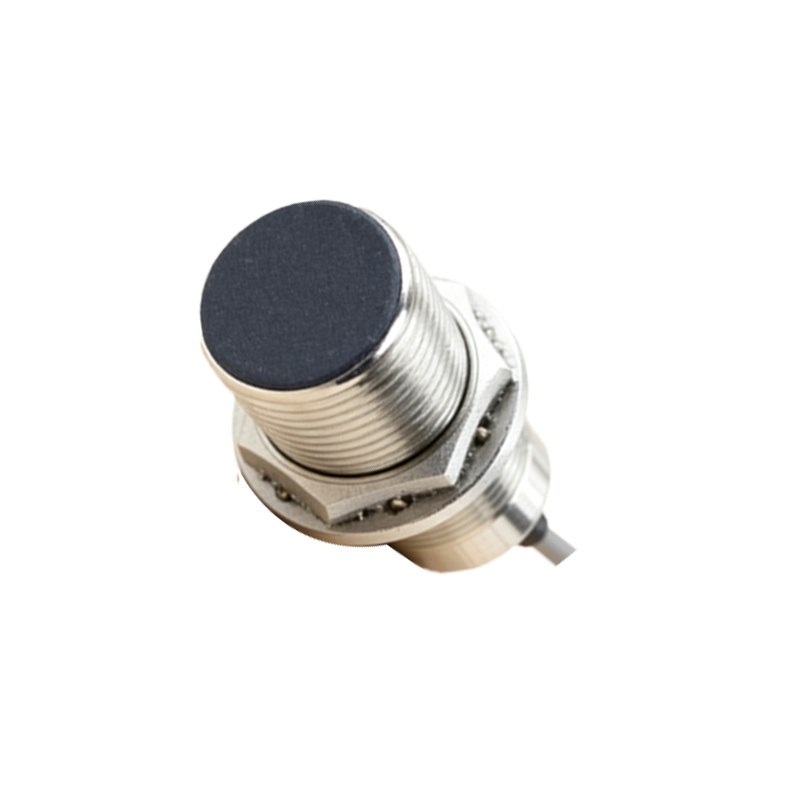
From a technical perspective, engineers should never rely on a broken proximity sensor for continuous operation. Even if it appears to work, the sensor's performance metrics—such as sensing distance, response time, and repeatability—may degrade, causing unpredictable outcomes. In industries like automotive manufacturing or packaging, where high accuracy is paramount, using a compromised sensor can result in costly downtime, product defects, or safety hazards.
To assess functionality, professionals can perform diagnostic checks using multimeters or oscilloscopes to measure output signals and power supply integrity. Visual inspections for physical damage, combined with testing in controlled environments, can help determine if repair or replacement is necessary. It's worth noting that some modern proximity sensors come with self-diagnostic features, alerting users to faults via LED indicators or communication protocols like IO-Link.
Ultimately, while a proximity sensor might occasionally operate when partially broken, it is not advisable to use it in any critical application. Best practices in electrical engineering emphasize proactive maintenance, regular calibration, and immediate replacement of damaged components to ensure system reliability and safety. Investing in high-quality sensors from reputable manufacturers, along with proper installation and environmental protection, can minimize the risk of breakage and extend operational life.
In conclusion, the functionality of a broken proximity sensor is highly situational and unreliable. Engineers should prioritize safety and efficiency by replacing damaged sensors promptly, adhering to industry standards such as IEC 60947-5-2 for proximity device specifications. By understanding failure modes and implementing robust maintenance strategies, professionals can optimize automation systems and avoid potential pitfalls associated with sensor failures.