In industrial automation and control systems, proximity sensors play a critical role in detecting the presence or absence of objects without physical contact. These sensors are widely used in manufacturing, robotics, automotive assembly, and material handling. However, their performance and longevity heavily depend on the protection structures designed to shield them from harsh environmental conditions and mechanical damage. This article explores various protection structures for proximity sensors, highlighting their importance, design considerations, and practical applications.
Proximity sensors, including inductive, capacitive, and photoelectric types, are often exposed to extreme factors such as dust, moisture, chemicals, vibration, and impact. Without adequate protection, sensor accuracy can degrade, leading to system failures, downtime, and increased maintenance costs. Therefore, engineers must prioritize robust protection structures during sensor selection and installation.
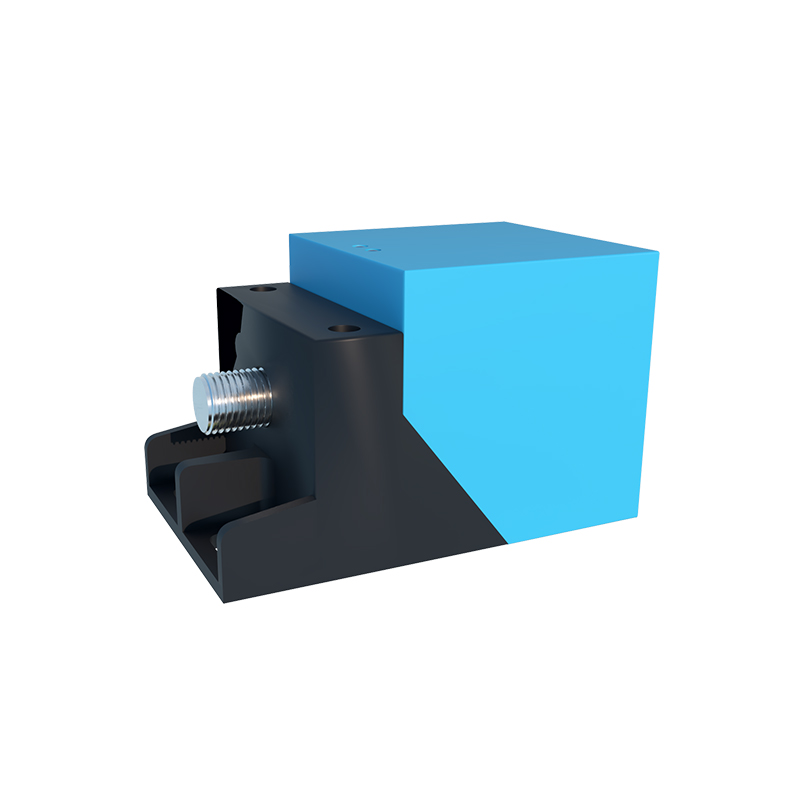
One common protection approach is the use of housings or enclosures. These are typically made from materials like stainless steel, aluminum, or engineered plastics, chosen based on the operating environment. For instance, stainless steel housings offer excellent corrosion resistance and durability in wet or chemically aggressive settings, such as food processing or chemical plants. Aluminum housings, being lightweight and cost-effective, are suitable for general industrial applications where moderate protection is needed. Engineered plastics, such as polyamide or PBT, provide insulation and resistance to abrasion, making them ideal for environments with electrical interference or high friction.
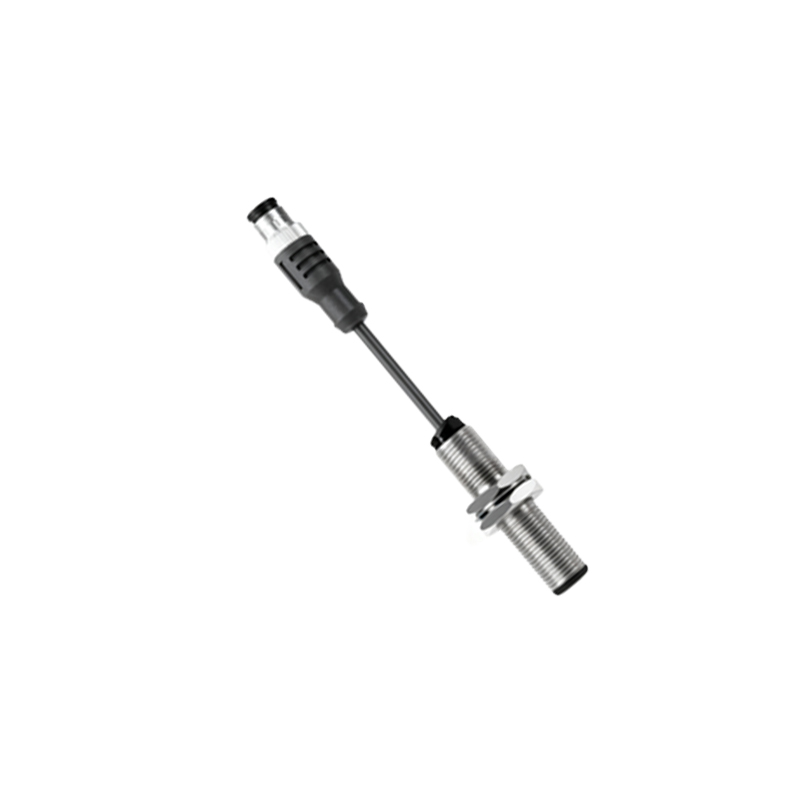
Another key protection structure involves sealing mechanisms. IP (Ingress Protection) ratings are crucial here, indicating the level of protection against solids and liquids. Sensors with IP67 or IP68 ratings are fully protected against dust and can withstand temporary or prolonged immersion in water, ensuring reliability in washdown areas or outdoor installations. Seals, often made from silicone or rubber, are integrated into sensor designs to prevent ingress of contaminants. Additionally, some sensors feature threaded or compression fittings that enhance sealing while allowing for easy mounting and adjustment.
For mechanical protection, shock-absorbing mounts and bumpers are employed. In high-vibration environments, such as those near heavy machinery or conveyor systems, sensors can experience premature wear or misalignment. Shock mounts, made from elastomers or springs, dampen vibrations and reduce stress on sensor components. Bumpers or guards, typically attached to the sensor face, shield it from direct impacts during accidental collisions with objects or equipment. These structures are especially vital in robotics and automated guided vehicles (AGVs), where sensors are prone to knocks.
Electrical protection is equally important. Proximity sensors often include built-in circuits for overload protection, reverse polarity protection, and short-circuit prevention. Surge suppressors or transient voltage suppressors (TVS) can be added to safeguard against voltage spikes from inductive loads or lightning strikes. Shielding, such as metal casings or foil wraps, minimizes electromagnetic interference (EMI) from nearby motors or power lines, ensuring stable signal transmission.
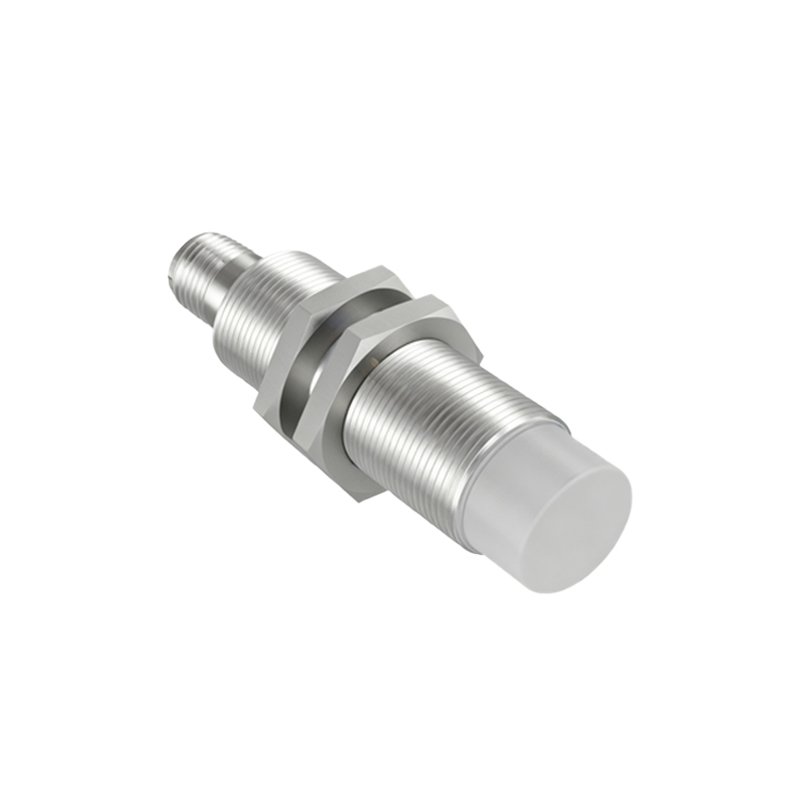
In specialized applications, custom protection structures may be developed. For example, in mining or construction, sensors might be housed in ruggedized casings with extra-thick walls to withstand extreme pressure and debris. In cleanrooms or semiconductor manufacturing, sensors could feature non-shedding materials and smooth surfaces to prevent particle generation. Thermal management, through heat sinks or cooling fins, is also considered for high-temperature operations to prevent sensor overheating.
Designing effective protection structures requires a balance between durability, cost, and functionality. Engineers must assess factors like environmental exposure, required sensor sensitivity, maintenance accessibility, and regulatory standards (e.g., ISO or UL certifications). Regular testing, including accelerated life tests and field trials, helps validate protection performance before full-scale deployment.
In practice, many industries have adopted modular protection systems. These allow sensors to be upgraded or replaced without redesigning entire setups. For instance, quick-disconnect couplings or slide-on covers enable easy maintenance in busy production lines. Smart sensors with self-diagnostic features can alert operators to protection breaches, such as seal failures or contamination buildup, facilitating proactive maintenance.
Overall, proximity sensor protection structures are integral to industrial reliability and safety. By investing in tailored designs, companies can enhance sensor lifespan, reduce operational disruptions, and improve overall system efficiency. As technology advances, trends like miniaturization and IoT integration are driving innovations in protective materials and smart monitoring, promising even more resilient solutions for future industrial challenges.