Proximity sensors are fundamental components in modern industrial automation, serving as the eyes of control systems by detecting the presence or absence of objects without physical contact. These devices are integral to various control architectures, enabling precise, reliable, and efficient operations across numerous sectors. Their non-contact nature ensures minimal wear, high durability, and consistent performance in demanding environments.
One of the primary applications of proximity sensors is within Programmable Logic Controller (PLC) based systems. In automated assembly lines, inductive proximity sensors detect metallic components, signaling the PLC to initiate subsequent actions like robotic arm movement, welding, or quality inspection. Capacitive sensors, capable of detecting non-metallic materials, are employed in packaging lines to monitor the presence of plastic bottles or cardboard boxes, ensuring proper filling and sealing sequences. The sensor's discrete signal (ON/OFF) acts as a critical input, triggering the PLC's programmed logic to control outputs like motors, valves, or actuators, forming a closed-loop control system essential for mass production.
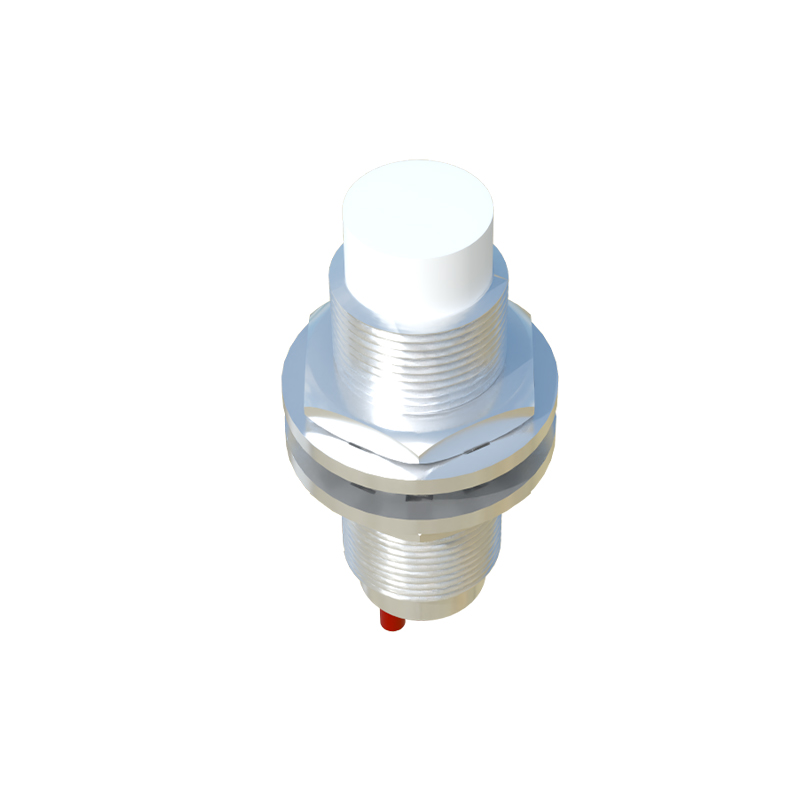
Another critical domain is Motor and Motion Control Systems. Here, proximity sensors provide vital feedback for position and speed control. In conveyor systems, they are used as limit switches or for counting objects. For instance, a sensor placed at a specific point can detect a passing item, allowing the control system to track production volume or position items for sorting. In servo and stepper motor applications, magnetic or inductive proximity sensors often function as homing sensors. They define a precise reference or "home" position, ensuring the motor starts its movement cycle from an exact location, which is crucial for CNC machines, robotic positioning, and precision staging equipment.
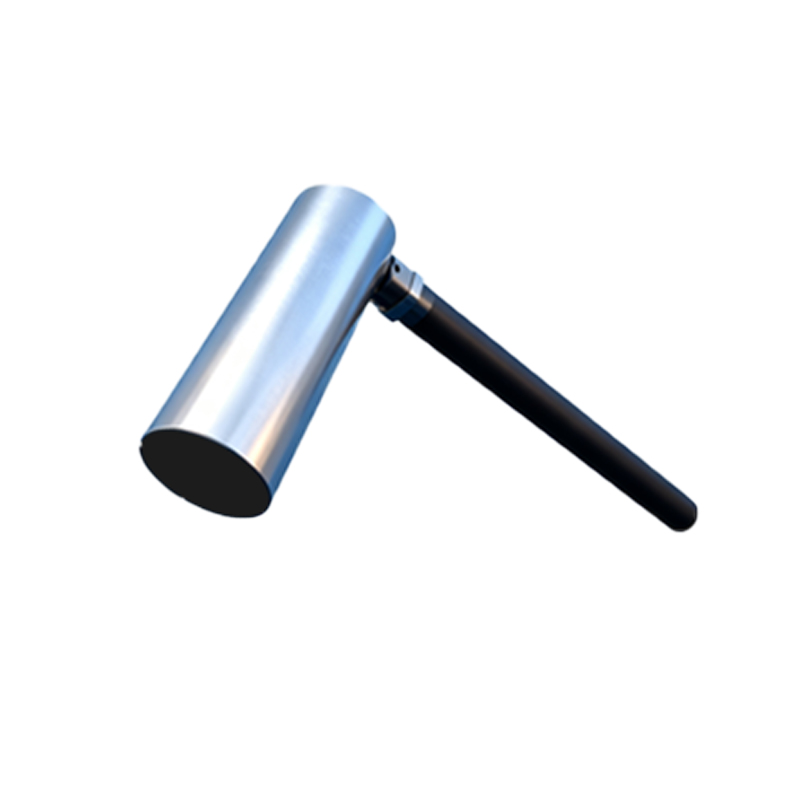
Safety and Interlock Control Systems heavily rely on proximity sensors to protect personnel and machinery. Safety-rated magnetic proximity sensors (often part of safety door switches) are installed on machine guards or access panels. If a guard is opened during operation, the sensor immediately signals the safety relay or safety PLC to initiate a controlled shutdown, isolating power and preventing potential hazards. This application is paramount in compliance with international safety standards like ISO 13849. Similarly, in automated guided vehicles (AGVs) and robotics, sensors create virtual safety zones, detecting human intrusion and triggering speed reduction or stop commands.
Furthermore, proximity sensors are embedded within Process Control Systems. In industries such as food and beverage or pharmaceuticals, level control in silos or tanks is managed using capacitive or ultrasonic proximity sensors. They monitor material levels (e.g., grains, liquids, powders) and provide input to the Distributed Control System (DCS) or supervisory control and data acquisition (SCADA) system. This data is used to automate filling processes, prevent overflows, and maintain inventory. In hydraulic and pneumatic systems, sensors detect piston rod position in cylinders, providing real-time feedback to controllers for precise stroke control and sequence validation.
The integration of proximity sensors extends to Quality Control and Inspection Systems. On high-speed production lines, sensors verify the presence of critical components—like a seal on a container or a chip on a circuit board—before the product proceeds to the next stage. A missing component detected by the sensor can trigger a reject mechanism or alert operators, minimizing defects. In metalworking, inductive sensors check for the presence of drill bits or tools, preventing machine operation if a tool is broken or absent.
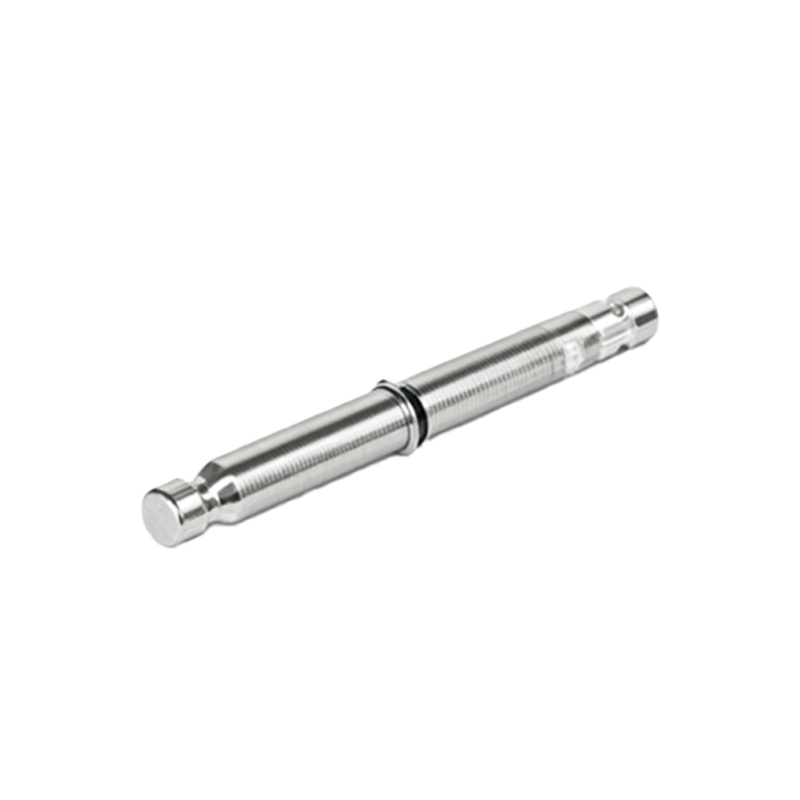
The choice of sensor type—inductive (for metals), capacitive (for various materials including liquids), magnetic (for permanent magnets), or ultrasonic (for distance measurement)—is dictated by the specific control system requirement, target material, environmental conditions (like temperature, moisture, or washdown needs), and required sensing range. Modern sensors offer advanced features like IO-Link communication, which integrates them into Industry 4.0 frameworks. IO-Link enables bidirectional data exchange, allowing the control system not only to receive the detection signal but also to monitor sensor health, adjust parameters remotely, and facilitate predictive maintenance.
In conclusion, proximity sensors are indispensable in creating responsive, automated, and safe industrial control ecosystems. From simple presence detection in a PLC rack to complex feedback loops in motion and process control, their role is pivotal. As control systems evolve towards greater connectivity and intelligence, the humble proximity sensor continues to adapt, providing the essential data layer upon which efficient and reliable industrial automation is built. Their correct selection, installation, and integration remain a cornerstone of effective control system design and implementation.