Proximity sensors are indispensable components in modern industrial automation, offering non-contact detection of objects within a specific range. Their reliability and versatility make them a cornerstone of efficient, safe, and intelligent manufacturing processes. Understanding their core features is crucial for engineers and system designers to select the optimal sensor for any given application. Here are seven defining characteristics that set proximity sensors apart.
First and foremost is their Non-Contact Operation. Unlike mechanical limit switches, proximity sensors detect the presence or absence of a target without physical touch. This eliminates mechanical wear and tear, significantly extending the sensor's operational lifespan. It also allows for high-speed detection, as there is no need for physical actuation force, enabling faster cycle times in machinery. This feature is fundamental to their application in delicate processes or with fragile materials where contact could cause damage.
The second key feature is their High Reliability and Long Service Life. With no moving parts subject to friction, and with solid-state electronic construction, these sensors are exceptionally robust. They are designed to withstand harsh industrial environments, including exposure to vibration, shock, moisture, and temperature extremes. This inherent durability translates to minimal maintenance requirements and reduced downtime, providing a high return on investment over many years of continuous operation.
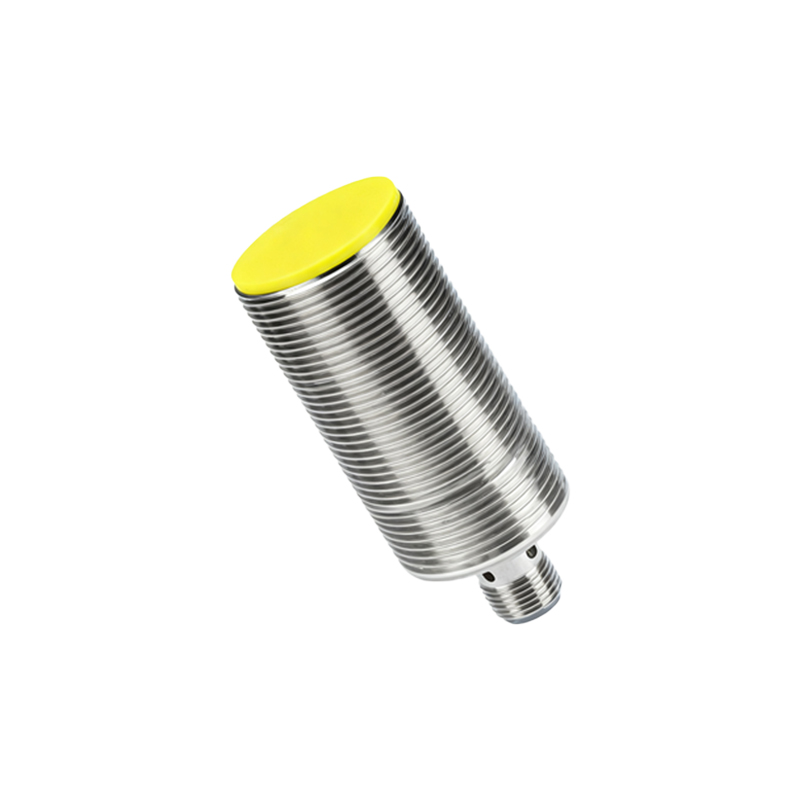
Third, High Switching Frequency and Fast Response Time are critical for dynamic applications. Modern inductive, capacitive, and photoelectric proximity sensors can detect objects at speeds measured in milliseconds or even microseconds. This allows them to be used in high-speed counting, sorting, and positioning tasks on fast-moving production lines, such as in packaging, automotive assembly, or semiconductor manufacturing, where precision timing is paramount.
Fourth, Environmental Resistance is a hallmark of industrial-grade proximity sensors. They are typically housed in rugged materials like nickel-plated brass, stainless steel, or PBT plastic. Many models offer high degrees of ingress protection (IP67, IP68, IP69K), making them resistant to dust, water jets, and even temporary immersion. This allows for installation in washdown areas, outdoor settings, or dirty machining environments without compromising performance.
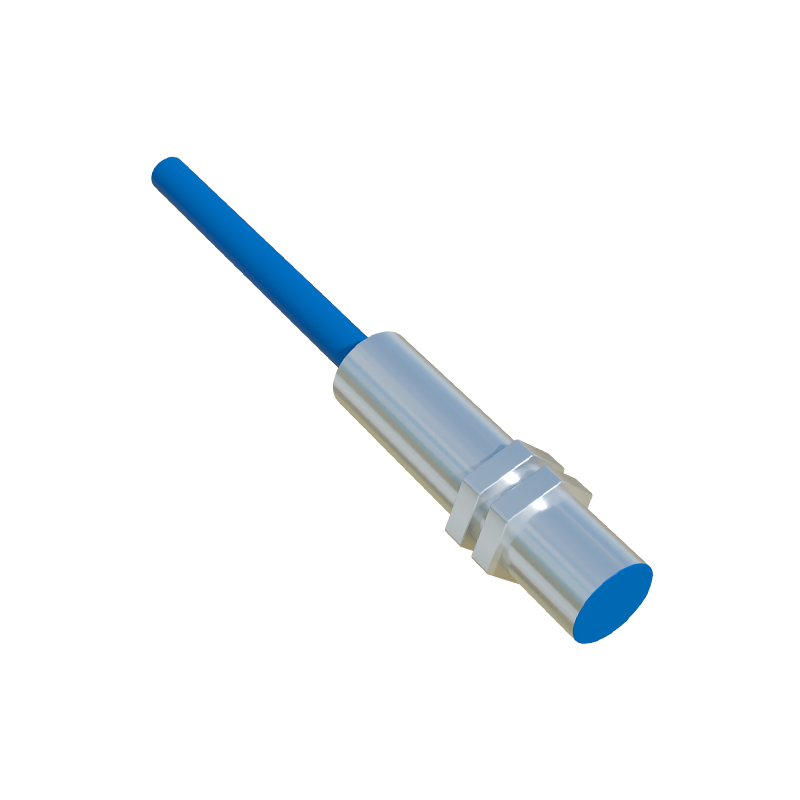
Fifth, the Ability to Detect a Wide Range of Materials varies by sensor type, which is a versatile feature. Inductive sensors detect metallic objects, primarily ferrous metals like steel and iron, with some models tuned for non-ferrous metals. Capacitive sensors can detect nearly any material—metals, plastics, wood, liquids, and granules—by sensing changes in dielectric constant. Photoelectric sensors use light beams to detect objects regardless of material composition. This variety allows engineers to choose the perfect sensing principle for the target material.
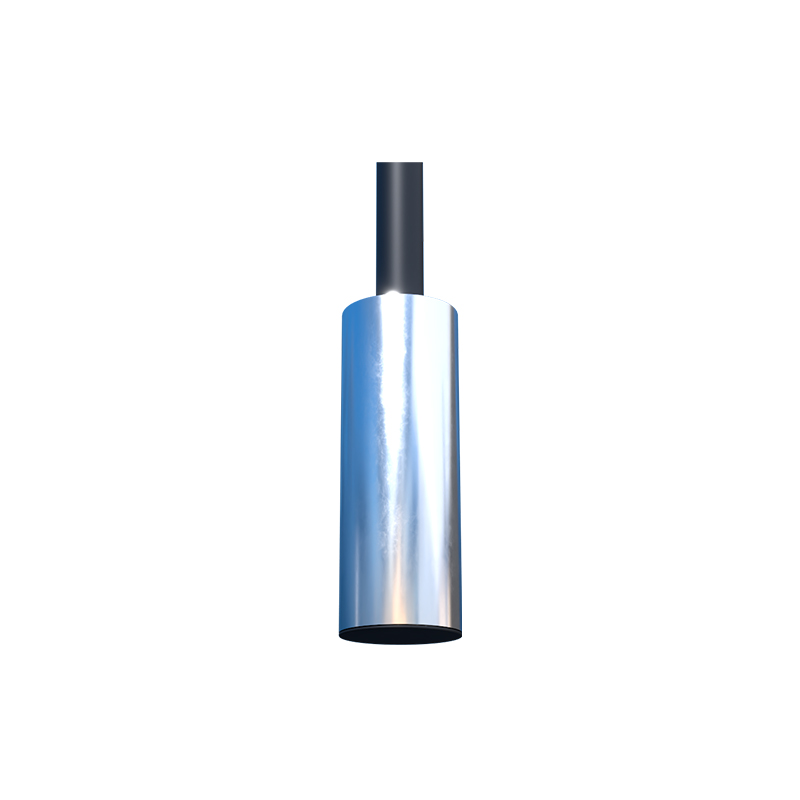
Sixth, Compact Size and Flexible Mounting Options enable integration into space-constrained machinery. Proximity sensors come in cylindrical (e.g., M8, M12, M18, M30) and rectangular form factors, allowing for flush or non-flush mounting. Their small footprint does not compromise sensing distance, and standardized housing designs simplify replacement and installation across different machine platforms and OEM equipment.
Finally, the seventh feature is Advanced Output and Connectivity Options. Beyond simple two-wire AC/DC or three-wire DC PNP/NPN switching outputs, modern sensors offer analog outputs (4-20 mA, 0-10V) for distance measurement, IO-Link for digital communication and parameterization, and even short-circuit and overload protection. Intelligent sensors with IO-Link can transmit diagnostic data like operating hours, temperature warnings, and signal strength, enabling predictive maintenance and seamless integration into Industry 4.0 and Industrial Internet of Things (IIoT) networks.
In summary, the combination of non-contact sensing, durability, speed, environmental toughness, material versatility, compact design, and smart connectivity defines the modern proximity sensor. These seven features collectively empower engineers to build more reliable, efficient, and adaptable automated systems, driving productivity and innovation across countless industrial sectors from material handling and robotics to food processing and beyond.