In the realm of industrial automation and control systems, the reliability and precision of sensing technology are paramount. Among the diverse array of sensors available, the M18 high-voltage proximity sensor stands out as a critical component for demanding applications. Characterized by its 18mm cylindrical threaded housing, this sensor type is engineered to detect the presence or absence of metallic objects without physical contact, operating reliably in environments where elevated voltage levels are a constant factor.
The fundamental operating principle of an M18 high-voltage proximity sensor is based on electromagnetic induction. The sensor generates an oscillating electromagnetic field from its face. When a conductive metal target enters this field, eddy currents are induced on the target's surface. This causes a change in the oscillation amplitude within the sensor's internal circuit, which is then processed to trigger a solid-state switching output. The "high-voltage" designation typically refers to models designed to interface directly with control circuits or actuators operating at common industrial voltages, such as 120VAC or 240VAC, without requiring an intermediate relay in many cases. This direct compatibility simplifies cabinet design, reduces component count, and enhances system reliability.
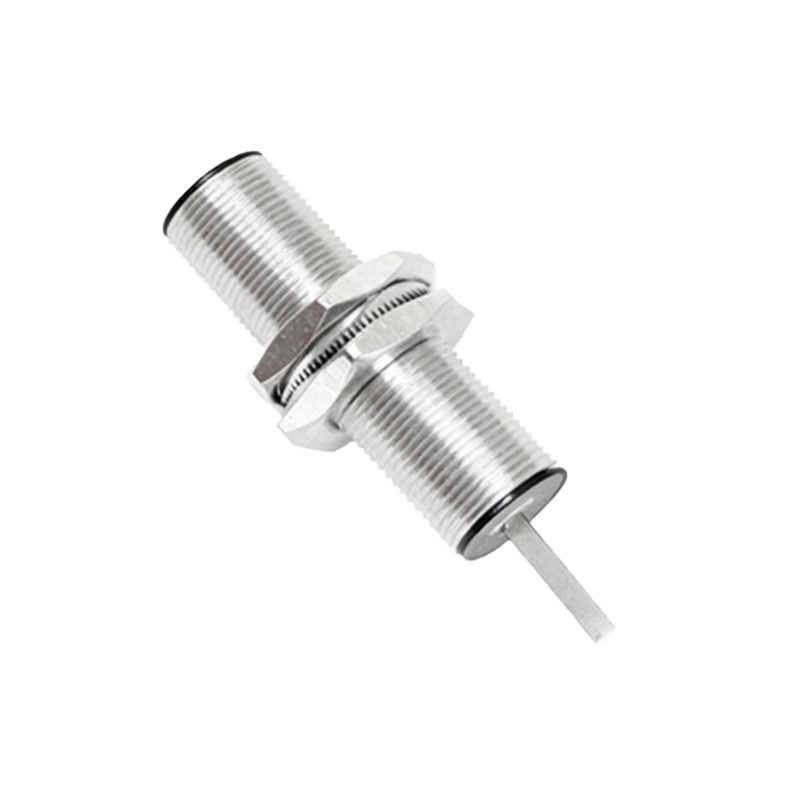
Key performance specifications define the utility of these sensors. Sensing distance, often standardized for M18 inductive models at 5mm, 8mm, or 10mm, is a crucial parameter. High-voltage variants maintain this reliable sensing range even when connected to higher supply voltages. The housing, usually constructed from nickel-plated brass or stainless steel, provides robust protection against mechanical impact, cutting fluids, coolants, and metallic chips commonly found in machining centers, stamping presses, and heavy machinery. Many models boast ingress protection ratings of IP67 or higher, ensuring functionality in wash-down environments or outdoor settings.
The application spectrum for M18 high-voltage proximity sensors is vast. They are indispensable in machine tools for tool positioning, spindle orientation, and part detection on automated lathes and milling machines. In material handling, they monitor the position of pallets, cranes, and conveyor systems. Within the packaging industry, they count products, detect fill levels, and control sorting gates. Their ability to withstand electrical noise and voltage spikes makes them particularly suitable for integration into motor control centers, heavy-duty welding equipment, and large industrial furnaces where electrical interference is prevalent.
Selecting the appropriate M18 high-voltage sensor requires careful consideration of several factors. First, the operating voltage must match the plant's control voltage—common options include 90-250VAC or specific DC ranges for certain models. The output configuration, typically PNP (sourcing) or NPN (sinking) for DC models, and normally open (NO) or normally closed (NC) contact logic, must align with the PLC or controller input card specifications. For AC high-voltage models, the output is often a solid-state switch. Environmental conditions dictate the required housing material and sealing; stainless steel is preferred for corrosive or extreme temperature settings. Additionally, factors like switching frequency, temperature tolerance, and the presence of built-in surge protection or status LEDs can influence the selection for optimal performance and longevity.
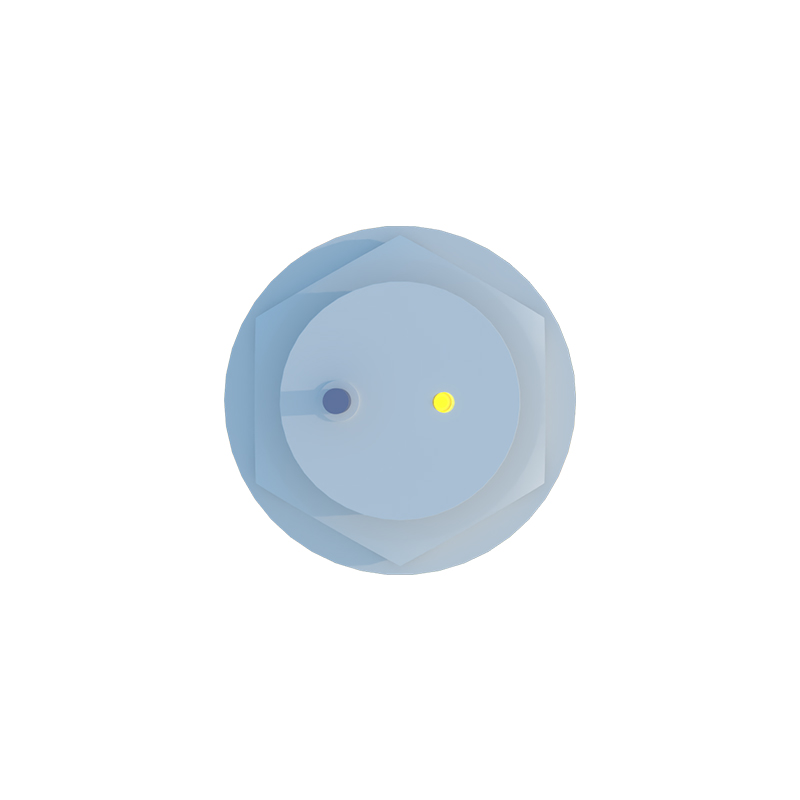
Installation and wiring practices significantly impact sensor performance and lifespan. Proper mounting is essential; sensors should be secured firmly using the integrated thread, ensuring the sensing face is parallel to the target and free from obstructions. Adequate clearance from surrounding metal structures (as per manufacturer guidelines) prevents false triggering. Electrical connections must be made meticulously, following the terminal designations for supply voltage, load, and ground. Using shielded cables in electrically noisy environments and ensuring proper grounding of both the sensor and the machinery chassis are critical steps to mitigate electromagnetic interference. Regular maintenance, including cleaning the sensing face of debris and checking for physical damage or loose connections, helps prevent unexpected downtime.
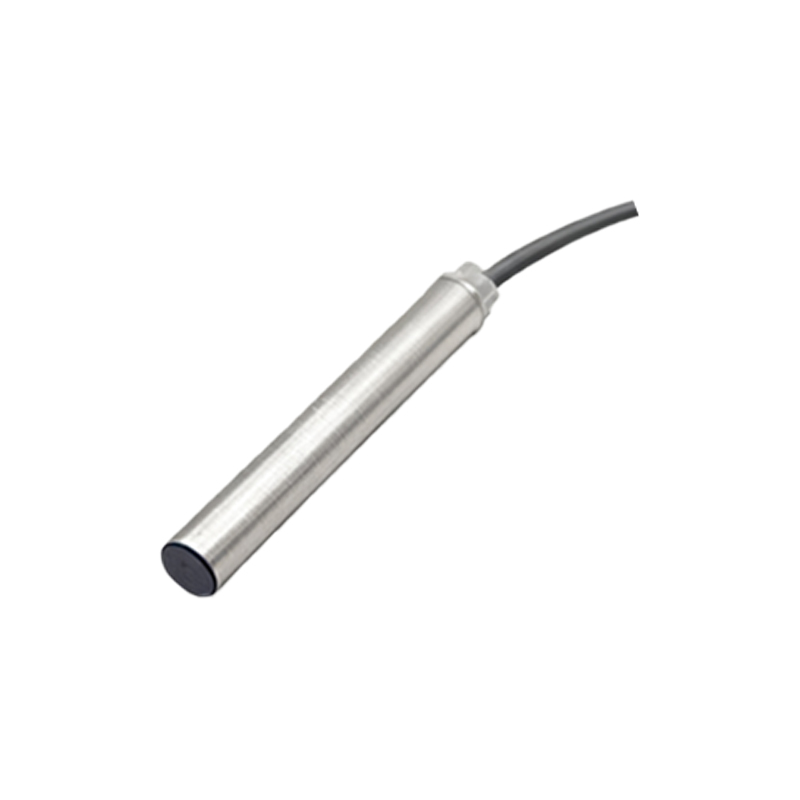
In conclusion, the M18 high-voltage proximity sensor is a workhorse of modern industrial automation. Its rugged design, direct compatibility with common industrial power supplies, and non-contact sensing capability make it a versatile and reliable solution for position detection, object counting, and limit switching in challenging electrical and physical environments. By understanding its operating principles, key specifications, and correct application practices, engineers and technicians can leverage this technology to build more robust, efficient, and fail-safe automated systems, thereby enhancing productivity and safety on the factory floor.