Proximity sensors are critical components in modern industrial automation, enabling non-contact detection of objects within a specified range without physical interaction. These devices are widely utilized across manufacturing, automotive, robotics, and material handling sectors to enhance efficiency, safety, and precision. Essentially, a proximity sensor detects the presence or absence of an object by emitting an electromagnetic field or a beam of radiation, then analyzing changes in the return signal. Common types include inductive, capacitive, ultrasonic, and photoelectric sensors, each suited to specific materials and environmental conditions.
Inductive proximity sensors, for instance, are ideal for detecting metallic objects. They operate by generating an oscillating electromagnetic field; when a metal object enters this field, it induces eddy currents, causing a change in oscillation amplitude that triggers detection. These sensors are robust, resistant to environmental factors like dust or moisture, and commonly used in machinery for position sensing or part counting. Capacitive sensors, on the other hand, can detect both metallic and non-metallic materials, including liquids and plastics, by measuring changes in capacitance. This makes them versatile for applications like level detection in tanks or presence sensing in packaging lines.
Ultrasonic proximity sensors use sound waves beyond human hearing to measure distance or detect objects. They emit high-frequency pulses and calculate the time taken for echoes to return, allowing precise measurement even in challenging environments with smoke or transparent materials. Photoelectric sensors rely on light beams, typically infrared, to sense objects. They can be configured in through-beam, retro-reflective, or diffuse modes, offering long-range detection and high accuracy for tasks such as conveyor belt monitoring or automated assembly.
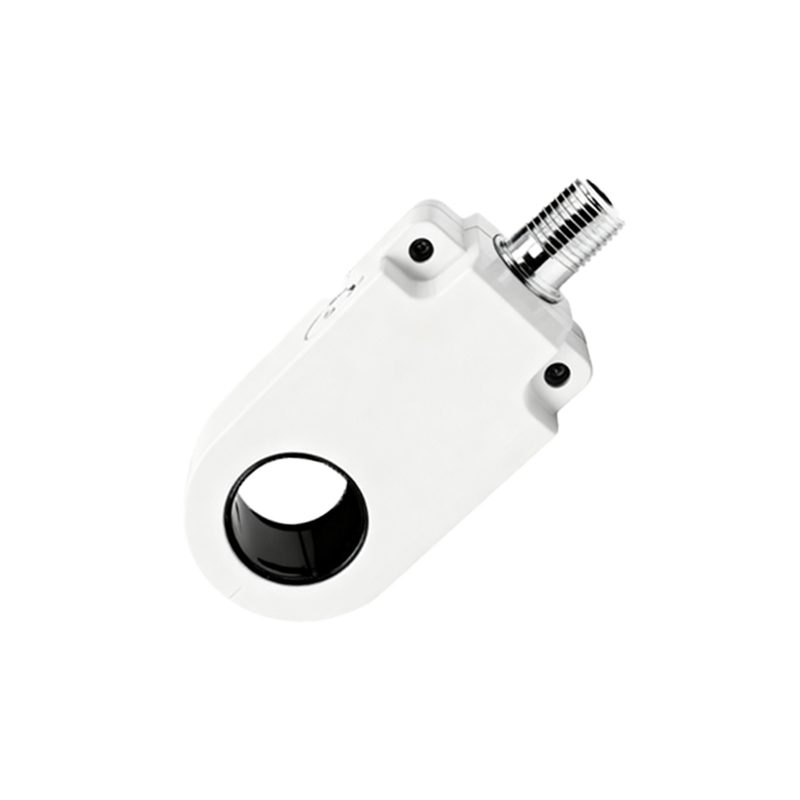
The selection of a proximity sensor depends on factors like target material, sensing distance, environmental conditions, and required output. Key specifications include sensing range, response time, and output type (e.g., digital or analog). In industrial settings, these sensors contribute to process optimization by reducing downtime, preventing collisions, and enabling automated control systems. For example, in automotive manufacturing, inductive sensors ensure precise positioning of components, while ultrasonic sensors assist in robotic navigation.
Advancements in technology have led to smarter proximity sensors with integrated diagnostics and connectivity features, supporting Industry 4.0 initiatives. These sensors can communicate data via protocols like IO-Link or Ethernet, facilitating predictive maintenance and real-time monitoring. When integrating proximity sensors, considerations such as mounting, alignment, and interference from other equipment are crucial to ensure reliable operation. Regular calibration and maintenance help sustain performance over time.
In summary, proximity sensors are indispensable tools in industrial automation, offering versatile and efficient solutions for object detection. Their ability to operate without physical contact minimizes wear and tear, extending equipment lifespan and improving safety. As industries evolve toward greater automation, the role of proximity sensors will continue to expand, driven by innovations in sensitivity, durability, and connectivity.